The Civil Society Organizations (CSOs) Budget Forum has questioned the 2024 budget allocation to the education and Agriculture sector describing it as dangerous.
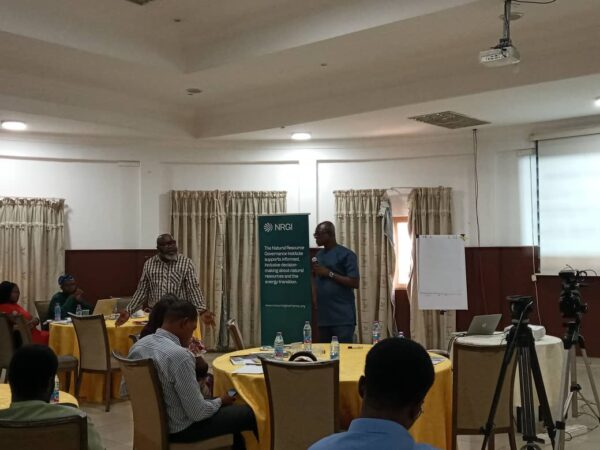
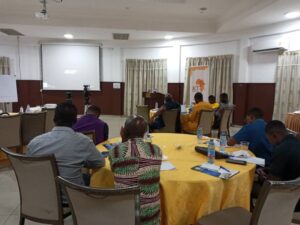
At a news conference in Accra on Tuesday (5 December) to review the yet-to-be-approved 2024 Budget, the group bemoaned that monetary allocations to the two key sectors are below International standards raising cause for alarm.
Ghana’s education sector took center stage in the CSOs’ budget analysis as they uncovered challenges in the sector.
Despite a commitment to allocate 28% of the national budget, only 14.5% was directed toward education in the 2024 budget statement falling below international benchmarks.
According to Kofi Asare, Executive Director of Eduwatch Africa, “The allocated GHC32.7 billion to education, adjusted for inflation, signals stagnation in progress, raising concerns about the sector’s financial resilience. A critical breakdown exposes that 68% of the total allocation is directed towards salaries, leaving only 30% for crucial capital expenditures, including infrastructure development,” he noted.
In the face of declining allocations for flagship programs like the Free Senior High School (SHS) initiative, concerns about addressing growing enrollment and food inflation persist. The Get Fund, vital for infrastructure financing, has seen a decline in effectiveness, with insufficient allocation to meet the sector’s pressing needs.
Highlighting the challenges, Asare said “The persistent gap between budgetary promises and allocations underscores the urgent need for a targeted financial commitment to elevate Ghana’s education system. Without decisive action, the sector risks falling short in providing quality education and essential infrastructure for future generations.”
Bismark Owusu Nortey, Head of Programmes for Peasant Farmers Association, also shed light on the state of the agricultural sector, emphasizing both positive trends and persistent challenges. Despite a growth projection of over 6% by the end of 2023, a significant increase from the 4.2% recorded in 2022, there are nuanced dynamics at play within the sector’s subsectors.
“The growth is primarily driven by the impressive performance of crops, specifically food crops such as maize and rice, which have surged to a notable 20%. However, livestock and fishing, while showing growth, underscore ongoing concerns and responsibilities in these industries.
“However, the intricacies of sectoral growth rates, reveal that in 2023, livestock experienced a commendable 5.3% growth, highlighting potential resilience amid challenges. On the other hand, the fishing subsector faced a dip of 15.8%, indicating areas that require attention for sustainable growth. This breakdown offers insights into the diverse factors influencing Ghana’s agricultural landscape.

Bismark Owusu raised questions about the sustainability of growth and the need for targeted interventions, especially in subsectors facing challenges. As Ghana grapples with complex dynamics in its agricultural sector, stakeholders are prompted to explore strategic measures to ensure a robust and resilient future for this critical component of the nation’s economy.
“In dissecting the growth trends within Ghana’s agricultural sector, we celebrate the strides made, particularly in food crops. However, the sector’s resilience is a delicate balance, with challenges persisting in livestock and fishing. This analysis underscores the need for targeted interventions and strategic planning to ensure sustainable growth and address the complexities within each subsector,” he added.
The CSO budget review forum was aimed at evaluating the 2024 budget against CSO inputs, particularly in areas like Macro-fiscals, Extractives, Social Spending, Agriculture, and Governance.
By Abigail Ibrahim