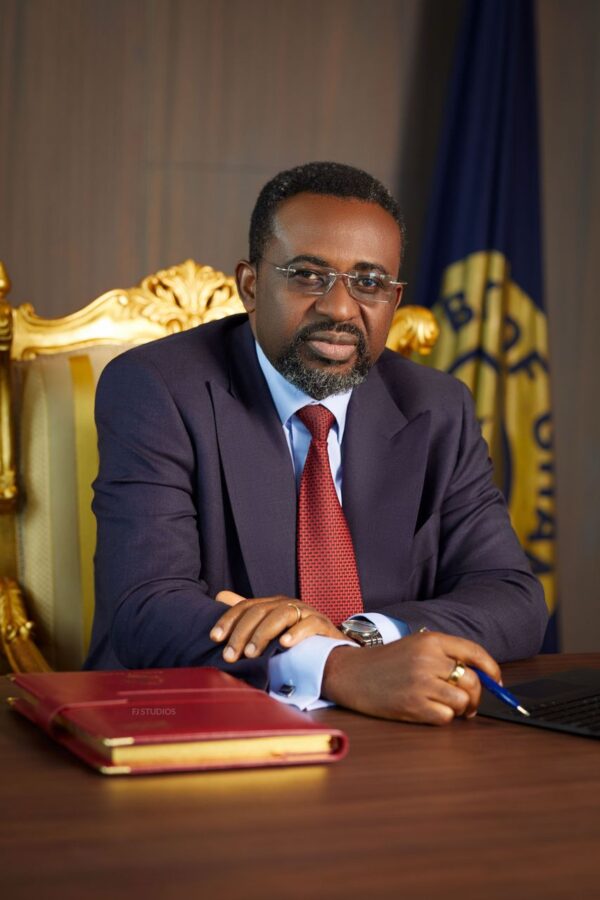
Dr Johnson Pandit Asiama
The Governor of the Bank of Ghana, Dr. Johnson Pandit Asiama, has called for a reset of Africa–U.S. trade relations, urging both sides to move beyond traditional models of aid and raw exports toward a partnership grounded in strategy, innovation, and shared value.
Delivering the keynote address at the African Leaders & Partners Forum in Washington, D.C., Dr. Asiama stated plainly that the current trade framework, though historically significant, is no longer sufficient. “This is not the time for nostalgia or business as usual. It’s time to reshape the Africa–U.S. partnership around long-term impact, not short-term transactions,” he said.
Dr. Asiama pointed to the limitations of AGOA, the U.S. trade law enacted in 2000, noting that while it opened access, African exports remain overly reliant on raw materials. “We cannot continue as suppliers of crude oil, cocoa, and minerals while importing finished goods. That model is outdated and unsustainable,” he stressed.
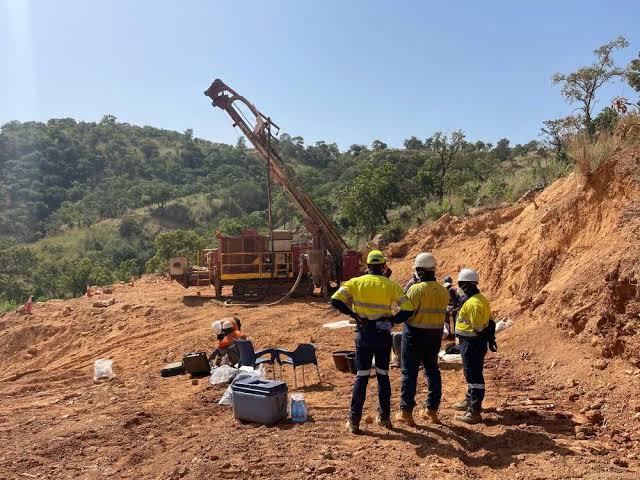
Using Ghana as an example, he highlighted progress in trade diversification and value addition. Ghana’s exports to the U.S. now include cocoa products, textiles, and processed goods. He cited companies like Kosmos Energy and Newmont as examples of productive U.S. partnerships in oil and mining, and praised Ghanaian firm Niche Cocoa’s expansion into the U.S. as a glimpse into the future Africa must aim for—where African firms operate on global value chains, not just at the margins.
The Governor laid out four key priorities to drive this new phase of engagement: macroeconomic stability, financial resilience, deeper trade integration, and inclusive digital transformation. “Africa needs to define its role in global trade not as a source of raw resources, but as a strategic production partner,” he said.
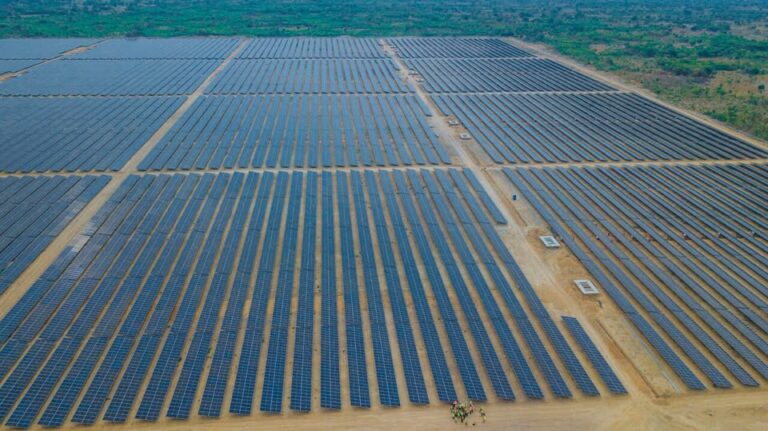
He emphasized the urgency of establishing U.S.–Africa Trade Finance Hubs to unlock investment for high-impact sectors like agriculture, energy infrastructure, and manufacturing. He also called for stronger cooperation in digital infrastructure, cybersecurity, and cross-border payment systems.
“Stability is only the starting point. We need bold reforms, new tools, and credible partnerships. Africa is not asking for favors—we are proposing a shared agenda for mutual growth,” he concluded.
Dr. Asiama urged the U.S. to modernize AGOA to reflect Africa’s evolving ambitions, invest in trade-enabling infrastructure, and support the continent’s digital and green transitions. “Let’s move from extractive trade to transformational collaboration. The time is now.”