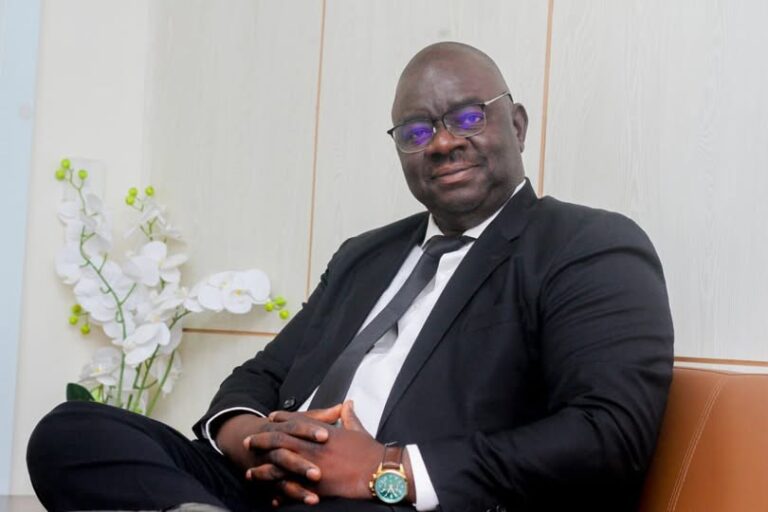
The Concerned Citizens of Atewa Landscape (CCAL) has commended Rev. Steve Mensah for his bold and uncompromising call for decisive national action against illegal mining (galamsey), describing his message as a reflection of the fear and distress experienced by communities whose rivers, forests, and livelihoods are being destroyed daily.
In a statement, the group said the destructive spread of galamsey had pushed Ghana’s water systems into a national crisis, with several treatment plants struggling—or shutting down—because raw water has become too polluted to process safely.
CCAL highlighted the alarming situation within the Atewa Forest landscape, where the Kibi water-treatment plant has been shut down for nearly five months. The closure has left thousands of residents without reliable access to clean water, forcing many to depend on unsafe sources or resort to expensive alternatives.
“This is not an isolated case. It is a national warning sign,” the group said, noting the widespread pollution of rivers with silt, chemicals, and mining waste.
Rev. Mensah recently argued that Ghana now requires armoured vehicles, trained military personnel, and full security force deployment to confront galamsey.
He warned that illegal mining had evolved far beyond a traditional environmental issue and now posed a direct threat to the nation’s survival.
The group declared its full support for Rev. Mensah’s recommendations and reiterated its longstanding call for the government to declare a State of Environmental Emergency.
According to CCAL, only an emergency framework can mobilize the Ghana Armed Forces, Police Service, Immigration Service, Fire Service, Forestry Commission Rapid Response Teams, NADMO, and intelligence agencies to fight the menace effectively.
CCAL also appealed to pastors, imams, chiefs, queen mothers, traditional councils, youth groups, and community leaders to use their platforms to educate and mobilize their members.
“The land is a sacred trust, and protecting it is a moral and cultural duty,” the statement emphasized.
CCAL reaffirmed its commitment to partnering with churches, mosques, traditional authorities, civil society organisations, and government agencies in defending the Atewa Forest and other landscapes under threat.
“This is the time to rise. To speak. To act. To save our land before it is beyond restoration,” the group urged.
I