Dr Patrick Asuming, an economist with the University of Ghana Business School (UGBS) has suggested to the government to reintroduce the luxury introduce a raft of new taxes including the
The economist is optimistic government could rake in more revenue from the tax, if it finetunes the luxury vehicle tax to address the teething challenges that led to its suspension in August 2019.
“We really need to have a general discussion about how we raise more progressive taxes, so it was quiet disappointing that when we introduced the luxury vehicle tax, for no clear explanation, it was taken back,” Asuming said on the Asaase Breakfast Show on Wednesday (7 September)
“Of course, there were difficulties in terms of what type of vehicle was defined as luxury vehicle, but you know that means you have to fix it, in every country, when you pass a law at times, as the law is being implemented you try to see some challenge e and so you make refinement to address the challenge, he told host Kwaku Nhyira-Addo.
Asuming added “Not that because of that you throw the whole tax away, even if not specifically the luxury vehicle tax, there has to be additional tax measures to make sure people are paying more.”
Listen to Dr Patrick Asuming in the attached audio:Audio Player
About the luxury vehicle tax
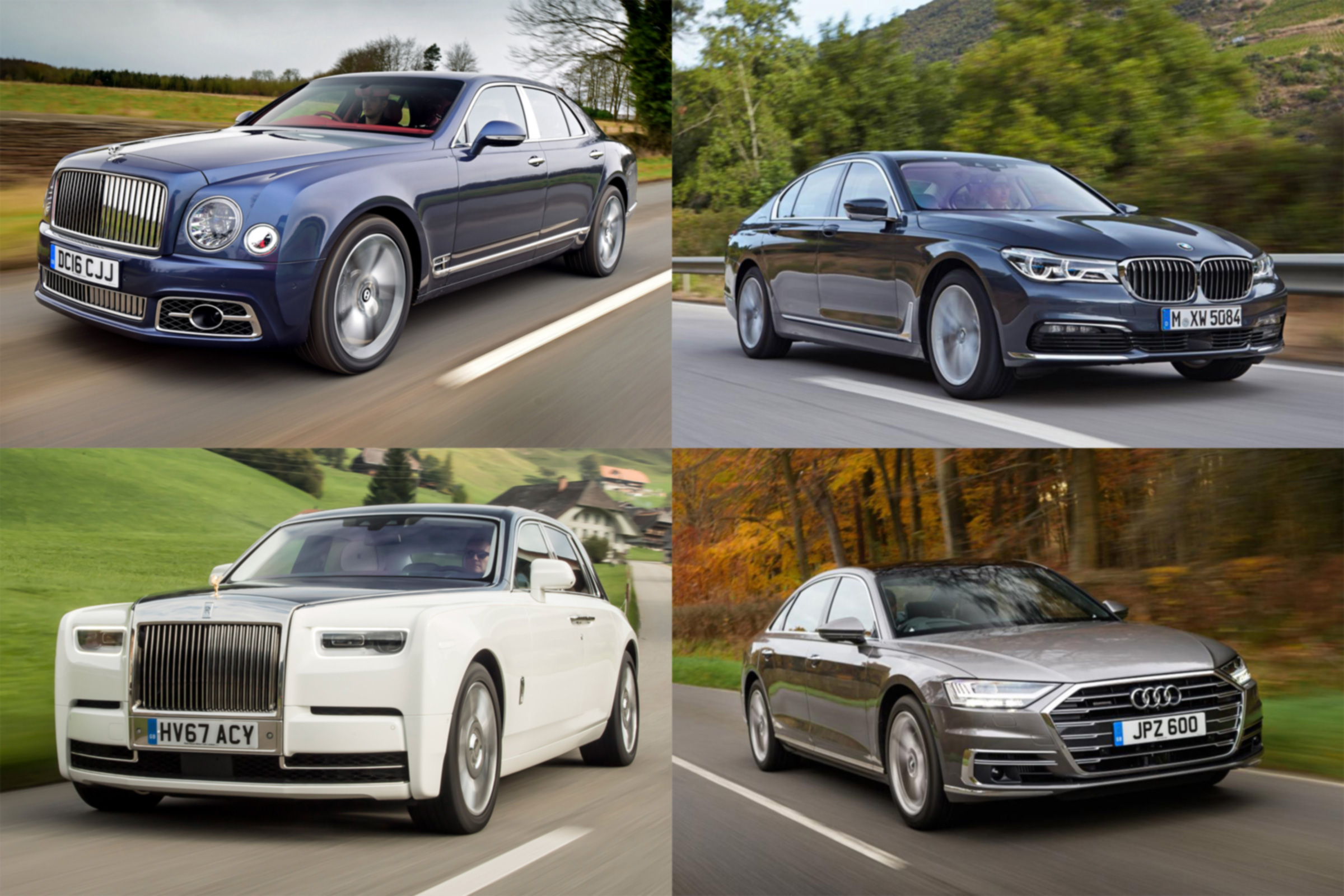
The luxury vehicle tax was introduced by the government in August 2018 as a new policy to help raise more revenue but was subsequently scrapped in 2019.
Vehicles with engine capacity of 2950 to 3549 Cubic Centimetres are required to pay US $193.78 (GHC1,000) while those with engines between 3,550 to 4049 cubic centimetres pay $290.68 (GHC 1,500).
Vehicles with engine capacities above 4049cc are to pay US $387.57 (GHC 2,000).
The tax also affects vehicles of the listed capacities existing prior to the passage of the law.
Exempted from the levy are tractors, ambulances, commercial vehicles that have the capacity to transport more than 10 persons and commercial vehicles for the transport of goods.
Fred Dzakpata