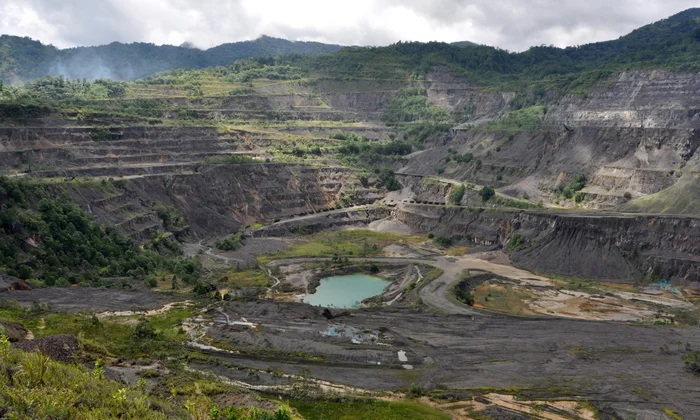
Gold Fields Ghana Limited has cited more than US$5 billion in investments in the Tarkwa mine and US$3.3 billion in payments to the Government of Ghana as it makes its case for the renewal of the mine’s leases.
The company says its continued operation of the mine could sustain thousands of jobs, local procurement and government revenue, while requiring significant new investment to extend its operating life.
In a statement issued on Tuesday (November 17), Gold Fields said it submitted its application for the renewal of the Tarkwa mining leases in November 2025, following a request from the Government of Ghana.
It said the application was being processed in accordance with Ghanaian law and that it remained committed to engaging with the relevant government agencies.
Making a case for its continued involvement in Tarkwa, the company traced its entry into the mine to the early 1990s, when the Government invited mining companies to invest in the country’s gold sector.
According to Gold Fields, Tarkwa was then a loss-making underground mine operated by the State Gold Mining Corporation, producing approximately 12,000 ounces of gold annually and approaching closure.
The company said the Government named it the preferred investor in 1992, following which both parties signed a project development agreement.
It said it paid US$3 million under the agreement and subsequently invested US$50 million in exploration from 1993, which identified the open-pit resource that underpins the current operation.
The Government granted five mining leases in 1997 to enable the development of the open-pit mine, while Gold Fields said it separately paid US$8 million for assets transferred from the former underground operation.
The company said its total investment in building and sustaining the Tarkwa mine had since exceeded US$5 billion, covering the development of open pits, processing facilities and supporting infrastructure.
On the mine’s economic contribution, Gold Fields said it had paid US$3.3 billion to the Government in royalties, corporate taxes and dividends.
It also reported spending more than US$4.6 billion with local suppliers over the past five years, naming Engineers & Planners, Zen Petroleum, Genser Energy and Western Transport Services among businesses that had benefited from its procurement activities.
The mine, according to the company, supports a workforce of more than 5,000 people, comprising employees and contractors, while the Gold Fields Ghana Foundation has invested more than US$114 million in community projects.
Gold Fields Ghana Managing Director Elliot Twum said the company had invested in exploration, established the mine’s resource base and developed a large-scale operation that had generated value for Ghana over several decades.
He said Gold Fields respected the Government’s lease-renewal process and the views of host communities but remained prepared to invest in the mine’s next phase, subject to the outcome of the process.
The company said further investment would be required in waste stripping, tailings capacity, the mining fleet and the processing plant to extend the mine’s operating life.
It argued that its technical expertise, experience operating the mine, access to financing and environmental management standards positioned it to undertake the required investment.
On community concerns surrounding the mine, Gold Fields acknowledged issues raised in recent weeks and pledged to continue engaging traditional authorities, municipal assemblies and community representatives.
It also said mining benefits reached host communities through both direct investments by mining companies and the Government’s allocation of public revenue from taxes and royalties.
The company expressed appreciation for support from some traditional leaders and civil society representatives, including those associated with the “Gold Fields must stay” campaign.