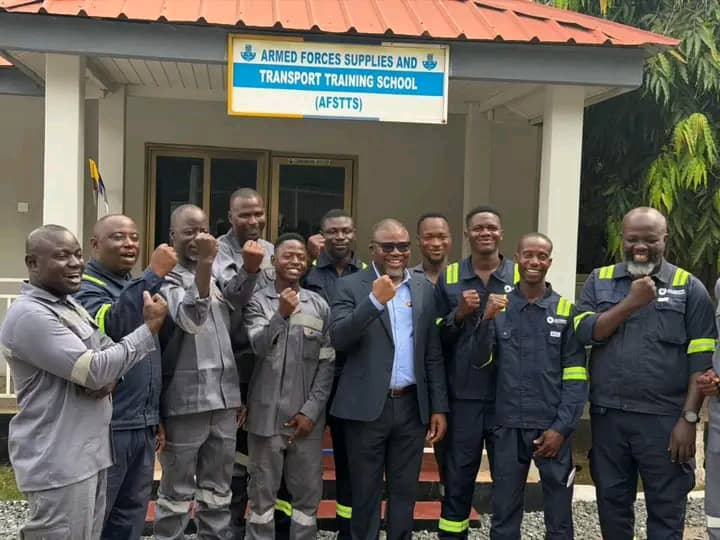
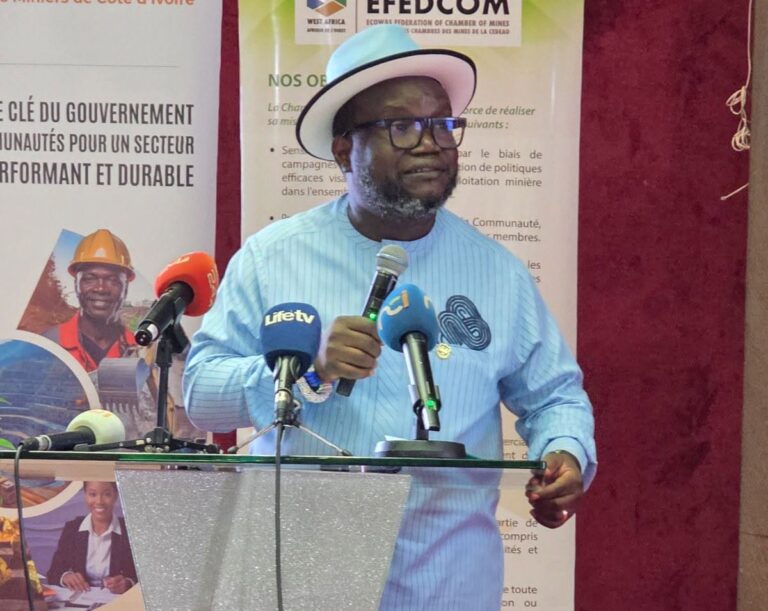
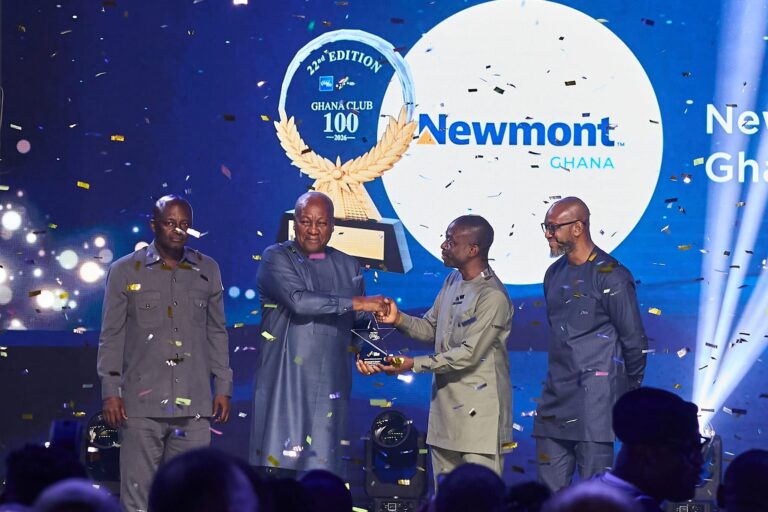
Godwin Edudzi Kudzo Tameklo (middle)
Acting Chief Executive Officer of the National Petroleum Authority (NPA), Godwin Edudzi Tameklo, has revealed that a looming industry crisis was narrowly averted following last-minute consultations over the implementation of the Energy Sector Shortfall and Debt Repayment Levy (ESSDRL).
The levy, initially set to take effect on Monday, June 9, will now be implemented a week later, on June 16, 2025.
Speaking on TV3’s New Day programme on Monday morning, Tameklo credited the timely intervention of key stakeholders — including the Finance Minister Dr. Mohammed Amin Adam, the Commissioner-General of the Ghana Revenue Authority (GRA), and the leadership of the Chamber of Oil Marketing Companies (COMAC) — for reaching a consensus that prevented what could have been a major fuel supply disruption nationwide.
“There was almost a problem,” Tameklo said. “Thanks to the intervention of Dr. Riverson Oppong [CEO of COMAC] and Chairman Kumi of COMAC, along with the Finance Minister and the GRA Commissioner, we were able to agree on a roadmap.”
The levy — a GHS1 charge per litre of petroleum product — forms part of government’s broader strategy to address the mounting energy sector debts. However, its sudden implementation sparked strong pushback from oil marketing companies (OMCs), who expressed concern about the financial strain and operational disruptions it would cause.
According to Tameklo, OMCs flagged the short notice as a key issue. “They buy fuel in bulk and post bonds upfront to assure government that taxes and levies will be paid. A sudden implementation of a new levy disrupts this process significantly,” he explained.
OMCs warned that if the levy had gone into effect as originally scheduled, fuel lifting would have been hampered, potentially leading to shortages across the country. Tameklo admitted the complaints were “legitimate,” and said that the government had to quickly “scale back” in order to give the industry time to adjust.
COMAC, in a separate press release issued the same day, confirmed their support for the new date after what it described as “constructive engagements.” Tameklo welcomed this cooperation and praised COMAC for its “magnanimity” in helping to avoid a nationwide fuel supply challenge.
Reflecting on the rushed process, Tameklo conceded that the decision to implement the levy with little notice stemmed from a difficult balancing act. “Government was forced to choose between the devil and the deep blue sea,” he said. “But in the end, we’ve all learned important lessons.”
He added that this experience underscores the importance of stakeholder engagement and transparency, especially when implementing fiscal measures with wide-ranging economic impact.
As the new implementation date approaches, Tameklo expressed confidence that the NPA, GRA, and OMCs will be ready. “This gives us breathing space to put all the necessary structures in place,” he said, adding that the NPA is committed to a smooth rollout that avoids future disruptions.