Emmanuel Armah-Kofi Buah
In a major policy shift aimed at overhauling Ghana’s artisanal and small-scale mining (ASM) sector, the government has approved the implementation of a new nationwide initiative — the Responsible Cooperative Mining and Skills Development Programme (rCOMSDEP).
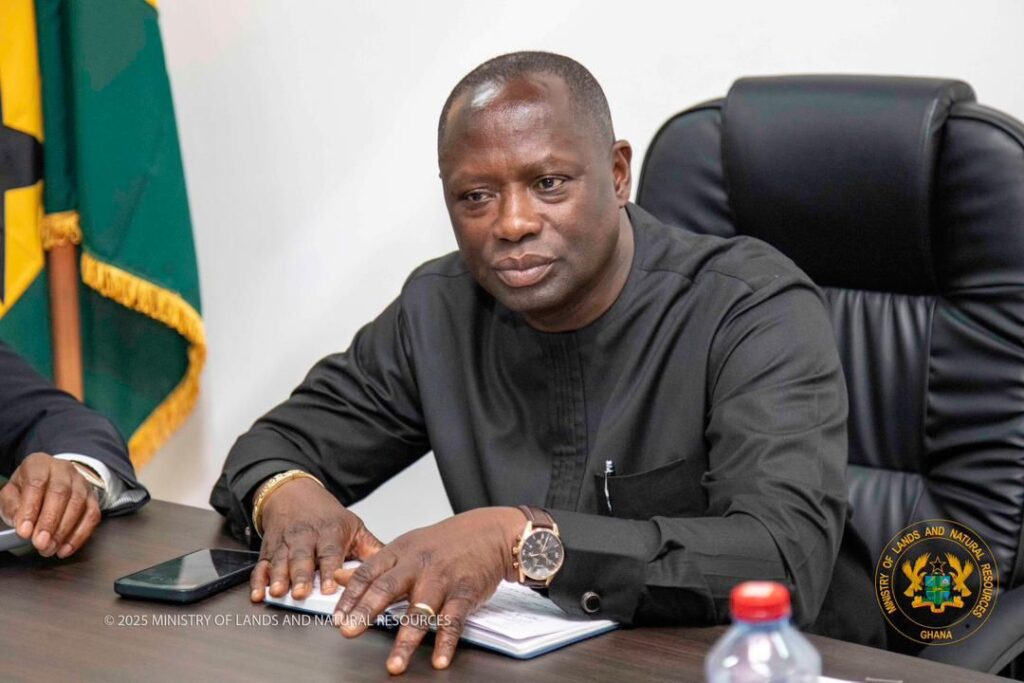
The programme, which has received Cabinet approval, is being spearheaded by the Ministry of Lands and Natural Resources in line with President John Dramani Mahama’s vision to create sustainable employment through responsible community-based mining.
rCOMSDEP merges and builds on the lessons from two existing interventions — the Community Mining Scheme (CMS) and the National Alternative Employment and Livelihood Programme (NAELP) — addressing their limitations through better coordination, improved implementation, and more efficient resource use.
The newly unveiled initiative will serve as Ghana’s flagship framework for transforming ASM into an engine for local economic development, environmental stewardship, and inclusive job creation. Central to the programme is the formation of locally owned cooperative mining enterprises that will operate under legal concessions and have access to shared, modern processing centres. These centres will employ mercury-free recovery technologies and water treatment systems to improve gold recovery and eliminate hazardous environmental practices.
According to the Ministry, rCOMSDEP is structured around six strategic pillars aimed at enhancing not only the sustainability of mining operations but also the overall quality of life in host communities. These pillars include cooperative mining, mine support services, skills training, environmental rehabilitation, agricultural value chain development, and community infrastructure provision.
“This is a transformative programme that will ensure artisanal mining is done the right way — safely, legally, and with lasting benefits for our people and our environment,” a ministry source noted.
The programme’s skills development component is particularly key, offering vocational, technical, digital, agricultural, and entrepreneurial training to youth and women in mining communities. This will enable thousands of Ghanaians to either participate in regulated mining or transition into alternative livelihoods, supported by certified training and startup support.
Also central to rCOMSDEP is a strong focus on land restoration and environmental recovery. Lands previously degraded by illegal mining will be rehabilitated and converted for productive use in agriculture, forestry, and biodiversity conservation — creating “green jobs” and restoring ecosystems.
In partnership with the Ministry of Food and Agriculture, rCOMSDEP will support the establishment of farming cooperatives and agro-processing units in mining zones, diversifying local economies and boosting food security.
Revenues generated from the cooperative mining enterprises will also be reinvested into essential community infrastructure, including potable water systems, clinics, schools, and renewable energy projects, ensuring that mining directly contributes to local development.
The Ministry of Lands and Natural Resources has called on all stakeholders — including chiefs, youth groups, civil society, and private sector actors — to rally behind rCOMSDEP and contribute to the collective effort to reform Ghana’s ASM sector.
“As we roll out rCOMSDEP, we are not just mining gold — we are investing in people, restoring our land, and building a new future for mining communities,” the ministry emphasized.