A visit by Bill Gates to Chile’s most iconic mine has riled up politicians, intensifying a debate about the future of the state-owned copper giant, Codelco, as the government weighs a greater role for private capital.
The billionaire’s tour of Chuquicamata in early November was made with little fanfare, but it hit on a flashpoint in Chilean politics: The question of who should control the state’s vast copper holdings as slowing production leaves the economy in the grips of a recession.
While there’s no public evidence Gates was negotiating an investment, within days of his visit becoming public, opposition lawmakers formally asked Codelco to disclose how the trip was authorized, who participated, whether confidentiality agreements were signed and whether investment, partnerships or the search for private-sector partners were discussed.
Codelco has yet to respond. There was also no immediate response to requests for comment from Gates’s venture capital firm or his foundation.
Gates’s ties to the mining industry through the investment firm Breakthrough Energy Ventures, coupled with growing rumblings that President José Antonio Kast’s pro-free-market administration wants to bring private capital into Codelco, were enough to fuel suspicions that there may have been more to the visit.
“We are concerned about safeguarding public assets and understanding the circumstances under which this visit took place,” opposition representative Valentina Cáceres said in a message. “Codelco belongs to all Chileans, and we have a right to know who authorized the tour, who participated and what topics were discussed.”
The Microsoft Corp. cofounder landed amid an ongoing private-capital debate around Codelco. On the left, many see echoes of the sweeping privatizations carried out under Augusto Pinochet’s dictatorship and warn of an erosion of state control over the copper assets nationalized in 1971; while some on the right argue the struggling state enterprise bolsters the case for greater private-sector involvement.
That debate intensified last week when Finance Minister Jorge Quiroz left open the possibility of private investors eventually taking a minority interest in Codelco, while stressing that now isn’t the time.
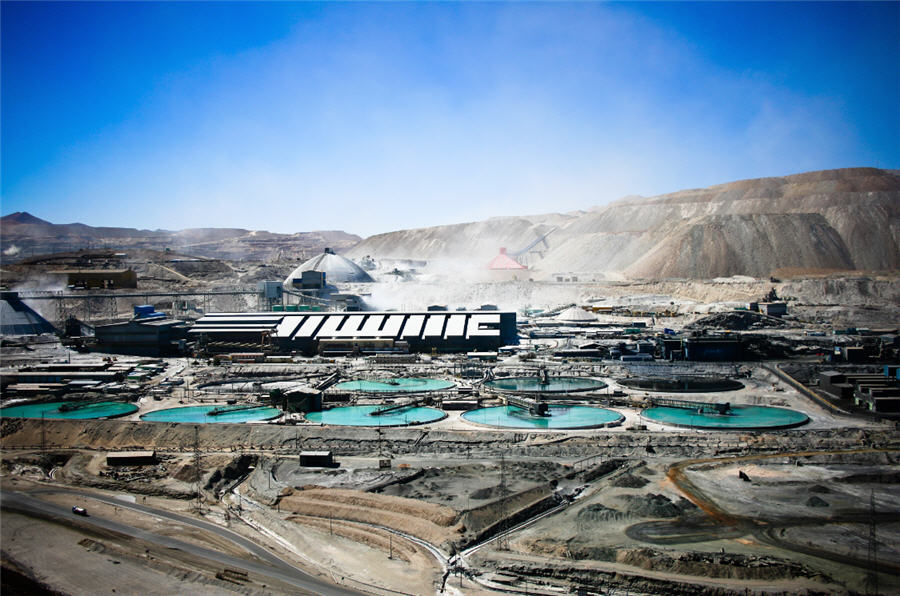
Days later, Economy and Mining Minister Daniel Mas said the country was weighing changing the law to allow private companies to participate in some Codelco deposits or team up on infrastructure and processing facilities.
The sequence helps explain how a seemingly routine mine tour became politically charged. The Socialist Party, unions and opposition lawmakers accuse Kast’s administration of exaggerating Codelco’s woes to undermine public confidence and prepare the ground for asset sales or greater private participation — allegations the government and company leadership reject.
The Copper Workers Federation has warned against “privatizing the company piece by piece.”
But some on the right argue years of falling production, record debt, delayed projects and, most recently, an accounting scandal involving overstated output have strengthened the case for greater private-sector involvement and tougher financial discipline. Government officials have floated selling non-core assets and expanding partnerships with private miners while insisting Codelco itself will remain state-owned.
Mining consultant Juan Ignacio Guzmán cautions against reading too much into the political signals, describing the fallout from Gates’s visit as “just a whole lot of flashing lights.”
“There are voices calling for privatization, but not within the government or the current management,” Guzmán said.
Codelco Chairman Bernardo Fontaine has sought to draw a similar distinction. He’s repeatedly denied any plan to privatize the company while arguing that partnerships with private companies are essential to developing Codelco’s enormous mineral holdings and restoring output given its financial constraints.
Gates’s tour may prove to have been just a private visit. But the reaction shows how each new development around Codelco is being filtered through a much older Chilean argument over who should control the country’s copper.
(By James Attwood)