The Concerned Citizens of Atewa Landscape (CCAL) has marked this year’s World Forest Day with a strong warning over what it describes as an escalating environmental crisis threatening the Atewa Forest, a key ecological asset in Ghana.
According to the group, the Atewa Forest serves as a critical carbon sink that contributes to global climate regulation and acts as a major water tower, supplying clean water to more than five million Ghanaians, particularly residents in Accra.
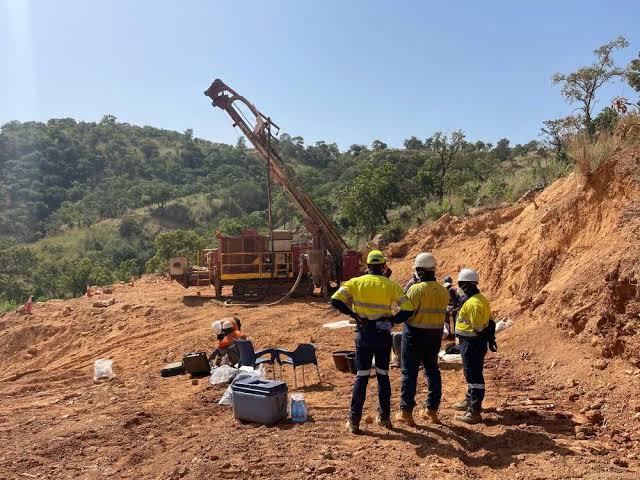
However, CCAL says the forest is now facing severe pressure from illegal mining activities, raising concerns about long-term environmental damage.
The group recalled a historic six-day, 95-kilometre protest march it undertook from March 17 to 22, 2018, from Kyebi to the Flagstaff House in Accra. During the march, participants carried polluted water from rivers such as the Birem, Ayensu, and Densu to highlight the impact of illegal mining on water bodies and to warn against further degradation of the Atewa landscape.
CCAL noted that the concerns raised during the 2018 demonstration have since worsened. It reports that illegal mining has intensified and expanded into the Atewa Range Forest Reserve, leading to increased turbidity levels in major rivers, including the Birem, Densu, and Ayensu.
The situation has reportedly disrupted water supply in several communities. CCAL indicated that the Ghana Water Company Limited has been forced to shut down operations in some affected areas, resulting in prolonged water shortages for residents in Kibi, Osino, and nearby communities for close to nine months.
The group further expressed concern about the capacity of state institutions to address the issue. It cited indications from the Forest Service Division that enforcement agencies are overwhelmed, suggesting that the scale of illegal mining requires broader national intervention.
In response, CCAL is calling on the Government of Ghana to take urgent measures, including declaring a state of environmental emergency and deploying security agencies to halt illegal mining activities within the Atewa landscape and forest reserve.
Additional recommendations include reclaiming degraded lands, securing water bodies, and establishing a regulated framework for mining activities involving the Minerals Commission, Environmental Protection Agency, and Water Resources Commission in collaboration with local authorities.
The group also urged the Chief Justice to empower district courts to more effectively handle illegal mining cases amid what it describes as an environmental emergency.
CCAL stressed that the Atewa Forest remains vital to Ghana’s environmental sustainability and water security, warning that immediate and coordinated action is needed to safeguard the resource.