A traditional leader in the South Tongu District of the Volta Region has raised the alarm over ongoing environmental destruction and disregard for community rights linked to a large-scale oil palm development on local lands.
Torgbe Lugu Awadali IV of the Anyigbe Clan reports that businessman Ibrahim Mahama has forcibly entered community lands near the Avu Lagoon to commence a monocultural oil palm plantation.
The development, he says, is being carried out without community consent and against the interests of local landowners and residents. Despite formal communications to Mr. Mahama raising concerns about the impact on farming lands and critical wetlands, the activities have continued unabated.
The lands in question include vital wetlands and farmland that local people rely on for livelihoods and lie in close proximity to the core management area of the Keta Lagoon Ramsar Site. While the site is internationally recognised for its ecological value, the chief stresses that the immediate concern is the protection of lands and waters essential to local communities.
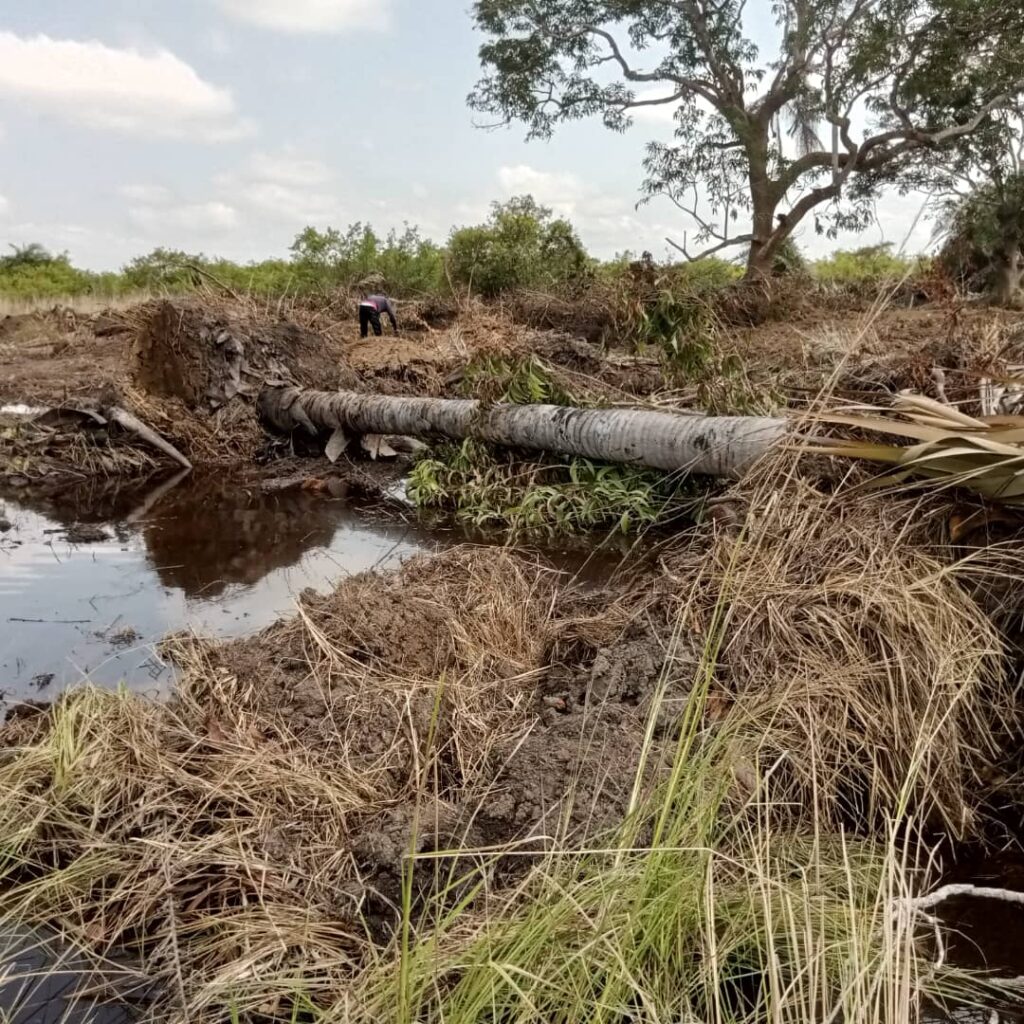
Heavy machinery has already cleared parts of the area, causing visible damage to the wetlands and farming landscape. Torgbe Lugu Awadali IV warns that the ongoing operations could have serious consequences for local water quality, soil integrity, and food security.
Describing the situation as a violation of community stewardship and local rights, the chief is calling on environmental authorities, relevant agencies, and civil society groups to intervene urgently. He emphasises that coordinated action is needed to prevent further destruction and to ensure that development in the area respects both the environment and the rights of local landowners.
The traditional leadership stresses that the Avu–Keta wetlands are not only environmentally significant but also culturally and economically critical to surrounding communities.
Without immediate intervention, the ongoing palm development threatens both the livelihoods of local residents and the sustainability of these important wetlands.