Dr Frank Boateng
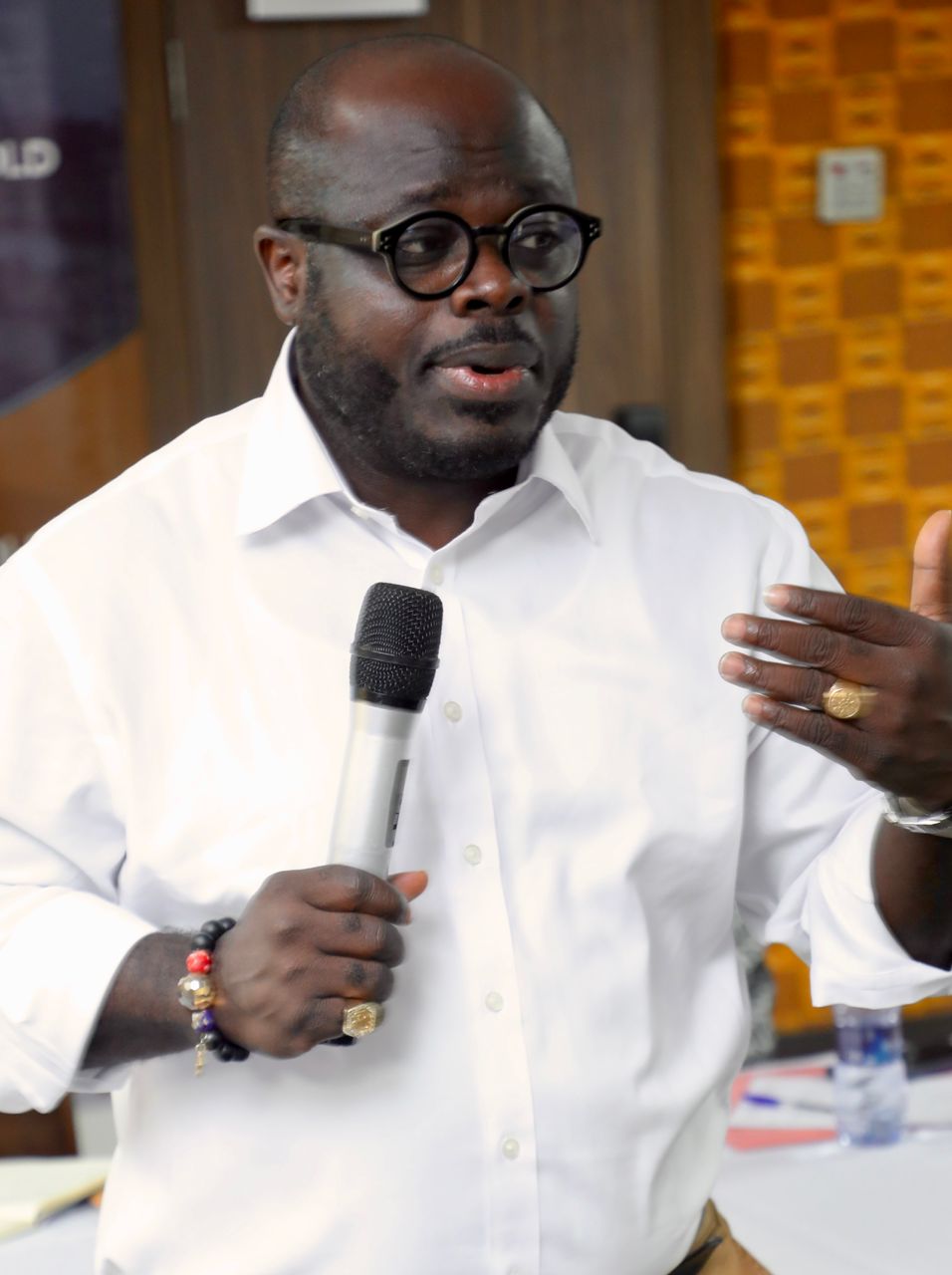
Dr. Frank Boateng, a lecturer at the University of Mines and Technology (UMaT), Tarkwa, in his inaugural Imani Fellowship Lecture on “Demystifying the Illegal Mining Conundrum with Existing State Structures,” shed light on the underlying factors sustaining illegal mining, commonly known as galamsey, in Ghana.
At the heart of the issue, he argued, is the widespread “get-rich-quick” mindset that has lured thousands of young people into unregulated mining, often at the expense of long-term economic stability and environmental preservation.
Boateng emphasized that while many involved in galamsey have alternative means of making a living, they are drawn to illegal mining because it promises fast cash with minimal effort.
Unlike traditional employment or entrepreneurship, which require time and investment, galamsey appears to offer an immediate financial escape—an illusion that fuels reckless mining practices and environmental destruction.
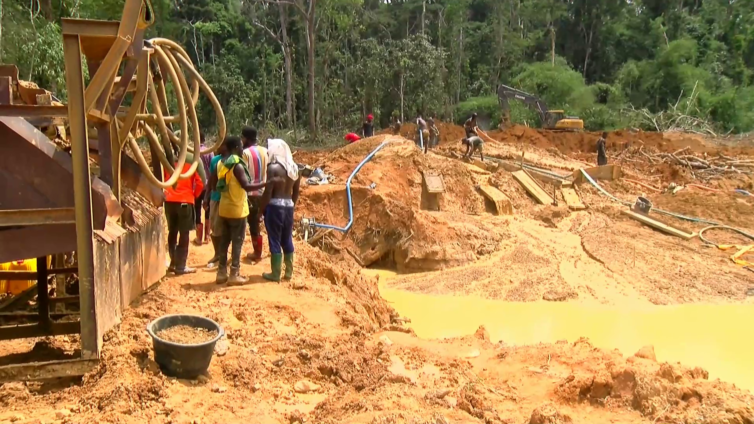
This relentless pursuit of wealth has led to the devastation of Ghana’s natural resources, with rivers like the Pra turning toxic and landscapes scarred by abandoned mining pits. The unchecked activities of these miners have created entire underground economies, drawing in laborers, machine operators, haulers, and even sex workers, all feeding off the promise of gold.
The consequences, however, are severe. Many miners operate with no regard for safety, leading to frequent fatalities as unstable pits collapse. Even children are caught up in the trade, exposing them to hazardous working conditions and robbing them of their futures.
Beyond the individuals involved, Boateng pointed to systemic factors that perpetuate galamsey, including political interference. Many illegal mining operations are backed by political figures who rely on mining wealth to finance campaigns. This patronage network makes it difficult for the government to enforce anti-galamsey policies without alienating key allies.
A lack of reliable geological information further compounds the problem. Many miners rely on crude metal detectors to locate gold, leading to indiscriminate digging and land degradation. Without proper geological surveys and access to centralized data at the district level, miners resort to trial-and-error excavation, leaving behind a wasteland of abandoned, unfilled pits.
The bureaucratic hurdles surrounding mining licenses also push many into illegal operations. Boateng highlighted how miners from remote areas like Sandema must travel to Accra just to apply for a permit—a lengthy, inefficient process that deters compliance. Faced with long delays, many simply take matters into their own hands and mine illegally.
To curb the galamsey menace, Boateng advocated for a radical shift in policy. Formalizing small-scale mining through streamlined licensing, decentralized geological data, and alternative job opportunities could provide a sustainable solution.