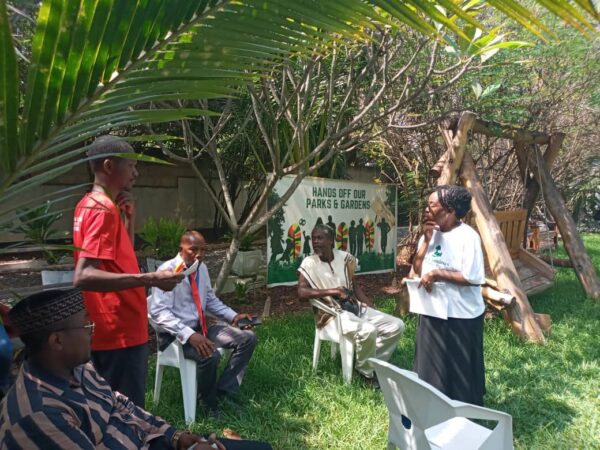
The Eco Conscious Citizens on Thursday officially launched ITS Green Manifesto focused on safeguarding the environment.
The key focal points outlined in the manifesto included a call for the repeal of certain regulations, particularly E.I 144 and L.I 2462, within the first six months of the upcoming administration, a ban on single-plastic use and a pause in community mining activities.
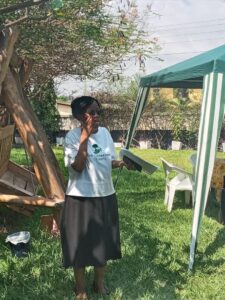
Addressing the issues highlighted in the Manifesto at the official launch on Thursday (January 11, 2024), Coordinator for Eco Conscious Citizens, Awula Serwah, highlighted the detrimental effects of community mining on various regions, with a plea to pause such activities, underscoring the necessity to enshrine the right of communities to reject mining in their localities.
While not opposed to mining in principle, the emphasis was on adopting a practical perspective, ensuring that licensed mining companies are closely monitored to prevent illegal activities near water bodies.
According to her, “As a result of illegal mining, the water has been severely contaminated, prompting the water company to allocate increasing funds for water treatment.
“The situation escalated to the point where water supply to certain areas had to be halted in the Ashanti Region due to machinery damage caused by debris. Despite clear signs of impending crisis, there appears to be a collective indifference.”
“I keep on saying that until Ghanaians become angry enough to say that enough is enough, I’m not going to sit there if the authorities can’t be bothered. I am bothered for myself and for my children. Things are not going to change. Today is Ashanti. We’re not bothered. We’ll be bothered when we turn on the tap and there’s either no water or brown liquid comes out. Then it might be too late,” she said.
She also addressed the global concern of single-use plastics, advocating for an outright ban within a specific timeframe. Drawing inspiration from African nations like Kenya, Malawi, Rwanda, Tanzania, and Botswana, where such bans have already been implemented, the plea was to recognize the destructive impact of these plastics on the environment.
“We’re not saying ban every plastic. We are saying start with single use plastics and it’s not something difficult because a lot of East Africa has done it. I can name Malawi, Kenya, Tanzania and I believe Cameroon, Rwanda and even Botswana. They have banned single use plastics out of Africa. You have other countries, including Bangladesh and they’ve done that because they can see the harm single use plastics are doing and it’s very easy. Supermarkets, They just have to stock recyclable bag consumers. The power rests with you.”
“let’s venture beyond the confines of plastic and delve into inventive possibilities for everyday items like water dispensers. Picture bamboo or calabash-based solutions replacing the conventional plastics, ushering in an era of eco-friendly choices,” she added.
Additionally, urging the enactment of an executive instrument to protect vital ecological sites, especially work lands, emphasizing their significance and the need for strict regulations to preserve them.
Amidst these urgent calls for environmental preservation, an additional plea emerged from eco-conscious citizens and their allies, emphasizing the catastrophic consequences of genetically modified local crops in Ghana.
Communications Director for Food Sovereignty Ghana, Edwin Kwaku Andoh Boafo, raised concerns about the looming danger of genetically modified local crops, specifically focusing on the government’s intention to release genetically modified cowpea, warning against potential risks to human health and the environment associated with consuming genetically modified food.
Urging Ghanaians to reject the introduction of genetically modified crops, Edwin Kwaku Andoh Boafo, emphasized the importance of preserving the nation’s traditional agricultural practices and maintaining food sovereignty.
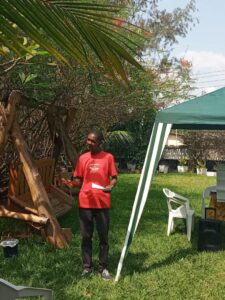
“We are also drawing Ghana’s attention to the looming danger of genetically modified local crops. The government is telling us that they want to release a genetically modified cowpea. This is a danger because there’s so much independent, peer reviewed, independent research which speaks to the dangers to human health and the environment of consuming genetically modified food.”
“So if you want to produce a genetically modified cowpea, our bean, it means very soon Ghanaians will be eating waakye, tubani, which is made from genetically modified beans, ask the people in Burkina when they were growing genetically modified cotton and they gave the cotton stocks to their animals, to their goats and sheep, what happened to their stomachs, their stomachs bloated? So this is not what food sovereignty is saying. Our national policy makers know this, but somehow there’s a game going on. So it’s now time for the Ghanaian people to show their people power and reject the bad decisions that are being made on their behalf by policymakers. So we say no to GMO. Keep our waakye local. Keep our cow pee the way it is,” he said.
The Eco Conscious Citizens Green Manifesto, in essence, serves as a clarion call for immediate, tangible actions to ensure a sustainable and ecologically responsible future, urging citizens to acknowledge their role in effecting change and unite in rejecting harmful environmental practices and safeguarding the nation’s agricultural heritage.
By Abigail Ibrahim