Artisanal fishing groups in Ghana have warned that promised mining jobs, financial compensation and short-term economic gains cannot replace healthy marine ecosystems, sustainable fish stocks and the livelihoods supported by the country’s coastal waters.
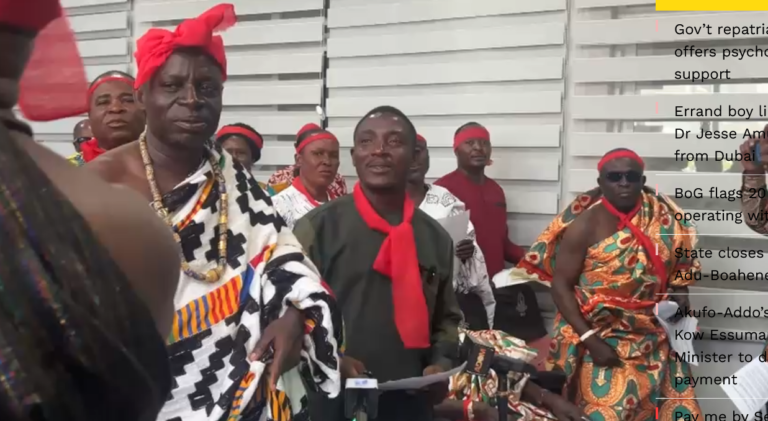
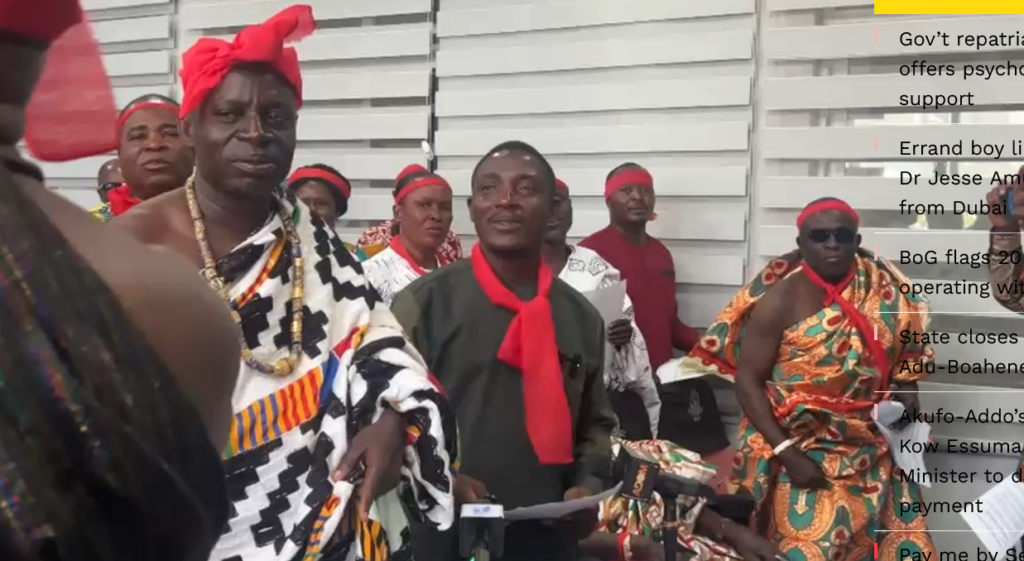
Kenneth Arthur, General Secretary of the Canoe and Fishing Gears Association of Ghana, made the point at a press conference in Accra on October 13, as he called on the government to revoke 10 offshore gold reconnaissance licences reportedly covering approximately 10,000 square kilometres of Ghana’s marine waters.
He argued that compensation could not necessarily restore an ecosystem once it had been irreversibly damaged, stressing the need to protect marine resources and the fishing communities that depend on them.
The association welcomed President John Dramani Mahama’s decision to suspend offshore gold exploration activities by Gold Coast GRC Ghana Ltd. but said the government must go further by revoking the licences and abandoning plans for offshore gold exploration and exploitation in Ghana’s coastal waters.
Mr Arthur said artisanal fishing communities had not been adequately consulted before the activities were initiated, despite the potential implications for their livelihoods.
He cited concerns raised by the Fisheries Commission, scientists and civil society organisations about the possible effects of offshore gold exploration and subsequent exploitation on marine habitats, fish stocks and access to traditional fishing grounds.
The association also warned that any decline in fish catches could affect the wider fishing value chain, including women engaged in fish processing and trading, as well as consumers who depend on fish for affordable nutrition.
It further called for the protection of the Inshore Exclusion Zone, extended from six to 12 nautical miles under the Fisheries and Aquaculture Act, 2025 (Act 1146), and urged the government to establish transparently whether the licensed areas overlap with or could affect the Greater Cape Three Points Marine Protected Area.
The group acknowledged Ghana’s need for investment, employment and public revenue but insisted that these objectives should not undermine fisheries sustainability, food security and the economic value of coastal communities.
It urged the government to ensure that offshore mineral activities do not compromise Ghana’s marine conservation commitments or the livelihoods of present and future generations.
The association maintained that the suspension of exploration activities was an important first step but said revoking the licences was necessary to provide fishing communities with lasting certainty over the future of their fishing grounds.