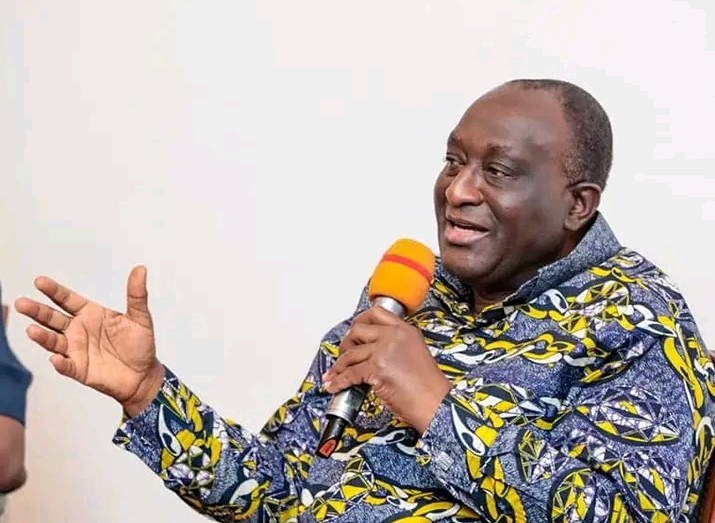
Alan Kyerematen
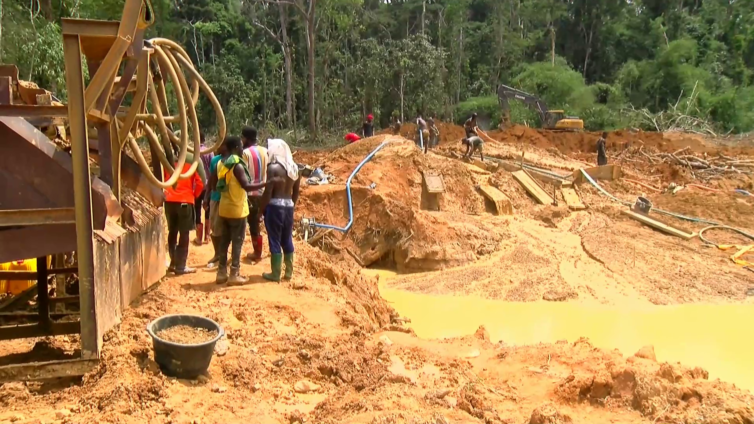
The Movement for Change has called on government to immediately ban all artisanal and small-scale mining activities, whether legal or illegal, for a period of one year as part of an urgent plan to end the destructive practice of galamsey.
The demand follows the tragic incident of August 13, which claimed the lives of eight security officers in a confrontation linked to illegal mining. According to the group, the tragedy underscores the existential threat posed by galamsey and the urgent need for decisive national action.
In a statement issued on Sunday 17 August, the Movement for Change urged the President to issue an Executive Instrument to enforce a nationwide halt on small-scale mining. The group said such a “national pause” would provide the breathing space needed to reset the sector, conduct a comprehensive audit of all mining licenses issued in the last fifteen years, and begin the restoration of degraded lands and rivers across the country.
The plan also calls for the demobilisation of all earth-moving machinery currently being used at small-scale sites, with the Ghana Armed Forces taking custody of the equipment. During the one-year ban, the Forestry Commission, together with research institutions, would lead the regeneration of affected lands, while the Environmental Protection Agency and Water Resources Commission would oversee the rehabilitation of polluted rivers.
The Movement insisted that the temporary ban was not only bold but necessary. “This is not about politics; it is about survival. If we do not act now, we risk losing our rivers, our forests, and ultimately our future as a people,” he said.
The group also proposed the establishment of a Youth in Responsible Mining Initiative, under which young people previously engaged in galamsey would be supported to form licensed mining companies operating under strict regulations. It further recommended new legislation to permanently outlaw mining in rivers and forest reserves, with sanctions as severe as life imprisonment for offenders.
The proposals form part of the Movement’s wider Great Transformational Plan, which it says represents a blueprint for sustainable national development.