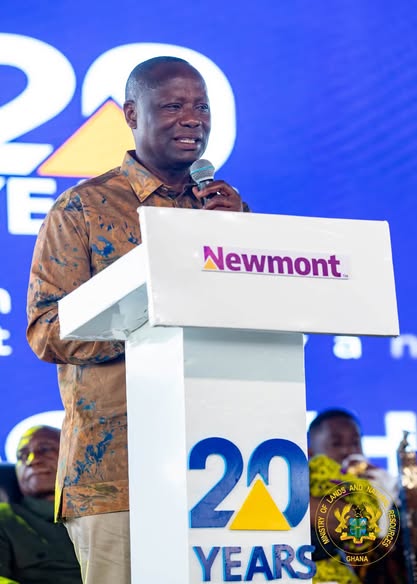
Ing Wisdom Edem Gomashie
Ghana’s Gold Board (GoldBod) is facing calls for greater parliamentary oversight following the signing of a US$1 billion Memorandum of Understanding (MoU) with Goldstream Global DMCC, a Dubai-based commodities group.
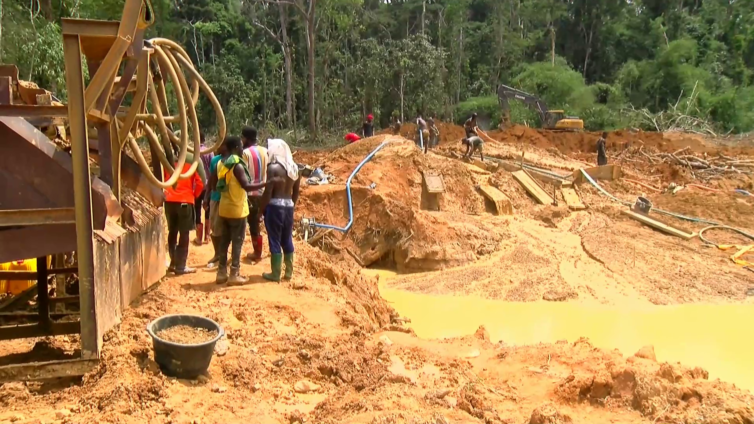
The agreement, signed on August 22, 2025, is designed to unlock the potential of Ghana’s mineralized zones through the development of more than 300 responsible small-scale mines.
GoldBod Chief Executive Officer, Sammy Gyamfi, described the initiative as a “game changer” for artisanal and small-scale mining, explaining that it would boost gold output, create thousands of jobs, and help shift the sector from what he termed “lottery mining” to a more data-driven and sustainable model.
He noted that geological investigations, led by the Ghana Geological Survey Authority and private firms, would play a central role in ensuring responsible practices.
Already, the Minerals Commission has released ten blocked-out mineralized areas to the GoldBod, with more expected in the coming weeks.
However, the deal has drawn sharp criticism from mining consultant Ing. Wisdom Edem Gomashie, who insists that the agreement cannot bypass parliamentary scrutiny.
He argued that the US$1 billion MoU constitutes a major international economic transaction under Article 181(5) of the 1992 Constitution, and therefore requires ratification by Parliament. Without this step, Gomashie warned, the agreement would be unconstitutional, null and void, leaving Ghana exposed to litigation and possible financial losses.
In his assessment, Gomashie questioned why a transaction of such magnitude, involving the establishment of a gold refinery and the development of hundreds of small-scale mines, should escape parliamentary oversight when even individual mining leases, development agreements with mining companies, and relatively small state loans are subjected to the same process.
He also called for transparency on the specific terms of the agreement, including the role of DMCC, the environmental impact assessments to be conducted, the structure of ownership and management of the new mines, and any off-take or hedging arrangements that may arise from the deal.
“Parliament and the people of Ghana must be informed as soon as possible,” he stressed, warning that the country must safeguard its mineral wealth through legality and transparency.
While GoldBod has maintained that the MoU only serves as a foundation for a full commercial agreement expected by November, the constitutional concerns raised by stakeholders are likely to intensify scrutiny of the deal in the weeks ahead.