Emelia Arthur (Right)
The Ministry of Fisheries and Aquaculture Development (MoFAD), in collaboration with the Fisheries Commission and with support from development partners, is intensifying efforts to establish Ghana’s first Marine Protected Area (MPA) in the Greater Cape Three Points area of the Western Region.
As part of this process, Emelia Arthur, Minister for Fisheries and Aquaculture, is leading a ministerial engagement across 22 coastal communities in the Ahanta West Municipality.
The current tour builds on earlier technical consultations conducted by the MPA Committee. It aims to deepen community understanding, reinforce local support, and lay the final groundwork for the formal declaration of the MPA.
Communities visited so far include: Egyambra, Miemia, Awona Beach, Princess Town, Aketakyi, Cape Three Points, Akwidaa, Achonwa, Upper and Lower Dixcove, Busua, Butre, Asemko, Ampatano, Punpuni, Aniahu, Adjua, Funko, New Amanful, and Ketakor.

In her engagements, . Emelia Arthur emphasized the critical role MPAs play in ocean conservation and fisheries management.“MPAs are proven tools for ecological recovery. Protecting critical habitats gives marine life the space to regenerate, ultimately benefiting our fishers, communities, and economy,” she stated.
She disclosed that, following the successful conclusion of stakeholder consultations and overwhelming community support, the official declaration of the Greater Cape Three Points MPA will be made soon.
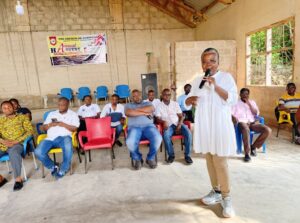
Fishers and traditional leaders expressed strong support for the initiative, recognizing the long-term ecological and economic benefits. However, they also called for accompanying social development interventions.
These include improvements in road infrastructure, electricity, education, and health services to support a smooth transition and ensure community well-being.
Hon. Arthur acknowledged these concerns and assured the communities that their requests would be incorporated into the broader implementation strategy and forwarded to relevant government agencies and development partners.
The MPA initiative is backed by robust legal and policy frameworks. Section 91 of the Fisheries Act, 2002 (Act 625), empowers the Minister responsible for fisheries to declare marine reserves after stakeholder consultation.
Additionally, the National Fisheries and Aquaculture Policy (2022) and the Marine Fisheries Management Plan (2022–2026) prioritize MPAs as a key strategy for rebuilding fish stocks and enhancing marine biodiversity.

Ghana’s international commitments further support this agenda. At the 9th Our Ocean Conference held in Athens, Greece, in April 2024, the Government of Ghana formally announced its intention to establish MPAs in fulfillment of Sustainable Development Goal 14.
This includes targets 14.2 and 14.5, which call for the sustainable management of marine ecosystems and the conservation of marine areas.
The establishment of the Marine Protected Area at Cape Three Points marks a historic milestone in Ghana’s journey toward sustainable ocean governance. It reflects a commitment to protect marine biodiversity while ensuring that the interests and aspirations of coastal communities remain central.
Through inclusive dialogue, science-based policy, and community ownership, Ghana is charting a new path for marine conservation and responsible fisheries management.