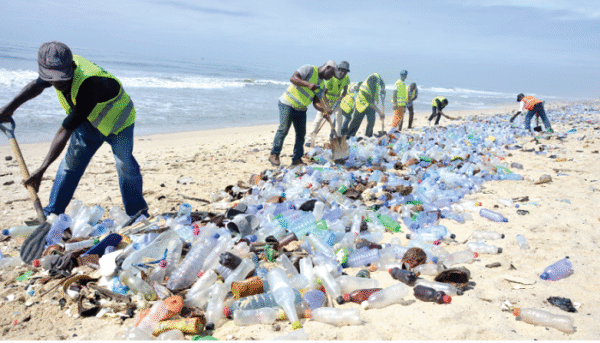
The Environmental Protection Authority (EPA) has raised the red flag on Ghana’s worsening plastic waste crisis, describing it as a “national environmental emergency” that demands urgent and systemic intervention.
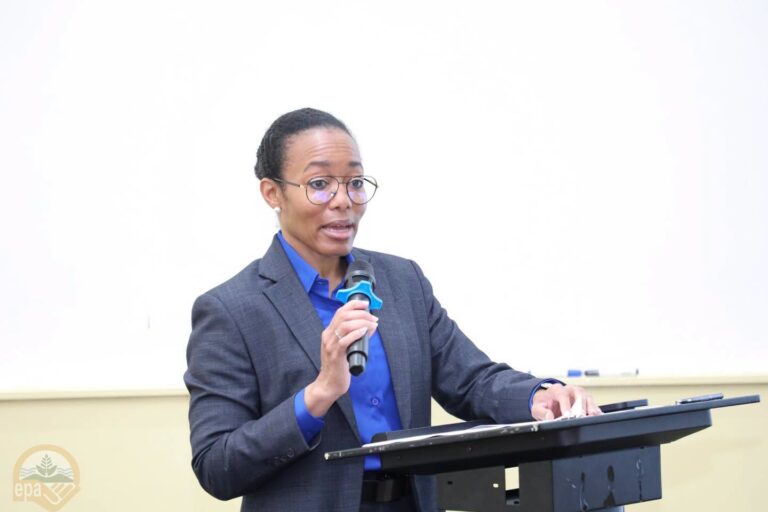
Speaking during the EPA’s MEST Visibility Webinar Series, an EPA representative delivered a statement on behalf of the CEO, Prof. Nana Ama Browne Klutse, stressing the dire consequences of unchecked plastic pollution and the urgent need for action.
“Ghana generates over one million tons of municipal plastic waste annually, but less than 60% is formally collected,” the EPA revealed. “The remainder ends up in drains, landfills, rivers, and the ocean—endangering biodiversity, human health, and food security.”
Prof. Klutse, through the statement, warned that the durability of plastic has become a serious liability. “We are drowning in plastic. Single-use items take just minutes to use, yet linger for centuries. They clog our cities, contaminate water, and poison marine life. This is no longer just a pollution issue—it is a development and public health emergency.”
The EPA emphasized that while the National Plastic Management Policy, introduced in 2020, provides a framework for change, more decisive implementation is needed to shift from a linear economy to a circular model that keeps plastic in use and out of nature.
“We must rethink how we use plastic,” the representative said. “That means phasing out harmful single-use plastics, encouraging biodegradable alternatives, scaling up recycling innovation, and creating economic incentives for waste recovery.”
Prof. Klutse also underscored the importance of multi-sectoral collaboration, noting that policy must be backed by enforcement, investment, industry accountability, and grassroots engagement. “This is not a fight Ghana can win alone. We need global solidarity.”
The EPA highlighted the disproportionate impact of plastic pollution on coastal and low-income communities, and the fact that roughly 80% of marine plastics originate from land-based sources. Urban areas in particular need strengthened solid waste management systems.
The remarks concluded with a powerful call to action:
“Plastic pollution is robbing future generations of a healthy environment and sustainable livelihoods. The time to act is now. Through a circular economy, stronger partnerships, and shared responsibility, we can turn this crisis into a catalyst for green growth.”