The Minister of Lands and Natural Resources, Emmanuel Armah-Kofi Buah, has unveiled a renewed strategy to combat illegal mining by actively involving traditional authorities and local government structures in the fight.
The move comes as Ghana faces mounting environmental degradation, with approximately 16 percent of the country’s land reserves already destroyed by illegal mining activities, popularly known as galamsey.
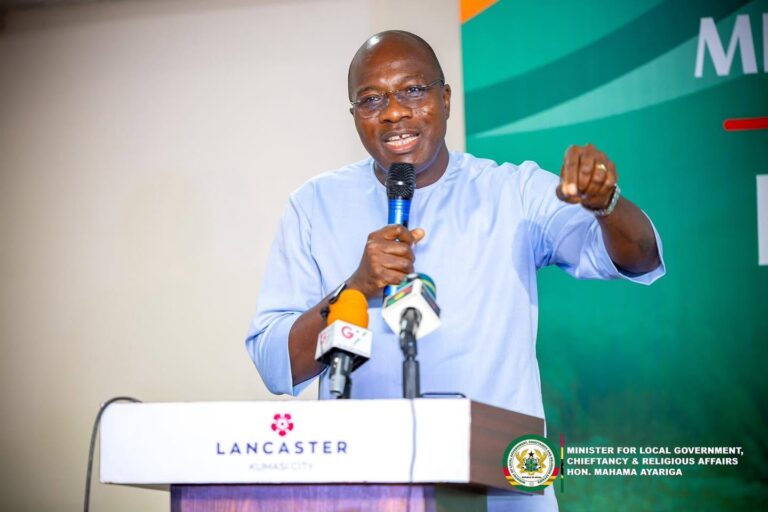
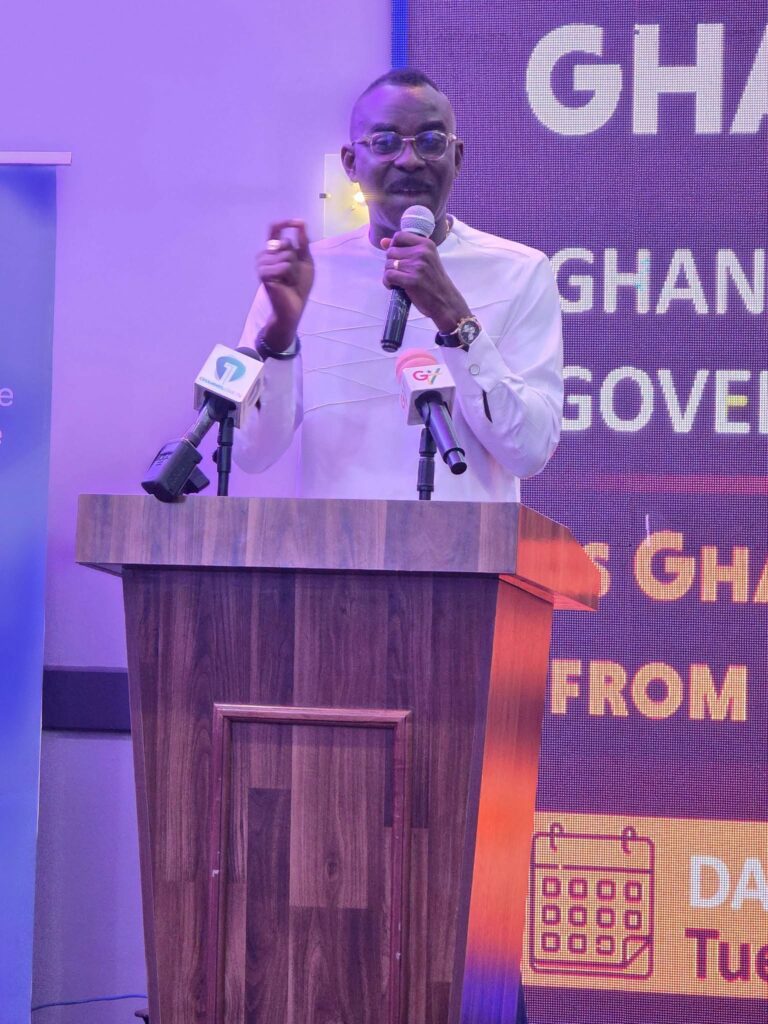
Addressing newly appointed Municipal, Metropolitan, and District Chief Executives (MMDCEs) at an orientation session on Wednesday, 18th June 2025, the Minister emphasized that decentralizing the anti-galamsey fight was now a national priority.
“Chiefs and MMDCEs will play a crucial role in fighting galamsey,” Armah-Kofi Buah declared. “Traditional leaders and local officials will now assume direct oversight responsibility in monitoring and managing mining activities within their jurisdictions.”
According to the Minister, this bottom-up approach will empower local authorities to take part in critical decisions such as the issuance of mining licenses. The government believes that involving those closest to affected communities will ensure better enforcement and accountability, particularly in areas where central government agencies have struggled to assert control.
The Minister’s remarks come amid heightened public concern over the impact of illegal mining on rivers, farmlands, and forest reserves. In recent years, contaminated water bodies and abandoned pits have become widespread symbols of unchecked exploitation of natural resources.
Armah-Kofi Buah outlined the government’s strategy as a multi-faceted response to the galamsey crisis. He said the approach would include reclaiming degraded lands, offering alternative livelihoods to affected communities, strengthening law enforcement, reforming mining license procedures, and expanding public education and stakeholder engagement.
He urged the MMDCEs to show strong leadership and commitment to the new agenda, warning that any official found complicit in illegal mining activities would face serious consequences under the law.
“The Ministry will back you fully, but we will not tolerate any form of compromise,” he said. “This is a national emergency. We must act decisively to protect our environment and secure our future.”
The government’s push to decentralize the fight against illegal mining represents a significant policy shift, one that places greater responsibility in the hands of local governance structures and traditional authorities. It also aligns with ongoing national efforts to restore degraded ecosystems and promote sustainable land management across the country.
As Ghana intensifies efforts to curb illegal mining, this new approach could signal a turning point in the long-standing battle to protect the nation’s natural resources from environmental ruin.