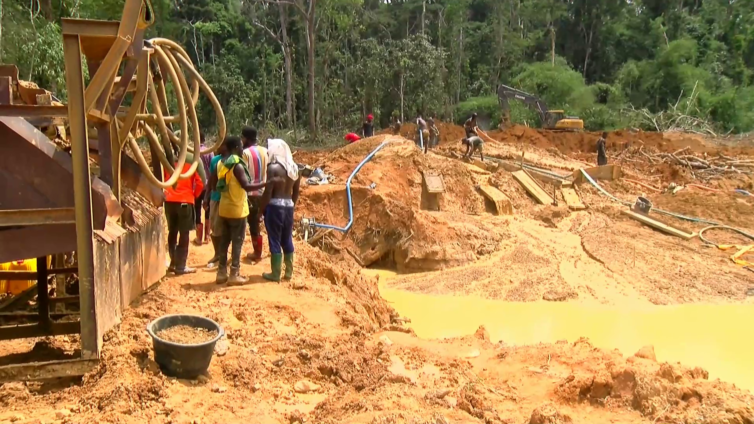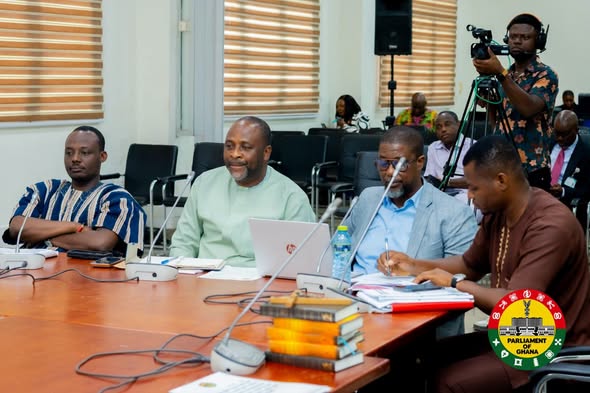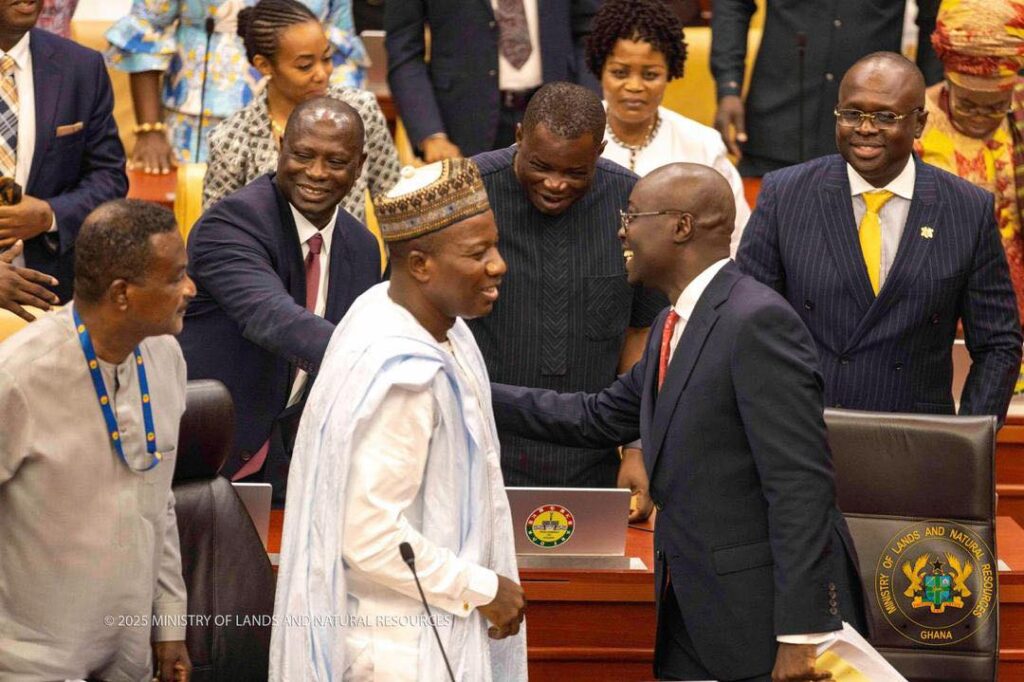
The Minister for Lands and Natural Resources, Emmanuel Armah-Kofi Buah, has urged Ghanaians to join forces in the fight against illegal mining, popularly known as Galamsey, emphasizing that it is a battle the nation must win together.
Speaking to the media ahead of the 2025 Budget Presentation, the Minister stressed the need for responsible mining practices that do not destroy water bodies, degrade lands, or harm the environment.
“As a country, we can engage in mining without destroying our natural resources. The fight against Galamsey is one we must win collectively,” he stated.
Armah-Kofi Buah also expressed optimism about the upcoming budget, asserting that the Mahama-led government is committed to leading Ghanaians toward prosperity and economic stability.
“We will see a future of hope and prosperity with this government. Our key focus will be mobilizing more revenue, cutting down on excessive expenditure, and ensuring we live within our means,” he added.
Key Highlights from the 2025 Budget Presentation
Tax Relief for Small-Scale Miners
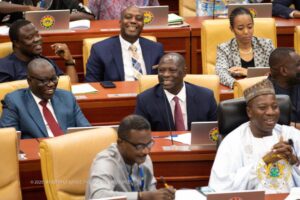
Presenting the 2025 Budget in Parliament, Finance Minister Dr. Cassiel Ato Forson announced the abolition of the 1.5% Withholding Tax on the mining of unprocessed gold by small-scale miners.
“Removing this tax, along with other nuisance taxes, will ease the burden on households, improve disposable incomes, and support business growth,” he said.
2. Policy Reforms and Revenue Mobilization
The government plans to review several legislative frameworks, including the Minerals Income Investment Fund Act, 2018 (Act 978), to stabilize the economy and promote inclusive growth.
Dr. Forson also revealed measures to stabilize the cedi, including the establishment of a Gold Board, which will enhance the accumulation of foreign exchange reserves.
Maximizing Benefits from the Extractive Sector
The Finance Minister highlighted that while global gold prices have surged, Ghana has not fully leveraged this opportunity to generate revenue and support economic growth.
“Natural Resource Rent—the difference between a commodity’s revenue and production cost—accounts for 14% of GDP, yet revenue from the extractive sector contributes only 1.5% of GDP. This shows we are not capturing the full economic rent of our natural resources,” Dr. Forson explained.
To address this, the government is proposing an increase in the Growth & Sustainability Levy on gross mining production from 1% to 3%, ensuring Ghana benefits fairly from rising gold prices.“Additionally, we propose extending the sunset clause to 2028,” he added.
Support for Gold Purchases and Exports
To enhance the Ghana Gold Board’s (GOLDBOD) capacity, the government will provide a cedi equivalent of $279 million as a revolving fund, enabling GOLDBOD to purchase and export at least three tonnes of gold per week from small-scale miners.
With these initiatives, the government aims to strengthen the mining sector, boost economic resilience, and enhance domestic revenue mobilization for national development.