Co-Chair of GHEITI, Dr Steve Manteaw
Policy analyst Dr. Steve Manteaw has offered a candid assessment of the performance of key ministers under former President John Dramani Mahama’s administration, highlighting a number of standout figures whose leadership and initiatives left lasting marks on Ghana’s governance landscape. His evaluation, while acknowledging the broader challenges the administration faced, celebrates the contributions of select ministers who demonstrated exceptional initiative and effectiveness.
Energy Minister: Steering Ghana Away from the Brink
According to Dr. Manteaw, the Energy Minister during Mahama’s tenure deserves high praise for averting what could have become a full-blown crisis in the power sector. Although systemic challenges lingered, the minister’s proactive approach to reforming the sector brought a much-needed sense of direction. Key interventions included the renegotiation of problematic Power Purchase Agreements (PPAs), which had threatened the country’s fiscal health, and bold steps toward Private Sector Participation in metering and revenue collection. Notably, the minister also embraced Open Contracting, boosting transparency in the sector—a move Manteaw described as “a strong statement of accountability in a sector long plagued by opacity.”
Finance Minister: Anchor of Fiscal Stability
In the finance space, Manteaw credited the Finance Minister for exercising commendable fiscal discipline, which led to macro-economic stability during turbulent global conditions. His stewardship saw a relative strengthening of the Ghanaian cedi and contributed to restoring investor confidence in the economy. “He understood the importance of anchoring confidence and was deliberate about keeping spending within sustainable limits,” Manteaw noted.
Lands and Natural Resources Minister: Frontline Defender of Ghana’s Environment
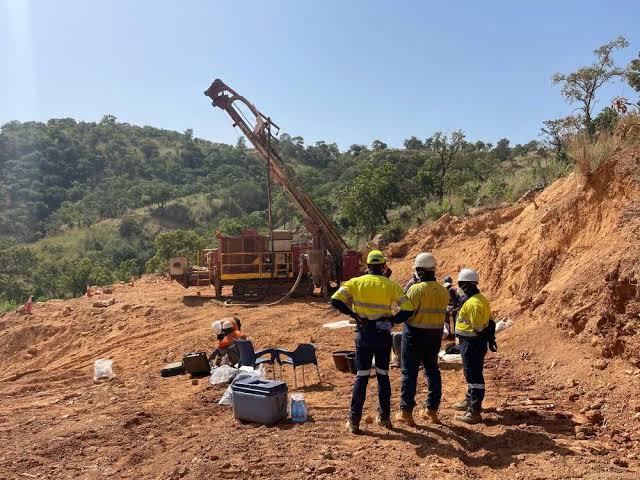
Dr. Manteaw reserved special recognition for the Minister of Lands and Natural Resources, lauding his unwavering fight against illegal mining—a menace that has plagued Ghana’s river systems and farmlands. Under his leadership, the government established the Blue Water Guards, a dedicated force aimed at protecting vital water bodies from the ravages of ‘galamsey’ (illegal mining). These efforts, according to Manteaw, were not only consistent but strategic, resulting in increasing arrests and heightened public awareness. The Minister also advanced key legislative reforms, including revisions to the Minerals and Mining Act and Policy, laying the groundwork for more responsible and sustainable mineral resource governance.
GoldBod CEO: Architect of Ghana’s Gold Value Retention Strategy
Outside the formal cabinet structure, the CEO of GoldBod also emerged as a silent but transformative player in Mahama’s economic strategy. Manteaw commended his role in establishing the administration’s flagship gold trading initiative, designed to retain greater value from Ghana’s gold exports. “He navigated uncharted waters with admirable skill,” Manteaw remarked. The initiative not only helped stabilize the local currency but also contributed positively to Ghana’s balance of payments—an achievement with long-term economic significance.
A Balanced View
While Manteaw’s assessment spotlights key figures who delivered significant results, it also serves as a subtle critique of the broader challenges that persisted under Mahama’s watch—most notably in sectors where reform momentum lagged or where political interference blunted impact. Nonetheless, his analysis offers an important reminder that within every administration, there are pockets of excellence that deserve acknowledgment and may serve as templates for future governance.
As Ghana continues to grapple with governance and development challenges, the lessons from Mahama’s standout ministers, as outlined by Manteaw, provide both a benchmark and a source of inspiration for current and future leaders.