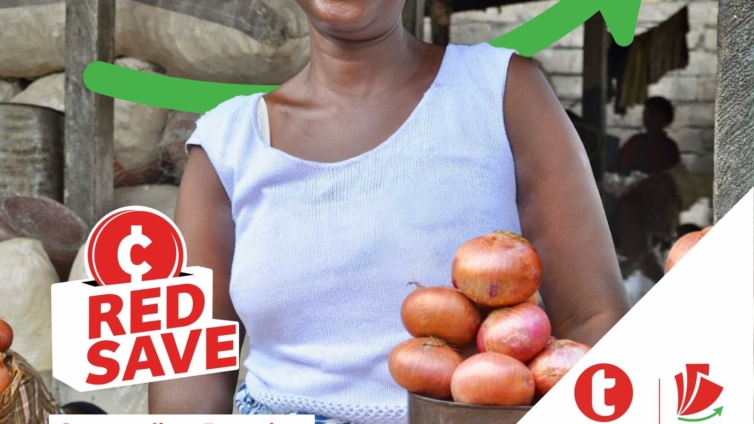
Telecommunications company Telecel Ghana has broken its silence following media reports that a GH¢2 million legal claim has been filed against it by a Makola Market trader, Madam Faustina Djagbele Abbey, over the alleged unauthorized use of her photograph in a nationwide advertising campaign.
In a brief public statement released this week, the company acknowledged the lawsuit and indicated that it is taking the matter seriously. “We are currently reviewing the details of this claim to establish the facts. We wish to assure the public that we take matters of privacy, imagery consent, and intellectual property seriously,” Telecel stated.
The case, filed at the High Court on May 23, 2025, has sparked widespread public interest. Madam Abbey, an onion seller and familiar face around Accra’s Makola Market, alleges that her image was used without her permission in promotional materials for the ‘Telecel Red Save’ product — a digital savings service launched by the telecoms firm.
According to court documents, her image was displayed across billboards, social media platforms, and other marketing channels as part of the product’s campaign. However, she claims she was never approached for consent, nor did she receive any compensation or formal notification.
Represented by lawyer Bernard Owiredu Donkor of Thompson Law Consult, Madam Abbey is demanding GH¢2 million in damages for the alleged violation of her privacy and personal liberties, alongside a court order compelling Telecel to remove all advertisements featuring her image.
Beyond the legal claims, Madam Abbey says the campaign has caused emotional distress and strained personal relationships, as many in her community now mistakenly assume she is financially affiliated with the telecom brand. She contends that this has led to “unwanted public scrutiny and reputational harm.”
The case highlights broader legal and ethical questions around image rights, privacy, and corporate responsibility. Ghana’s Data Protection Act, 2012 (Act 843), provides individuals with rights over how their personal data — including their image — is collected, used, and shared, particularly for commercial purposes.
As of July 2024, Telecel Ghana held a 17.2% share of the voice and data market in Ghana. The outcome of this case could set a legal precedent for how companies approach consent and privacy in advertising, especially as digital marketing continues to expand in reach and influence.
While Telecel has not admitted to any wrongdoing, its measured response suggests internal investigations are underway. The company has not confirmed whether the image in question was used inadvertently, via a third-party agency, or as part of a broader stock image campaign.