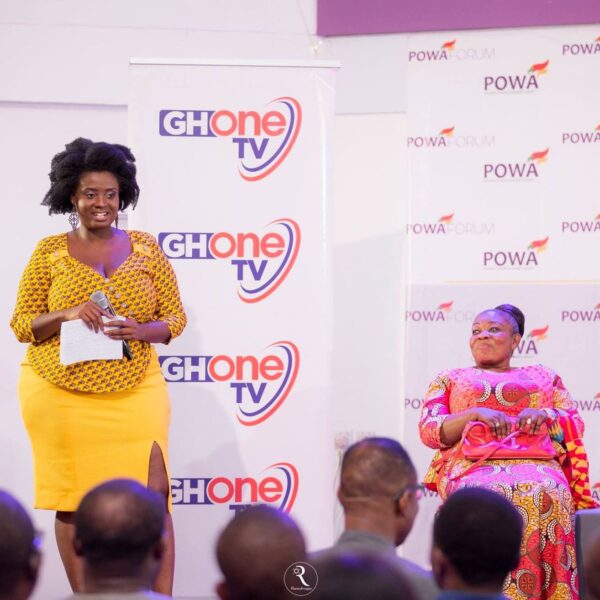
Vicky Hammah
Victoria Hamah, a lawyer and gender rights advocate, has called for a more context-sensitive and evidence-based approach to gender rights advocacy in Ghana, arguing that the debate should extend beyond controversial public remarks to broader challenges such as illegal mining, environmental degradation, poverty, unemployment, education and healthcare.
Her comments follow controversy surrounding remarks attributed to the Ahafo Ano South East Member of Parliament, Yakubu Mohammed, which have generated debate among gender and human rights advocates.
Below is the full write up by Victoria Hamah:
Context Matters in Advancing Inclusive Rights Advocacy – My thoughts on the Ahafo Ano South East MPs comments.
I personally do not see anything inherently objectionable in the comments attributed to the Ahafo Ano South East MP.
In Ghana’s cultural context, such expressions are often used colloquially and should not automatically be construed as evidence of gender-based rights violations.
Rights advocacy is most effective when it distinguishes between genuinely harmful conduct and culturally understood expressions.
More broadly, I believe gender rights advocacy in Ghana has, at times, adopted an overly narrow focus that risks sidelining pressing national concerns.
While protecting the rights and dignity of women and girls remains essential, advocacy should also engage with broader issues that profoundly affect their lives, including illegal mining (galamsey), environmental degradation, unemployment, poverty, and access to quality education and healthcare.
These are not separate from gender justice; they are integral to it.
An inclusive human rights agenda should therefore be proportionate, evidence-based, and context-sensitive.
It should avoid elevating every controversial remark into a national rights crisis while remaining uncompromising in confronting genuine abuse, discrimination, and violence.
By broadening its focus and grounding its interventions in context, rights advocacy can build greater public trust and contribute more meaningfully to Ghana’s overall development.
Meanwhile the MP has apologised following public outrage on the issue.