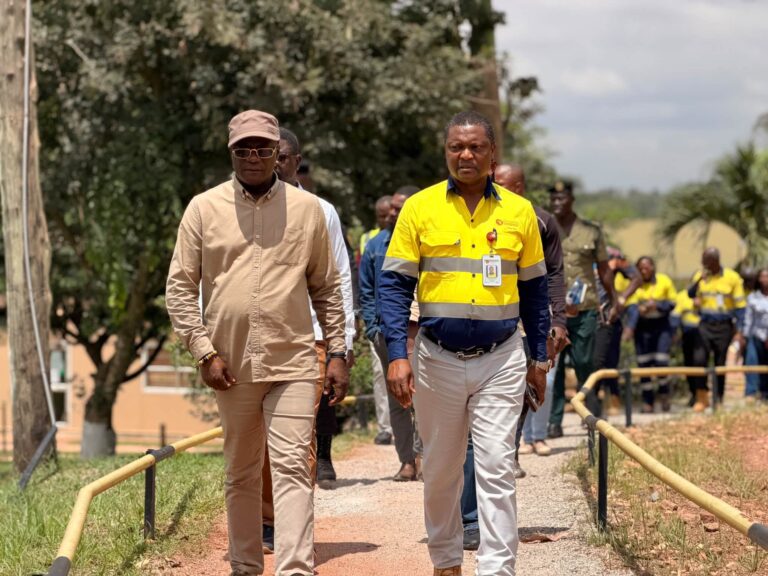
Godwin Edudzi Tameklo , NPA CEO
The pilot phase of Ghana’s 24-Hour Economy Programme in the petroleum downstream sector has officially been launched, marking a major step towards restructuring productivity, improving service delivery, and expanding economic activity within the industry.
The initiative forms part of President John Dramani Mahama’s broader vision to drive transformative economic growth across key sectors of the economy through continuous operations and increased efficiency.
According to officials, the programme is expected to strengthen the country’s petroleum supply chain, improve service delivery, stimulate economic activity, and create employment opportunities across the sector.
The rollout will be implemented in phases, beginning with selected facilities in four regions — Greater Accra, Ashanti, Western, and Northern.

Under the pilot phase, the programme will cover 268 fuel stations, eight depots, and two refineries: the Tema Oil Refinery (TOR) and the Sentuo Oil Refinery.
Authorities say the phased implementation is intended to allow stakeholders to test operational systems, refine implementation models, and ensure that the transition to round-the-clock operations is efficient, safe, and sustainable.

The initiative is expected to support uninterrupted petroleum distribution and improve operational efficiency within Ghana’s downstream petroleum industry.
Government officials have described the programme as a strategic intervention aimed at boosting productivity and supporting economic growth through expanded working hours and enhanced industrial activity.