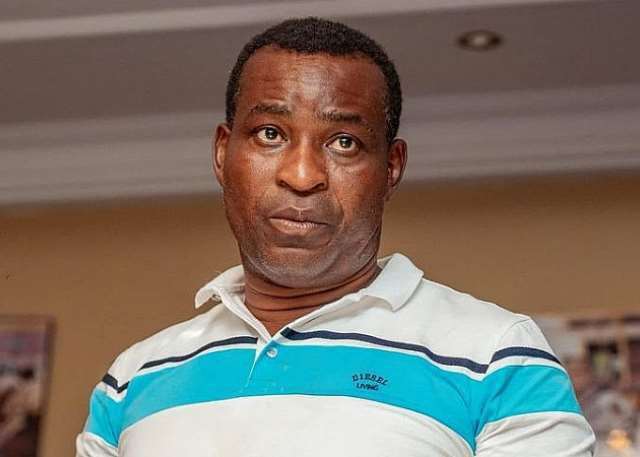
Ahmed Dasana Nantogmah
The Acting CEO of the Ghana Chamber of Mines, Ahmed Nantogmah, has called for greater policy consistency and timely government action to protect investor confidence in Ghana’s mining sector.
Speaking on Good Afternoon Ghana on Tuesday, April 29, Nantogmah warned that erratic policy shifts and political delays risk undermining the country’s attractiveness as a mining investment destination.
Referring to the current debate over increasing Ghanaian participation in mining ventures, Nantogmah acknowledged the national desire for greater local ownership—such as through 50% Ghanaian equity or public-private partnerships (PPPs)—but cautioned against imposing changes midstream after foreign investors have already committed capital.
“Once you allow a company to come in—whether foreign or local—and they start operations, don’t impede them. The investments are heavy,” he said. “Newmont, for example, has sunk over a billion dollars into Ahafo.”
Nantogmah stressed that investors make decisions based on the legal and fiscal framework available at the point of entry. Retroactively increasing royalty rates or altering lease terms, he said, creates uncertainty and discourages long-term commitment.
“Even if it’s a royalty at 20% or 30%, if the company can work with it, they will. But if you agree on 10% and later change it to 20%, you affect their model.”
Citing the stalled ratification of Atlantic Lithium’s mining lease, Nantogmah revealed that delays have had significant consequences. When approval was initially pending, lithium prices were at a high of $3,000 per tonne. Today, prices have dropped to around $850—dramatically altering the project’s economics and inflating the cost of development from $100 million to nearly $300 million.
“The lease could have been ratified last year,” he noted. “But government didn’t get through before the election campaign began. Now, the environment has changed, and the company may need to renegotiate.”
He admitted that political cycles inevitably affect legislative priorities but stressed that inaction has real consequences—not just for investors, but also for local communities.“Workers have been laid off—not sacked, but laid off. It’s not their fault. It’s ours. Communities in the Central Region are waiting for this mine to begin.”
With global interest in lithium rising and more deposits being discovered elsewhere, Nantogmah warned that further delays could cause Ghana to miss out entirely.“If we don’t move quickly, we could lose the potential from the lithium mine. Others are moving faster.”
In closing, he reiterated the Chamber’s position: Ghana must remain a destination of choice for mining investment. That means clear rules, reliable timelines, and a willingness to work collaboratively with both local and international investors.
Listen to Ahmed Nantogmah in the attached audio clip below: