Onasis Rosely and Edmond Kombat
In a significant step toward empowering Ghanaian youth and strengthening the country’s energy sector, Tema Oil Refinery Ltd (TOR) and the Petroleum Hub Development Corporation (PHDC) have reached a preliminary agreement to collaborate on a transformative training initiative targeting 500 young Ghanaians.
The agreement was reached during a high-level meeting held at TOR’s premises, where officials from both institutions discussed plans to roll out a capacity-building and exchange program focused on the oil, gas, and petrochemical industries.
The meeting featured a delegation from PHDC led by Acting Deputy Managing Director, Onasis Rosely, and was hosted by TOR’s Acting Managing Director, Edmond Kombat.
At the heart of the proposed collaboration is TOR’s commitment to leveraging its robust technical infrastructure, experienced professionals, and institutional knowledge to equip the youth with practical skills for the fast-evolving energy space.
The program is intended to position participants for future employment opportunities in both the upstream and downstream segments of the industry, especially as Ghana expands its energy and petrochemical footprint.
“This initiative speaks to our shared vision of building a future-ready workforce that can respond to the opportunities and challenges of Ghana’s energy transition,” Mr. Kombat noted.
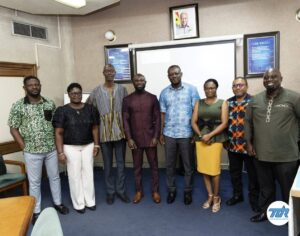
Also present at the meeting were TOR’s Acting Deputy Managing Director, Alhaji Mustapha Abubakar Batalima, and other senior managers of the refinery. Both parties affirmed their commitment to developing a roadmap for implementation, including curriculum design, resource allocation, and certification pathways.
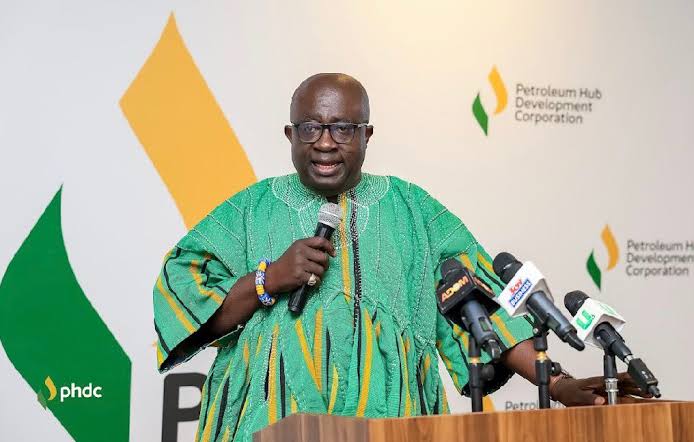
The Petroleum Hub Development Corporation, which has been tasked with spearheading the development of Ghana’s first petroleum hub, sees the partnership as a key element in ensuring local content participation in the multi-billion-dollar project.
Industry stakeholders have lauded the initiative as timely and necessary, especially amid growing global emphasis on skills development and energy security. Once formalized, the program is expected to become a flagship model for public sector-led human capital development in Ghana’s energy landscape.