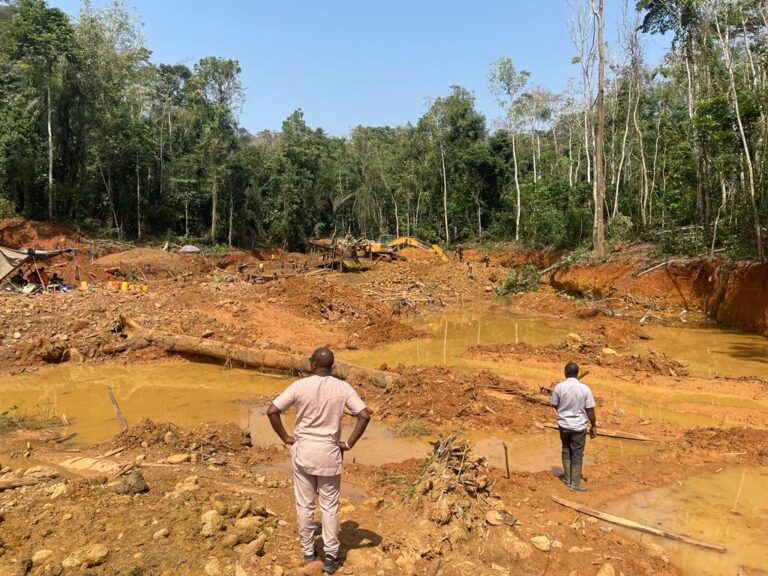
The National Anti-Illegal Mining Operations Secretariat (NAIMOS) plans to extend its river protection operations to two additional water bodies before the end of 2026 as it intensifies efforts to combat illegal mining and prevent miners from returning to previously cleared areas.
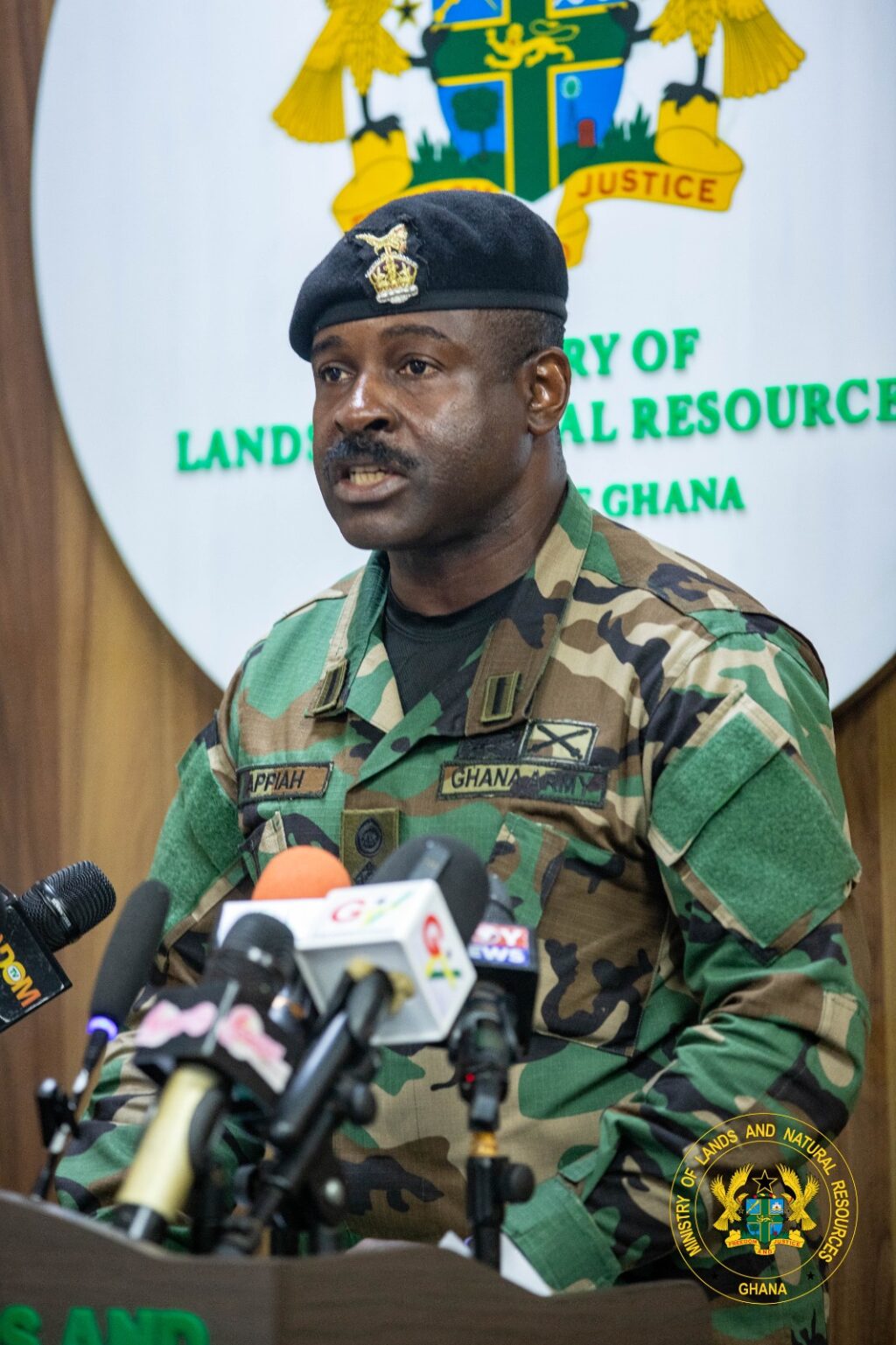
The Director of Operations at NAIMOS, Colonel S.K. Appiah, announced this during the Ministry of Lands and Natural Resources’ Progress Series media briefing, where he presented an account of the Secretariat’s operations and achievements from June 13 to September 30, 2026, and outlined its next phase of enforcement.
He highlighted Operation Water Shield, which began on the Birim River before extending to the Ankobra River, and announced plans for Operation Green Shield, a forest protection intervention targeting illegal mining in the Atiwa Forest Reserve.

He said the next phase of the operations would focus not only on clearing illegal miners but also on preventing their return through sustained patrols, intelligence-led interventions and a planned dedicated riverine unit in collaboration with the Ghana Navy.
Responding to questions from journalists about arrests, seized equipment and the sustainability of enforcement after NAIMOS withdraws from cleared areas, Col. Appiah said hundreds of suspected illegal miners had been arrested during the period under review.
He said those arrested had been handed over to the police and other relevant authorities, with some facing court proceedings, others remanded in custody and some granted bail.

Col. Appiah also disclosed that NAIMOS had seized more than 100 excavators during the period. The machines, he said, had been secured at designated holding areas across the regions.
He added that the Secretariat was documenting the chassis numbers and GPS locations of the seized excavators to support legal proceedings aimed at securing their confiscation by the state.
Addressing concerns about whether other security agencies and local institutions could sustain the gains after NAIMOS completed its operations, Col. Appiah said the military could not remain permanently in every affected area.
He explained that the strategy was to clear and stabilise illegal mining hotspots before gradually transferring routine monitoring and protection responsibilities to relevant security institutions, the Forestry Commission and local communities.
He added that NAIMOS was strengthening collaboration with the Blue Water Guards and other intelligence agencies to improve information-sharing and coordinate enforcement activities.
Col. Appiah said the operations were being carefully sequenced to achieve lasting results rather than conduct widespread interventions that could allow illegal miners to return after enforcement teams withdrew.