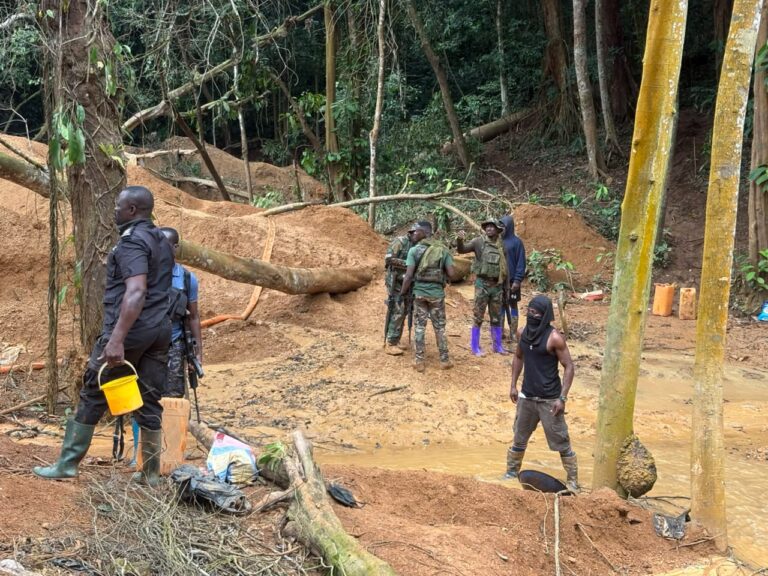
illegal miners
Child health practitioners in Ghana have warned that illegal mining poses a serious threat to children’s health and brain development, citing the potential long-term effects of exposure to toxic substances.
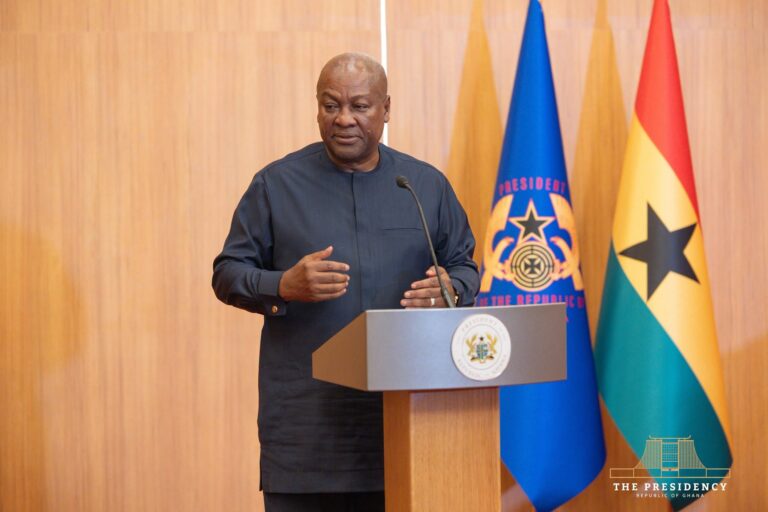
In an open letter to President John Dramani Mahama earlier this year, the Paediatric Society of Ghana (PSG) warned that exposure to substances associated with illegal mining could have irreversible consequences for child development, including reduced intelligence quotient (IQ), impaired learning capacity, speech delays and permanent brain damage.
The Society urged President Mahama, Parliament and Cabinet to treat the effects of illegal mining on children as a national emergency and take immediate steps to protect pregnant women, children and communities in mining-affected areas.
The letter also highlighted the dangers posed by abandoned mining pits and exposure to toxic substances.
“Children drown in open pits left by galamsey activities. Illegal mining releases toxic substances (mercury, lead, arsenic, and cyanide) into water sources, soil, and the food chain. Pregnant women and young children are exposed through contaminated drinking water, fish, crops, and household dust. These toxins easily cross the placenta and enter breast milk, affecting children during their most critical developmental stages,” the Society said.
The warning comes amid reports of drowning incidents in abandoned mining pits. According to records cited by the National Disaster Management Organisation (NADMO), 23 people, including 11 children, drowned in abandoned galamsey pits across 19 districts in the Ashanti Region in January 2026.
The Ashanti Regional Director of NADMO, Alhaji Nasir Mohammed Ibrahim, said 19 bodies were recovered during the period, while four victims remained missing.
The Paediatric Society also warned that exposure to heavy metals during pregnancy could affect foetal development, raising concerns about the impact of mining pollution on unborn children.
To address the situation, the Society has called on the government to declare galamsey a child health emergency, protect and monitor water sources serving pregnant women, children and schools, and introduce heavy-metal screening in high-risk districts nationwide.
It also called for stronger enforcement against illegal mining, long-term child development monitoring programmes and the inclusion of child health impact assessments in mining and environmental policies.
The letter was jointly signed by PSG President Dr Hilda Mantebea Boye and General Secretary Dr Gabrielle Obeng-Koranteng.
The appeal builds on the Society’s previous calls for the screening, identification and treatment of children and other people in mining-affected communities. In an October 2025 statement, it also pledged to support the training of health professionals to recognise possible cases of heavy-metal exposure and collaborate with partners on research into the health effects of galamsey.
The Society’s concerns highlight the need to consider the health and developmental consequences of illegal mining alongside its environmental and economic effects.
By Theresa Weyerane Adiali