Parliament
The General Manager, Operations of Atlantic Lithium Ghana, Ahmed Salim Adam, says the company remains optimistic about achieving parliamentary ratification of its mining lease by the end of 2025, paving the way for the start of construction on Ghana’s first lithium project.
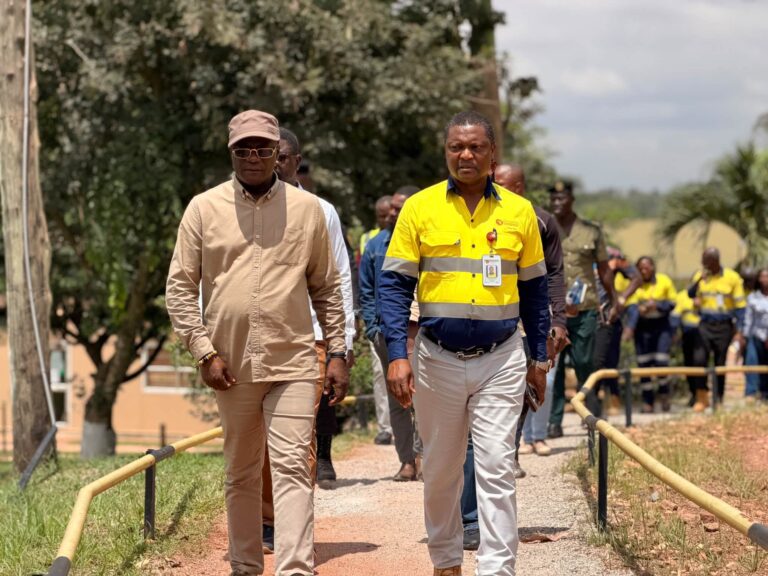
He made the disclosure in Accra on Thursday, 30 October, during Day Two of the Africa Extractives Media Fellowship, where he engaged journalists in a post-session interview focused on Ghana’s emerging lithium industry.
“We’ve not started operations yet,” Adam explained. “The hope is that we will achieve ratification by the end of the year. Once that happens, we’ll revisit the investment decision and, hopefully, break ground. Construction will take about 18 to 24 months before production begins.”
Despite not yet commencing production, Atlantic Lithium has already begun contributing to Ghana’s economy through taxes.
“We paid about GHC19 million in taxes,” Adam revealed. “That shows our commitment to Ghana, even before operations begin.”
Mr. Adam highlighted that the project’s structure gives the Government of Ghana a 13% free carried interest, a notable improvement from earlier mining agreements. Additionally, the Minerals Income Investment Fund (MIIF) has the option to invest further, a decision expected soon.
“Government’s involvement is not just about taxes anymore,” he noted. “It’s also about having a seat in the boardroom—being part of decision-making, including when dividends should be paid. That’s a significant shift from the past.”
One of the most distinctive features of the Atlantic Lithium–Ghana agreement, Adam said, is its community revenue commitment.
“We are giving 1% of our revenue—not profit—to the community development fund,” he explained. “That means irrespective of whether we make a profit or not, 1% of revenue goes directly to local communities for them to decide how to use it. That’s a game changer.”
He described the initiative as a new standard for community participation, contrasting it with past voluntary corporate social responsibility efforts that offered minimal returns.
Adam acknowledged that the global lithium market has shifted significantly since the lease was signed.
“When the agreement was signed in 2023, lithium prices were around US$3,000 per tonne,” he said. “We used about US$1,500 for our feasibility study, but today it’s between US$850 and US$900. Naturally, we have to take a second look at the financials.”
He noted that discussions with the Minister for Lands and Natural Resources and the Minerals Commission have been “very cooperative and forward-looking,” as all parties work to ensure the project remains viable and beneficial to both investors and the Ghanaian people.
Adam emphasised that the Ewoyaa Lithium Project represents a new model of resource governance in Ghana—one that ensures fair value, community inclusion, and transparency.
“It’s a project that government has significant interest in,” he said. “Let’s have a conversation about it, because this is not just about mining lithium—it’s about doing it right and ensuring that Ghanaians benefit meaningfully from their resources.”