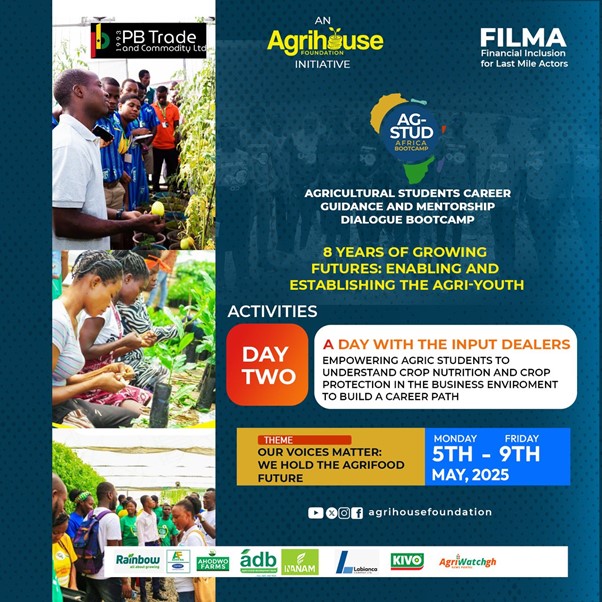
The second day of the 8th Agricultural Students Career Guidance and Mentorship Bootcamp (AG-STUD Africa), organized by Agrihouse Foundation, focused on enhancing the knowledge and skills of young agriculture students through direct engagement with leading input dealers in Ghana’s agribusiness space.
Today’s activities centered on deepening students’ understanding of the agricultural input industry—particularly in the areas of crop nutrition and crop protection—and how these sectors offer a wide range of career opportunities for youth in agriculture.
Themed “Empowering Agric Students to Understand Crop Nutrition and Crop Protection in the Business Environment to Build a Career Path,” the sessions were designed to equip students with the technical and business knowledge needed to thrive within the agribusiness input value chain.
With a growing demand for innovation and efficiency in farming, the role of fertilizers, quality seeds, pesticides, and sustainable practices has never been more critical. The bootcampers explored these areas through field visits and engaging discussions with professionals and mentors.
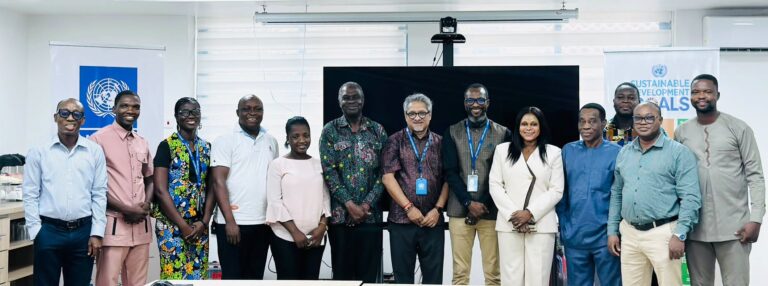
Participants visited respected agricultural institutions and enterprises, including Rainbow Agrosciences, OCP Africa, ADDFRA Enterprise, and Ahodwo Farms. These visits offered firsthand insight into how agricultural input businesses operate—from production and distribution to on-farm application—and how scientific knowledge is transformed into products and services that directly impact crop yields and national food security.
The day’s agenda also included a special visit to the Office of the President Annex, where the students were received by Mr. Peter Boamah Otokunor, Director of Presidential Initiatives on Agriculture and Agribusiness.
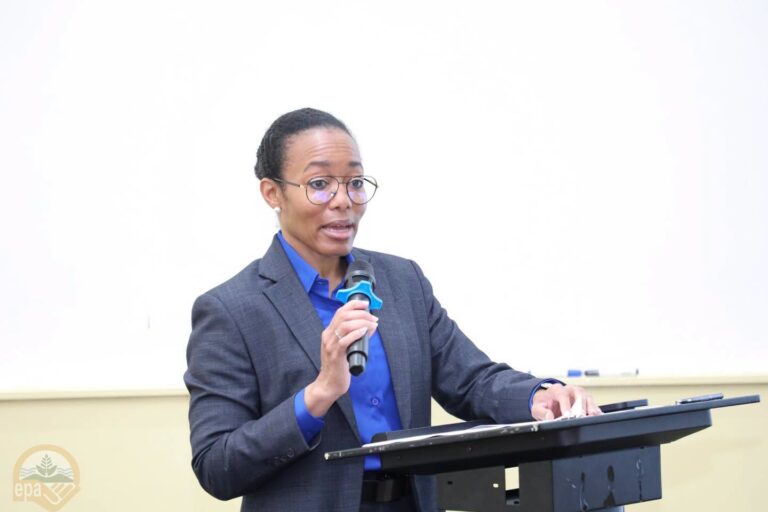
Mr. Otokunor delivered an insightful address on the broader policy and development issues shaping Ghana’s agricultural sector. He also shared his personal journey in agribusiness leadership, offering practical advice on discipline, resilience, and innovation as keys to building sustainable careers in agriculture.
Alberta Nana Akyaa Akosa, Executive Director of Agrihouse Foundation, emphasized that Day Two of the bootcamp marked a pivotal point for the participants. She underscored the importance of helping students appreciate the value of agricultural inputs, not only in improving productivity but also in building viable agribusiness models.
“Agriculture is a dynamic and evolving sector,” she noted. “It demands strategic thinking, hands-on learning, and a willingness to embrace innovation.”
As the bootcampers step into the second half of the program, they do so with a renewed sense of purpose and curiosity. Through every visit, conversation, and mentorship moment, they continue to build the knowledge, networks, and confidence needed to carve impactful and sustainable futures in agriculture.
The AG-STUD Bootcamp continues to serve as a powerful platform for nurturing Ghana’s next generation of agribusiness leaders—empowering students to think beyond traditional roles and to embrace agriculture as a modern, innovative, and rewarding profession.