Dr Zanetor Rawlings
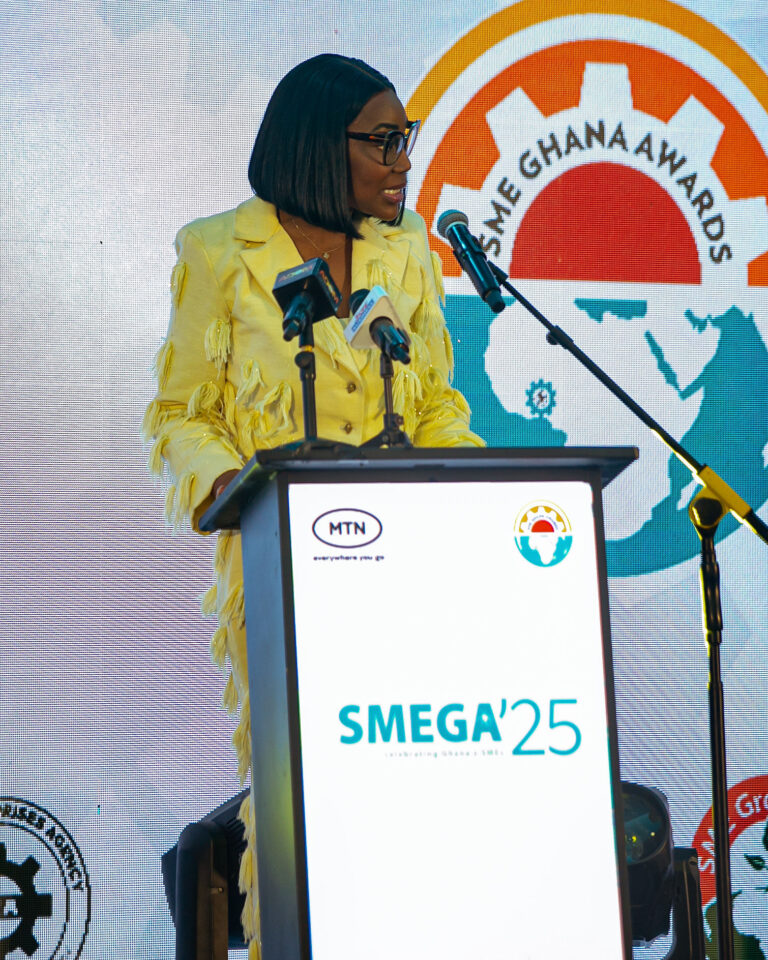
The Minister of Science and Environment, Dr Zanetor Rawlings, has called for an audit of lands and properties belonging to agencies under the ministry to protect public assets from unauthorised disposal and encroachment.
She cautioned heads of agencies against selling land or other assets without consulting her, stressing the need to assess the long-term implications of such decisions for institutional growth and the public interest.
“You are not to sell your assets or your land without speaking to me, because we have to be sure that we are doing what is best, not just for the agencies, but also for the people of Ghana,” she said.
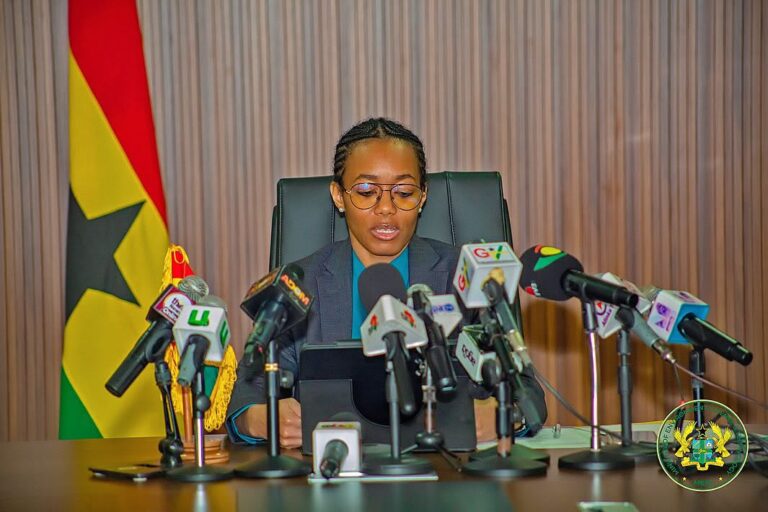
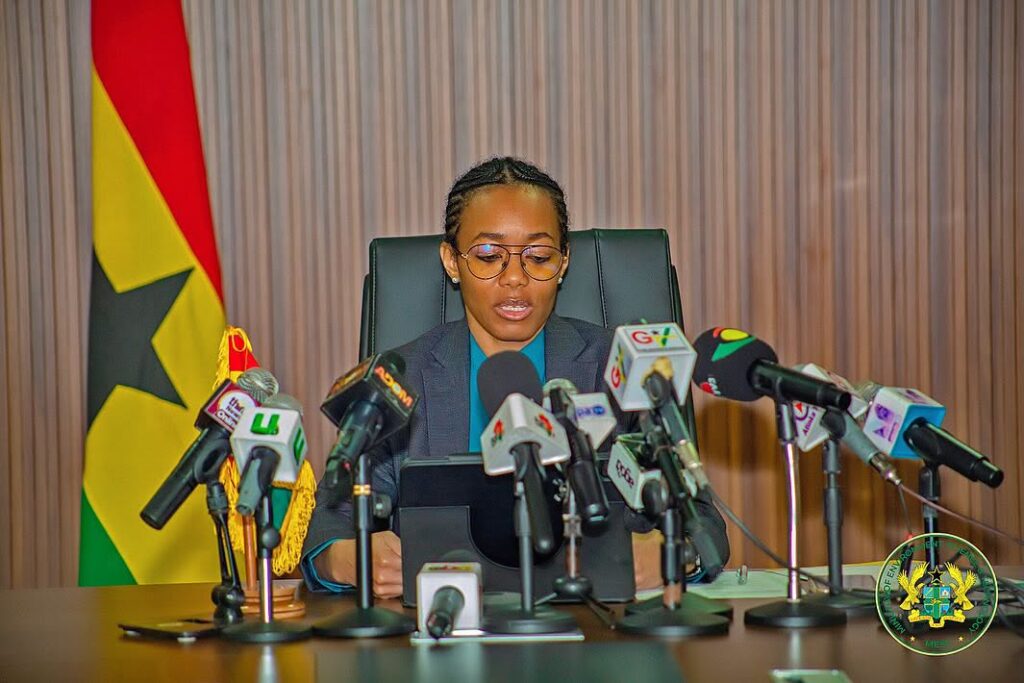
Dr Rawlings was speaking at a press and stakeholder engagement involving representatives of the Ghana Space Science and Technology Institute and the media.
She warned that some public assets, particularly land, could be difficult to replace once disposed of, potentially limiting institutions’ ability to expand their operations.
“There are certain assets that when you get rid of, you cannot ever get anything of its equivalent back again,” she said, calling for thorough stakeholder engagement and proper assessment before decisions are taken.
The minister also urged the Ghana Space Science and Technology Institute to make its observatory more engaging and explore commercial access to areas that do not pose national security risks.
She said improving public access could help raise awareness of space science and technology and expose young people to scientific career opportunities that are not widely known in Ghana.
Dr Rawlings proposed inviting students from the top three or five schools in the National Science and Maths Quiz to visit suitable facilities at the institute, interact with scientists and learn about potential career paths.
She also encouraged the institute to explore partnerships to improve the observatory’s audiovisual presentations and make visits more educational and engaging.
The minister further highlighted science diplomacy as an opportunity to use scientific cooperation to bridge differences amid changing geopolitical dynamics.
“Let’s use science as a common language to bridge the gaps between us and create a platform on which the next generation has something beautiful to inherit and build upon,” she said.
She called for further discussions with relevant stakeholders to identify and prioritise urgent issues requiring attention, including land encroachment and the protection of institutional assets.