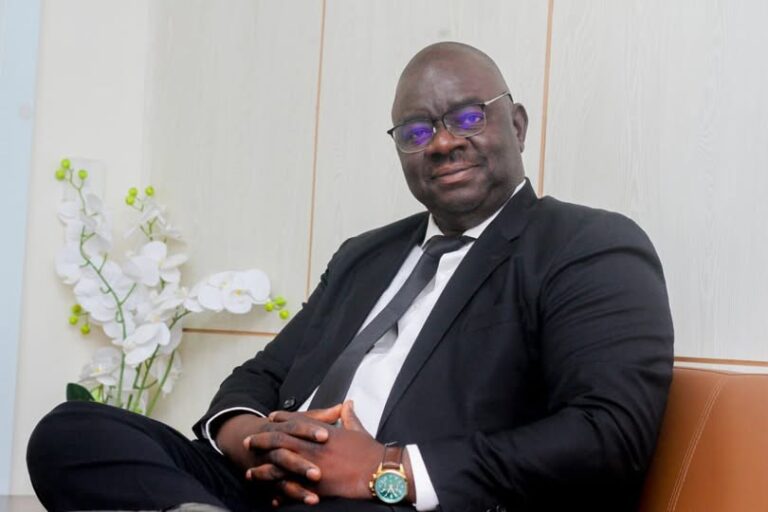
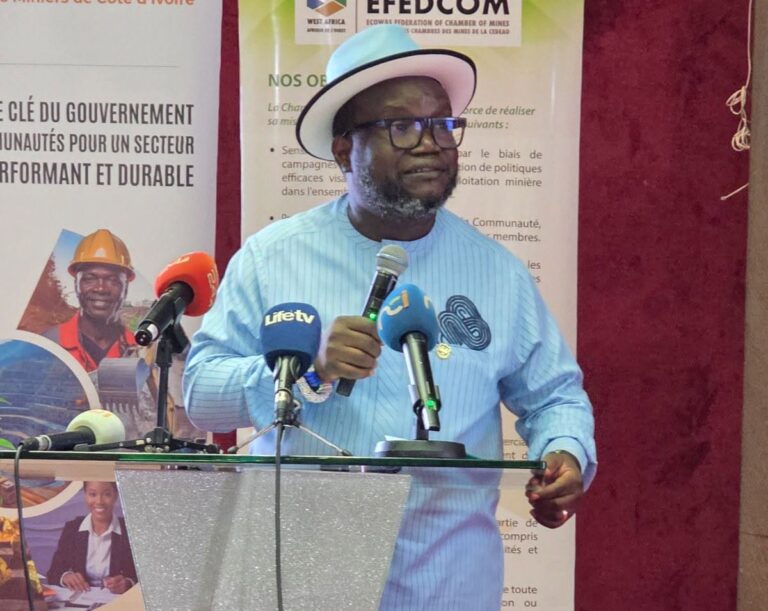
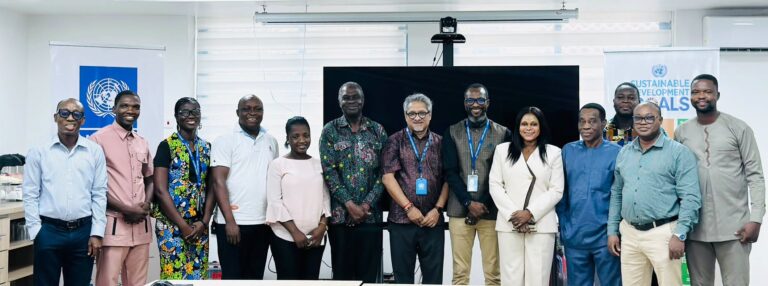
Acting CEO of Ghana Chamber Mines , Ahmed Dasana Nantogmah
Ahmed Nantogmah, Acting CEO of the Ghana Chamber of Mines, has called for more transparency and accountability in the use of mineral royalties during an interview on The Pulse on Joy News.
Speaking passionately about the development challenges in mining communities, Nantogmah stressed the importance of using royalties for tangible, long-term projects rather than routine government expenditures.
“If you use the royalty for recurrent expenditure, even for a hundred years, you’ll find nothing,” he stated. “But if you use it to build a school or hospital, the community will see the benefit.”
He proposed the establishment of a legal framework that would guide the utilization of mineral royalties, ensuring that funds allocated to communities are tied directly to specific developmental projects such as education, health, or infrastructure.
Nantogmah was firm in saying that while mining companies have a role in supporting development, the responsibility ultimately lies with government.
“Community development is the purview of government. We will support, but we cannot take the place of government,” he emphasized. He noted that many communities, like those in mining-heavy areas, rely heavily on infrastructure provided by mining companies — from roads to electricity and health facilities — highlighting the need for a more collaborative and structured approach.
He cited Tarkwa as an example, where the mining boom has increased local incomes and attracted financial institutions. “The per capita income in Tarkwa is likely higher than some regions,” he said, adding that with proper planning and deliberate policies, mining could significantly transform local economies.
In closing, he urged all stakeholders to be accountable. “You don’t just take the money and blame the one that pays the taxes. Let’s also blame the person that is using the taxes. What are you using them for?”
Nantogmah’s remarks add to the growing national conversation about how Ghana can better harness its natural resources for sustainable development.
Watch the full interview in the attached video clip below