Ghana’s pathway to a cleaner energy future must be anchored in fiscal responsibility, strong local content, and inclusive development, or it risks deepening inequality and external dependence.
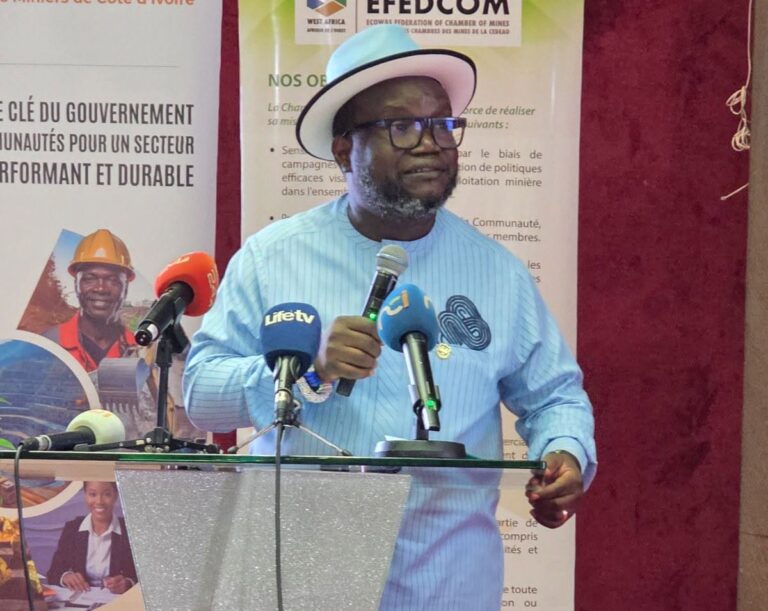
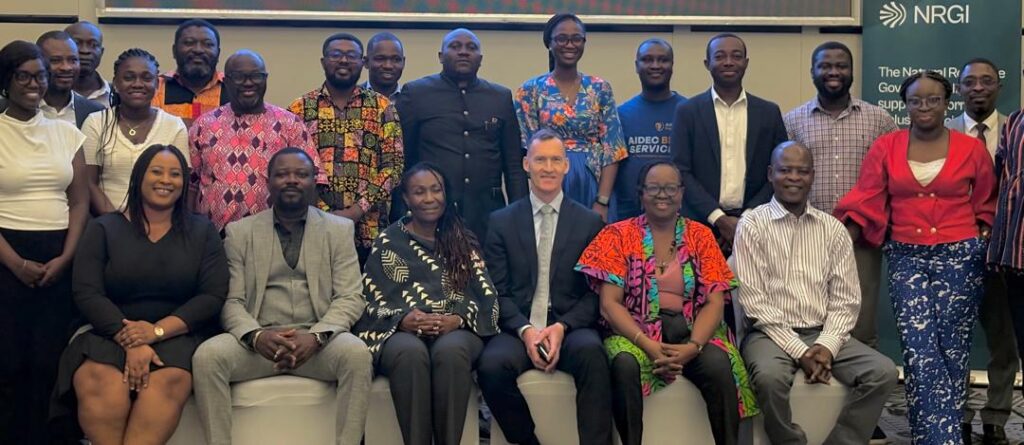
This was the core message delivered by David Sefa Adjei, Economic Analyst at the Natural Resource Governance Institute (NRGI), during a stakeholder engagement on the Assessment of Ghana’s Energy Transition Framework in Accra on Wednesday 21 May.
Speaking to policymakers, civil society, and private sector actors, Adjei laid out four key recommendations to help realign Ghana’s energy transition with principles of equity, sustainability, and national benefit.
Adjei urged the government to ensure Ghana’s Energy Transition Framework is not implemented in isolation but harmonized with the country’s broader climate commitments and development strategies.“A fragmented approach dilutes impact. Our transition must reflect coherence across climate, industrial, and fiscal policies,” he stated.
He called for a transparent and inclusive financing strategy to support the transition, cautioning against over-reliance on debt or extractive sector revenues.“We need a costed roadmap that identifies viable funding sources, defines public-private roles, and protects our fiscal health,” Adjei said.

The NRGI analyst emphasized that effective governance is the bedrock of a just transition. He recommended building robust mechanisms for public participation and accountability.“Decisions about Ghana’s energy future cannot be left to a few institutions. Communities, workers, and civil society must have a seat at the table,” he insisted.
Adjei stressed that renewable energy investments must generate jobs and skills locally.
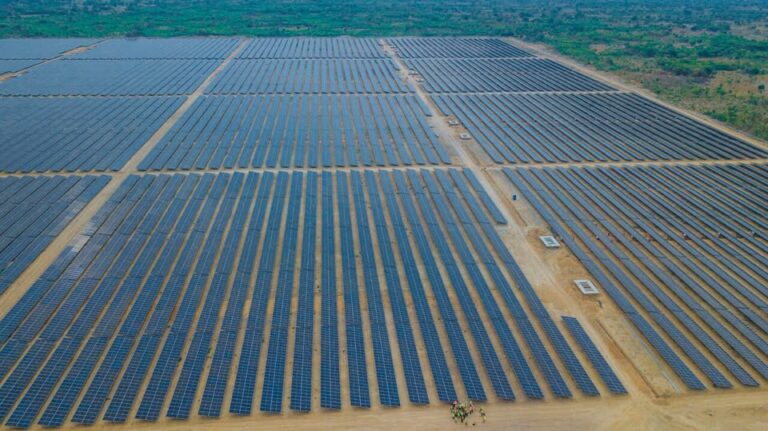
He proposed targeted reforms to enhance domestic manufacturing, technology transfer, and capacity building.“If solar panels and batteries are all imported and installed by foreign firms, the energy transition becomes another missed opportunity for Ghanaian industry,” he warned.
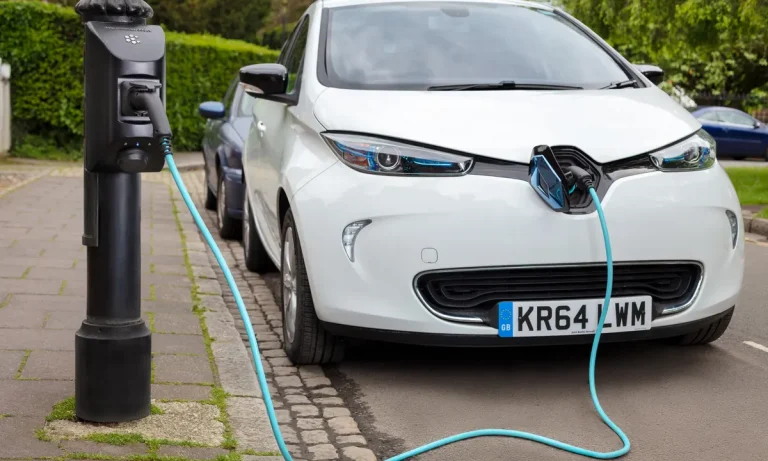
The stakeholder forum, convened by development and energy sector actors, reviewed progress on Ghana’s transition efforts, particularly around power generation, clean cooking, and electric mobility. However, Adjei’s interventions cut through the technical focus, grounding the discussion in socioeconomic realities.
His recommendations echoed a growing consensus: that Ghana’s energy transition must be more than a climate response—it must be a catalyst for inclusive growth, fiscal resilience, and national empowerment.