Emelia Arthur
In a landmark decision this afternoon, Ghana’s Parliament ratified the World Trade Organization (WTO) Agreement on Fisheries Subsidies, signaling a renewed national commitment to curbing illegal, unreported, and unregulated (IUU) fishing and promoting sustainable fisheries management.
The ratification, advanced through a joint memorandum by Emelia Arthur, Minister for Fisheries and Aquaculture, and Elizabeth Ofosu-Adjare, Minister for Trade, Agribusiness and Industry, marks Ghana’s formal endorsement of a global agreement adopted at the 12th WTO Ministerial Conference in Geneva in June 2022.
The WTO Fisheries Subsidies Agreement aims to eliminate harmful subsidies that contribute to overfishing and IUU practices, particularly in high seas and waters where fish stocks are overexploited or poorly managed. The agreement includes prohibitions on subsidies linked to IUU fishing and the exploitation of overfished stocks, while granting transitional periods for developing countries such as Ghana.
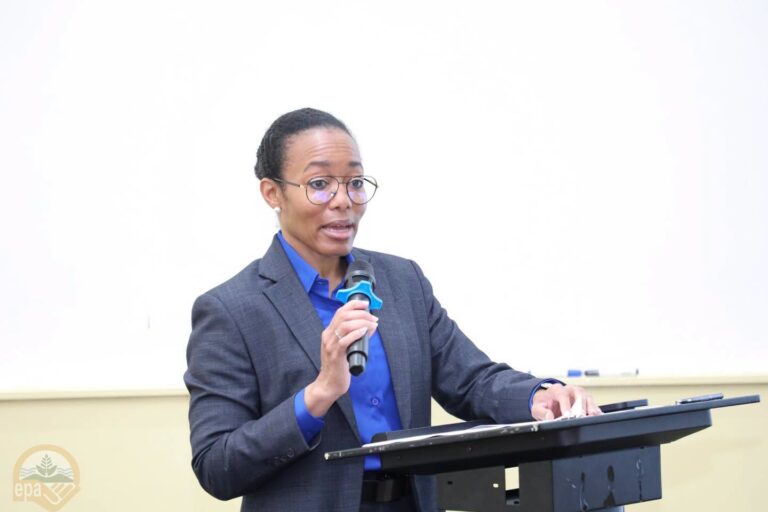
Speaking on the decision, Emelia Arthur stated:“The ratification of this Agreement aligns with Ghana’s Marine Fisheries Management Plan (2022–2026), our national blueprint to restore marine fish stocks, enhance data collection, and improve enforcement. It also supports our broader efforts to build a resilient, equitable fisheries sector.”
Ghana’s fisheries sector remains a vital pillar of the national economy, providing livelihoods for millions and contributing significantly to food security, nutrition, and foreign exchange earnings. However, the sector faces mounting challenges, including declining fish stocks, fleet overcapacity, and environmental degradation.
The ratification comes at a pivotal moment, as the Ministry of Fisheries and Aquaculture prepares to implement Marine Protected Areas (MPAs), a key strategy to replenish depleted fish stocks and sustain the livelihoods of coastal communities.
According to the memorandum submitted to Parliament, ratifying the WTO Agreement is not only a constitutional requirement for international treaties but also a strategic move to level the playing field for Ghana’s artisanal and semi-industrial fishers. These local operators face stiff competition from heavily subsidized industrial fleets from countries such as China, Japan, and those in the European Union.
The agreement also positions Ghana to advance its commitment to the United Nations Sustainable Development Goal (SDG) 14.6, which calls for the elimination of harmful fisheries subsidies by 2025.
Following parliamentary approval, the Ministry of Fisheries and Aquaculture will transmit the Assent document to the WTO Secretariat to formalize Ghana’s commitment. The Ministry has also pledged to integrate the Agreement’s provisions into national legislation through ongoing reforms to Ghana’s fisheries legal framework.