Gold Fields has outlined a range of environmental, biodiversity and water-management measures at its Tarkwa Mine, including about US$46 million invested in progressive rehabilitation since 2016.
The company said the rehabilitation programme is undertaken alongside mining activities and includes reforestation, biodiversity restoration and the conversion of rehabilitated areas into productive agricultural land for community use.
According to Gold Fields, the Tarkwa Mine has planted 818,595 trees across rehabilitated areas since 1998.
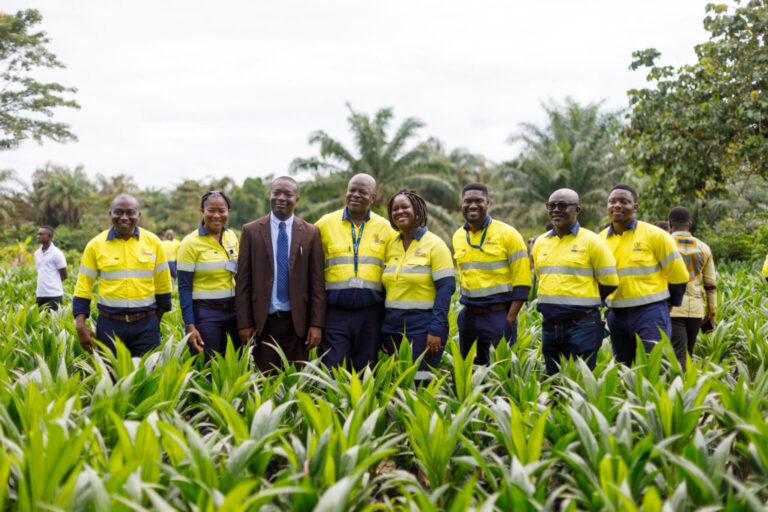
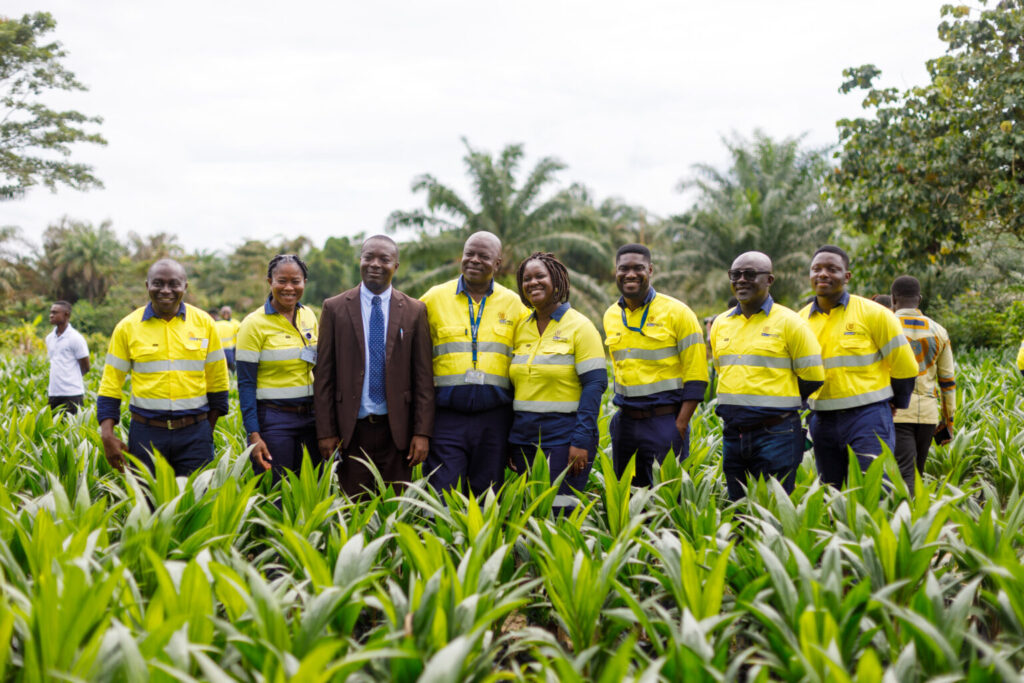
The company said it has also established perennial tree crop plantations on decommissioned waste rock dumps and a tailings storage facility. The crops include Para Rubber, Coconut, Citrus, Mango, Cashew and Oil Palm.
Gold Fields said the plantations have the potential to provide economic value and financial support to stakeholder communities within the Tarkwa catchment area after mine closure.
The company said Tarkwa Mine’s environmental performance is subject to internal monitoring, independent external assurance, certification processes and regulatory oversight.
It said the mine has maintained ISO 14001 Environmental Management System certification for 23 consecutive years and International Cyanide Management Code certification for 18 years.
Gold Fields said biodiversity conservation is also incorporated into the mine’s environmental management framework through a Biodiversity Management Plan.
The plan focuses on protecting critical habitats, conserving species of conservation significance, restoring disturbed ecosystems and monitoring biodiversity performance.
Gold Fields said biodiversity assessments conducted within the mining lease have identified seven globally threatened flora species, including Heritiera utilis, Lophira alata, Nauclea diderrichii, Milicia excelsa, Cola umbratilis, Placodiscus bancoensis and Placodiscus pseudostipularis.
The assessments also recorded 15 fauna species of conservation concern, including the endangered Tree Pangolin (Phataginus tricuspis), as well as the Mona Monkey, Bosman’s Potto, Maxwell’s Duiker, Royal Antelope and African Palm Civet.
The company said the findings indicate that the Tarkwa concession continues to retain biological value despite the extent of modification associated with mining activities.
Gold Fields said it is increasing the use of camera-trap technology to strengthen wildlife monitoring and ecological data collection at the mine.
According to the company, camera traps provide photographic evidence of species occurrence and habitat use and can help identify wildlife movement corridors, habitat preferences and changes in species activity over time.
Gold Fields said the technology complements conventional biodiversity surveys and is contributing to a stronger evidence base for conservation planning and operational decision-making.
The company also disclosed that Tarkwa Mine’s closure liability was estimated at US$107.2 million as of December 2025, while its reclamation bond stood at US$107.7 million.
It said the closure liability is reviewed annually and the reclamation bond adjusted in accordance with the Reclamation Security Agreement with the Government of Ghana through the Environmental Protection Authority (EPA).
Gold Fields said the arrangement is intended to ensure that financial resources are available to meet rehabilitation and reclamation obligations when the mine closes.
Water management is another key component of the mine’s environmental programme, with Gold Fields saying it prioritises avoiding impacted water discharges into the external environment, reducing freshwater abstraction and increasing water reuse and recycling.
The company said Tarkwa Mine currently reuses or recycles more than 97% of its total water consumption through water treatment facilities and other water-management initiatives.
Gold Fields said the measures form part of its broader approach to environmental, social and governance requirements and responsible mining at Tarkwa.