Ghana’s newly formed Ghana Gold Board (GoldBod) is already proving to be a game-changer in the nation’s economic recovery efforts, with its early operations credited for bolstering the Ghanaian cedi through gold reserve accumulation.
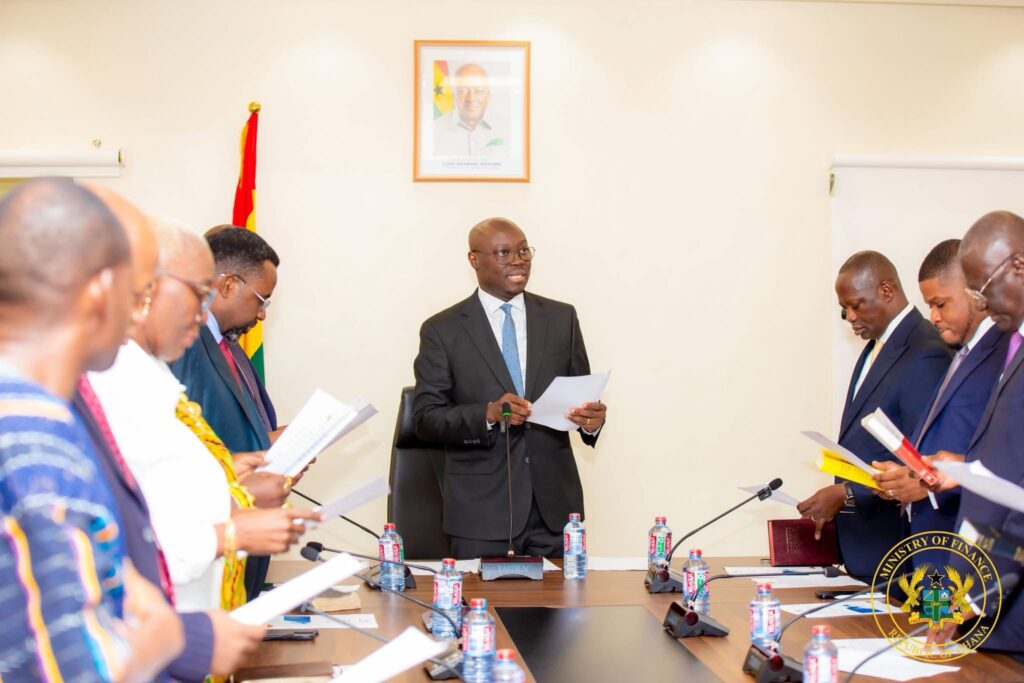
Finance Minister Dr. Cassiel Ato Forson, in his remarks at the inauguration of the GoldBod’s Board of Directors, announced that the institution has “already begun to fulfill its object” and has made “immense contributions to the recent stability of the Ghana Cedi.”
The Minister’s statement underscores growing optimism around GoldBod’s mandate as the exclusive buyer and assayer of gold in Ghana, particularly from the small-scale mining sector. By centralizing gold purchases under one state-backed authority, the GoldBod has been able to streamline reserves accumulation—a key factor in Ghana’s monetary strategy.
The development comes at a time when the Ghana cedi is enjoying a historic rally. As of May 13, 2025, the cedi had appreciated by 16.7% year-to-date against the U.S. dollar, making it the best-performing currency in the world. According to Dr. Forson, this performance has not occurred in isolation but is the result of a synchronized approach to monetary and fiscal policy, strengthened further by enhanced foreign exchange inflows from gold, cocoa, and remittances.
While praising the work done so far, the Finance Minister emphasized that the GoldBod’s role is not merely administrative—it is transformative. Its operations, he said, signal a fundamental shift in how Ghana manages its gold resources and foreign exchange, paving the way for greater economic stability and self-reliance.
“The GoldBod has already begun to fulfill its object and has contributed immensely to the recent stability of the Ghana Cedi through gold reserve accumulation,” Dr. Forson stated.
The positive economic indicators, coupled with record-high foreign exchange reserves at the Bank of Ghana, point to a sustainable future for the cedi, backed by institutional reforms like the establishment of the GoldBod. The Board is now expected to build on this momentum and play a central role in Ghana’s long-term economic transformation agenda.