As part of Ghana’s bold push toward a sustainable energy future, the government is set to introduce electric vehicles (EVs) into its official transport fleet, starting with ministers and heads of state agencies.
The announcement was made by the Minister for Energy and Green Transition, John Abdulai Jinapor, during a media engagement held on Wednesday as part of the Government Accountability Series.
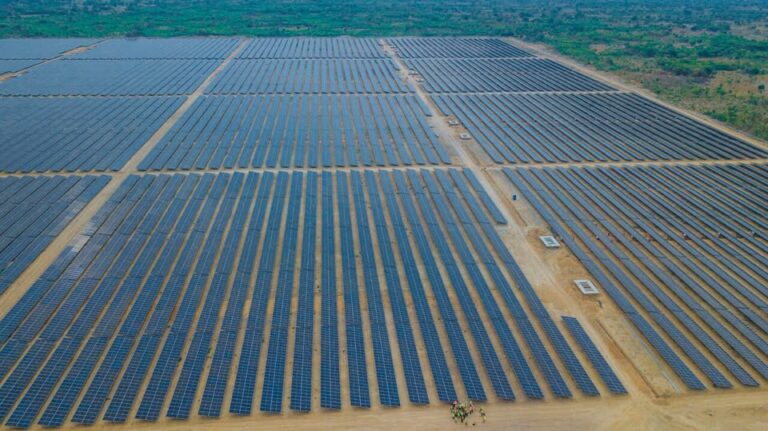
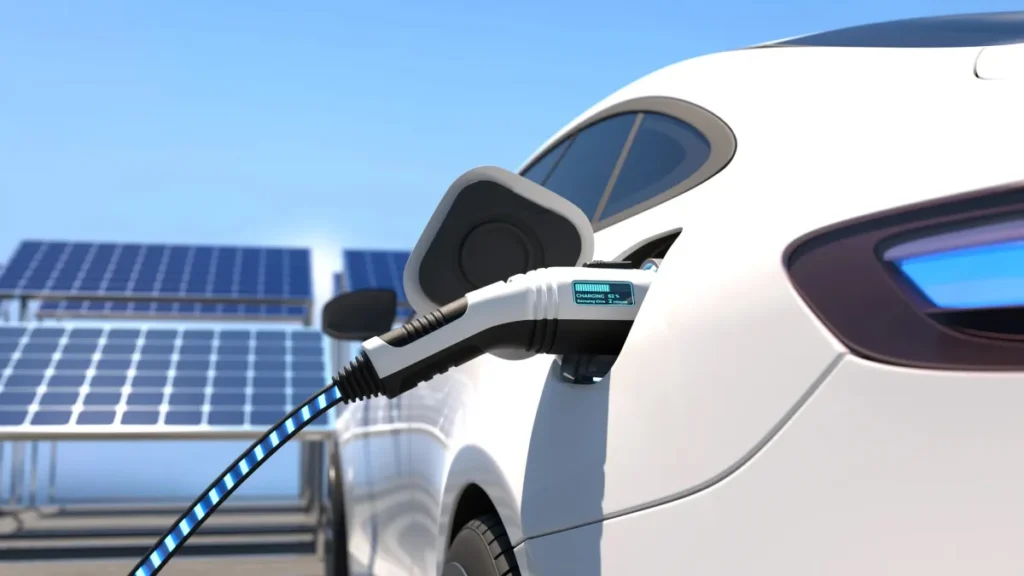
Hon. Jinapor revealed that the first batch of EVs intended for government use has already been procured, and the rollout is expected to begin soon. He disclosed that he had personally commissioned the first EV charging station at the Energy Commission, powered entirely by solar energy.
“Very soon, you’ll see ministers driving electric vehicles,” he said. “We are rolling this out to department heads, some of whom are already here. These EVs will be powered by solar, helping us reduce our carbon footprint and electricity costs.”
The move, he said, forms part of a broader Electric Vehicle Promotion Program, launched just weeks ago, which will eventually extend to commercial drivers and the wider public through partnerships with the private sector.
The Minister emphasized that the transition to EVs is a key component of Ghana’s green energy agenda, which also includes rooftop solar installations for public institutions and a broader shift to renewable energy sources.
“This year, we are developing a five-year strategic framework to guide the implementation of renewable energy and our green transition goals,” he stated. “It will serve as the national blueprint as we move towards sustainable energy development.”
In addition to reducing dependence on fossil fuels, the government sees the EV initiative as a cost-saving mechanism. By replacing fuel-powered vehicles with electric alternatives, public institutions stand to save significantly on both fuel and electricity bills.
The Minister also noted the importance of shifting electricity demand patterns. By introducing solar-powered EV charging stations, particularly for non-peak hours, Ghana could shave off as much as 200 to 300 megawatts from national peak demand — a move that contributes to system efficiency and energy resilience.
With Ghana positioning itself as a regional leader in climate action and renewable energy adoption, the EV initiative signals a new chapter in public sector modernization — one where climate-conscious governance becomes the new normal.
Listen to John Jinapor in the attached audio clip below: