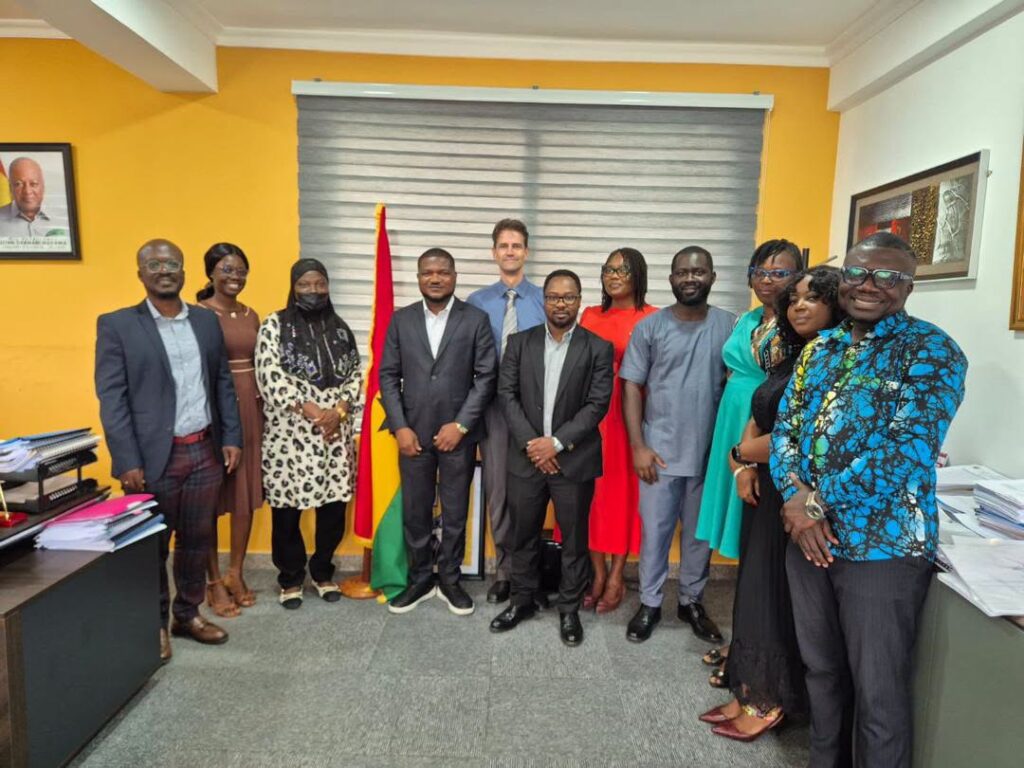
The Minerals Commission has begun discussions with three universities in Ghana and Germany on developing technical and academic frameworks to support efforts to combat illegal mining and improve artisanal and small-scale mining (ASM) practices.
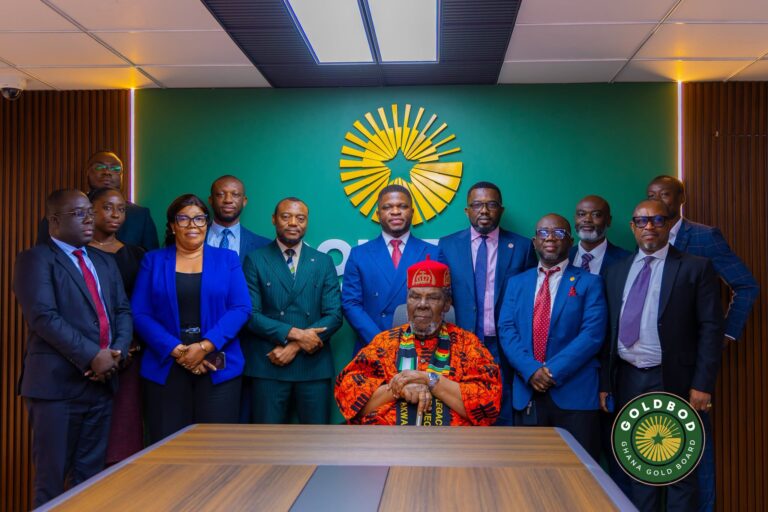
The Chief Executive Officer of the Minerals Commission, Isaac Tandoh, held discussions with representatives of the University of Mines and Technology (UMaT), Tarkwa; the University of Environment and Sustainable Development, Somanya; and Germany’s Technische Universität Bergakademie Freiberg at the Commission’s offices in Accra.
The proposed collaboration is being developed under the Market Entry Program (MEP), with support from the German Federal Ministry for Economic Affairs and Climate Action, and is intended to promote technology transfer and technical cooperation in Ghana’s mining sector.
The initiative will focus on three areas: skills training within the ASM value chain to support youth participation and formalisation, post-mining land restoration, and the development of sustainable ASM models for Ghana’s community mining scheme.
Mr Tandoh said the partnership would combine academic research, innovation and regulatory oversight to develop practical responses to illegal mining and other challenges facing the sector.

“This partnership underscores our commitment to harnessing academic expertise in tackling the complex challenge of illegal mining. By combining research, innovation and regulatory oversight, we aim to build sustainable solutions for Ghana’s mining sector,” he said.
A five-member working committee will be established to examine the proposed collaboration and facilitate its implementation.
The delegation was led by Prof. Dr. Ing. Martin Kressner, who expressed support for the initiative and said he looked forward to contributing technical expertise to the project.
The Minerals Commission said the collaboration forms part of efforts to strengthen mining governance, promote responsible mining and support the restoration of degraded landscapes.