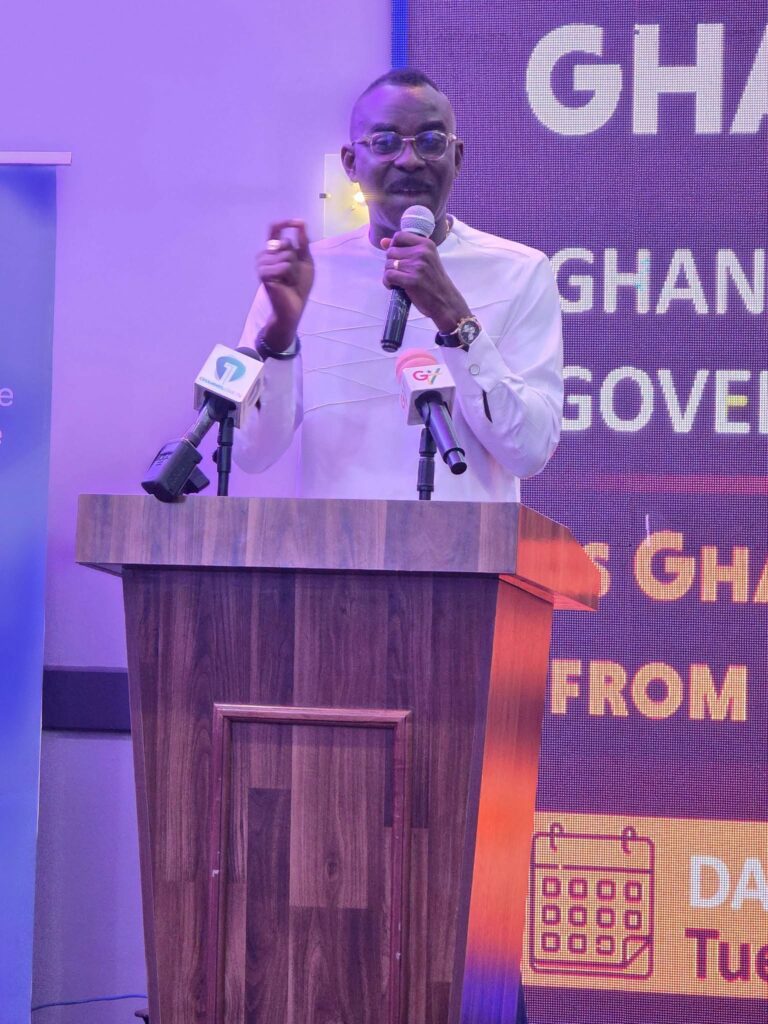
Professor Godfred Bokpin, a Finance Professor at the University of Ghana, has called for a comprehensive review of Ghana’s extractive sector policies to ensure the country gains maximum benefits from its natural resources.
Speaking on TV3 on Thursday, he emphasized that Ghana earns significantly less from its extractive sector compared to other resource-rich nations and warned that time is running out to implement necessary reforms.
Prof. Bokpin noted that while the government has increased corporate taxes on large-scale mining companies from 1% to 3% due to soaring gold prices, Ghana still lags behind in revenue generation from its natural wealth.
“If you look at how much Ghana earns from the extractive sector compared to the full value chain, we are one of the lowest earners,” he stated. “Nigeria is making over 50% from its extractive sector, South Africa earns more than 48%, yet Ghana is only getting around 19.3%.”
He attributed this disparity to an outdated fiscal regime, explaining that many of the taxes introduced in the past were meant to be temporary but have remained unchanged, failing to optimize Ghana’s share of resource revenue.
“The challenge in Ghana is that these taxes come in as temporary measures to correct imbalances, but they often assume a permanent status, creating policy uncertainty,” he explained.
Prof. Bokpin stressed that Ghana must take a long-term approach to resource management, ensuring that the wealth generated from mining benefits the nation before the resources are exhausted.
“These resources are finite. A time will come when they will no longer be there,” he warned.
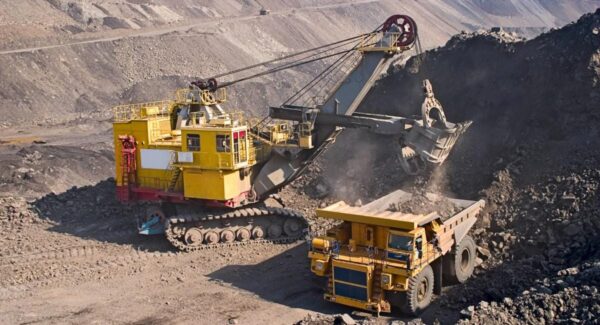
Beyond financial concerns, he also expressed worry over the environmental destruction caused by both legal and illegal mining operations, which he described as “irresponsible mining.” He cautioned that without proper management, Ghana risks not only losing its resources but also facing severe ecological consequences.
“With all the destruction that comes along with mining—especially illegal mining—we must rethink how we manage our natural wealth,” he urged.