India fuel
The cost of living in UK surged by 4.2% in October – the highest rate in almost 10 years – due to rising fuel and energy costs, according to new data.
The consumer price index measure of inflation is now more than double the Bank of England’s target.
The costs of transport, gas and electricity bills and second hand cars all climbed, the Office for National Statistics said.
Inflation has risen since the economy reopened after the Covid lockdown.
The Bank of England has said it may have to increase interest rates “in the coming months” to tackle the problem.
October’s reading is far higher than the 3.1% rise recorded in the year to September and ahead of economists’ forecasts.
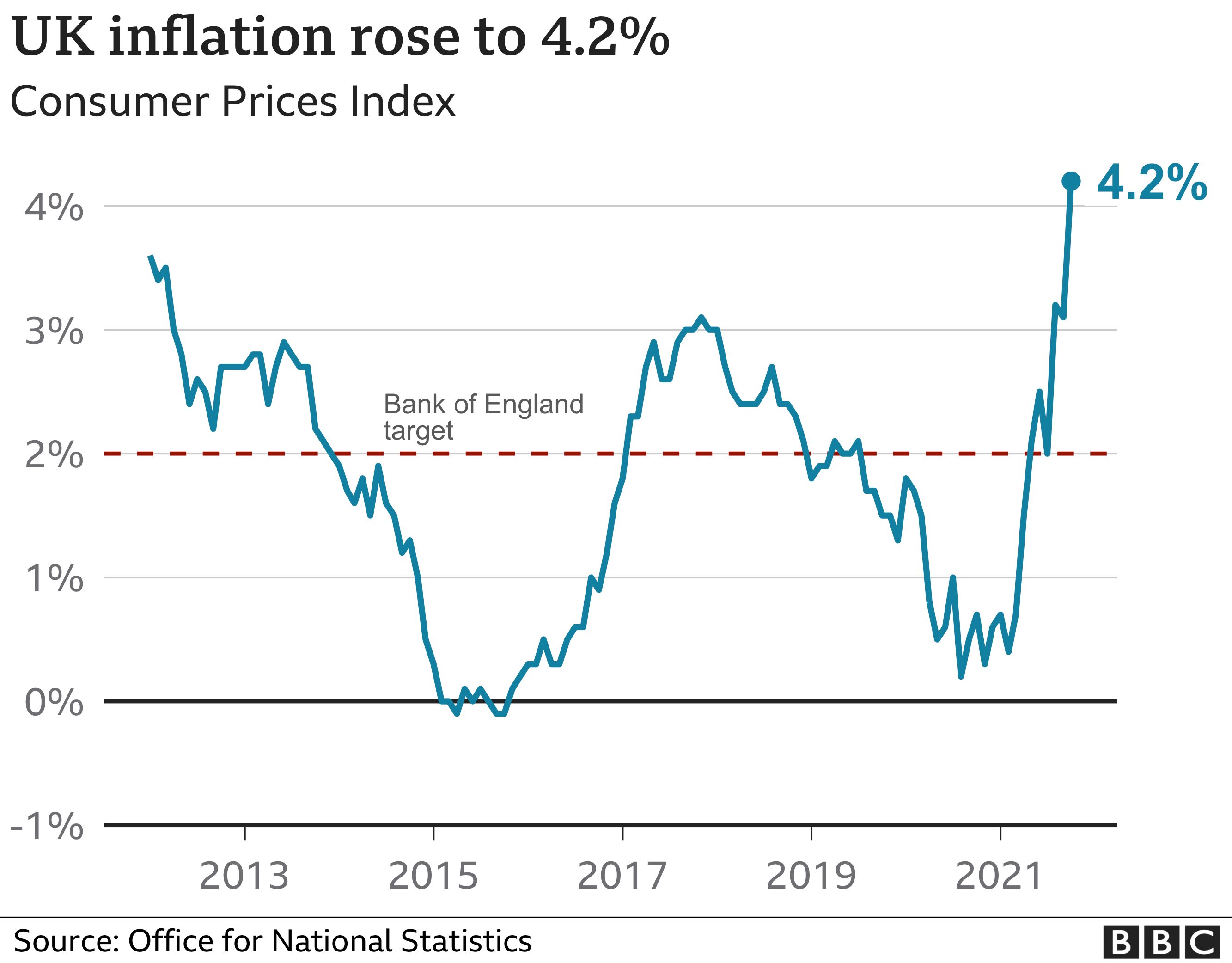
Grant Fitzner, chief economist at the ONS, said: “Inflation rose steeply in October to its highest rate in nearly a decade.
“This was driven by increased household energy bills due to the price cap hike, a rise in the cost of second-hand cars and fuel as well as higher prices in restaurants and hotels.
“Costs of goods produced by factories and the price of raw materials have also risen substantially and are now at their highest rates for at least 10 years.”
Sir John Gieve, a former member of the Bank of England’s Monetary Policy Committee, said the 4.2% inflation rate was “a little bit higher than the Bank and most forecasters were expecting”.
“The key point is that it’s not thought to be a one-off,” he told the BBC’s Today programme.
“The Bank and other forecasters expect it to rise right the way through to April, to around 5%, and then to stay well above target for the rest of the year. So this isn’t really a blip, this is quite a marked trend.”
Energy bills
The ONS said household energy bills were the biggest driver of inflation after the regulatory price cap on domestic gas and electricity was increased last month.
Gas bills rose by 28.1% in the year to October, while electricity climbed by 18.8%.
Petrol prices were also sharply higher amid a surge in global oil prices. Average pump prices were 138.6p per litre in October – the highest since September 2012 and up 25.4p since last year.
The ONS also singled out the rising cost of second-hand cars, which stems from a global microchip shortage that has slowed the production of new vehicles, pushing up demand for older models.
Used car prices are up by 27.4% since April this year.
Earlier this month, Bank of England governor Andrew Bailey apologised for the rising prices and warned inflation could climb as high as 5%.
Most analysts now expect the Bank to increase interest rates from their current historic lows at its next meeting in December.
“Today’s inflation data will reinforce the Bank of England’s resolve to act,” said Yael Selfin, chief economist at KPMG UK.