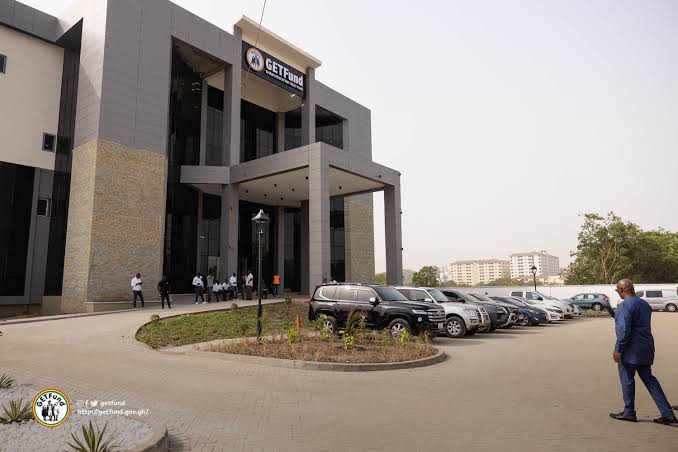
The Ghana Education Trust Fund (GETFund) recorded a GH¢4.13 billion net profit in 2025, representing a 24.55% increase over the GH¢3.31 billion surplus recorded in 2024, according to the 2025 State Ownership Report by the State Interests and Governance Authority (SIGA).
The report said GETFund’s total income rose by 36.01% to GH¢9.80 billion in 2025, from GH¢7.20 billion in 2024.
The increase was driven largely by operating revenue, which more than doubled by 112.26%, from GH¢4.62 billion in 2024 to GH¢9.80 billion in 2025. Other income, however, fell sharply from GH¢2.54 billion to GH¢0.23 million.
GETFund’s total expenditure increased by 43.84% to GH¢5.60 billion during the year, largely reflecting a rise in social benefits, which increased by 49.27% to GH¢5.44 billion.
Despite the higher expenditure, the Fund’s surplus increased by more than GH¢813 million year-on-year.
The report also showed a significant improvement in GETFund’s financial position. Total assets increased from GH¢2.48 billion in 2024 to GH¢6.11 billion in 2025, while total equity rose from GH¢1.10 billion to GH¢5.23 billion.
GETFund’s total debt and liabilities also declined from GH¢1.38 billion to GH¢881.53 million, while interest-bearing liabilities fell from GH¢333.91 million to GH¢235.78 million.
Its debt-to-asset ratio dropped from 56% to 14%, reflecting what SIGA described as deliberate deleveraging and improved liability management.
Liquidity also strengthened considerably, with the Fund’s current ratio rising from 2.14:1 in 2024 to 8.92:1 in 2025. Current assets increased by 158.79% to GH¢5.90 billion, while current liabilities declined by 37.87% to GH¢661.23 million.
SIGA, however, cautioned that GETFund’s liabilities remain predominantly short-term, exposing the Fund to potential creditor and liquidity risks.
The report further noted that GETFund did not report any important activities, quasi-fiscal activities or climate-smart investments for 2025.
Overall, SIGA described the Fund’s 2025 performance as a strong fiscal outturn, citing improved revenue mobilisation, expenditure management, liquidity and balance-sheet strength.