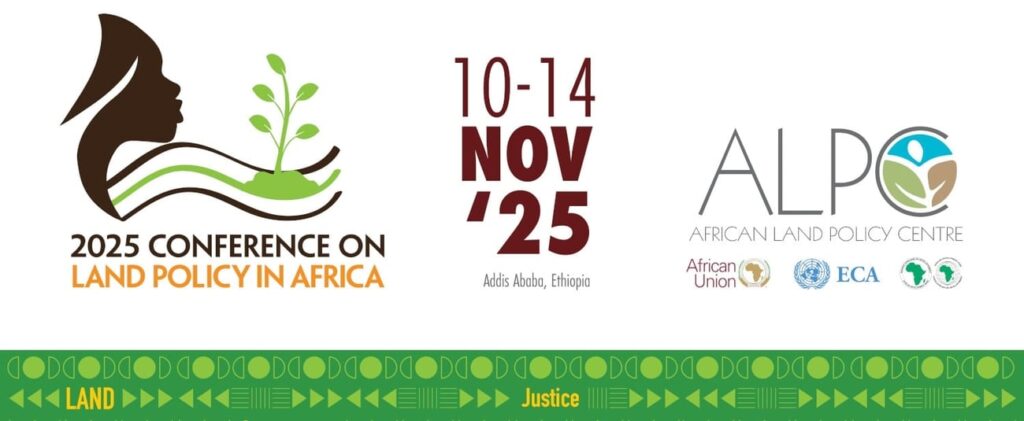
The United Nations Economic Commission for Africa (ECA), the African Union Commission (AUC), and the African Development Bank Group (AfDB) will jointly host the Sixth Conference on Land Policy in Africa (CLPA) from November 10 to 14, 2025, at the United Nations Conference Centre in Addis Ababa, Ethiopia.
The event will be held both in-person and virtually to accommodate a wide range of participants across the continent and beyond.
This year’s conference is themed “Land Governance, Justice and Reparations for Africans and Descendants of People of the African Diaspora.”
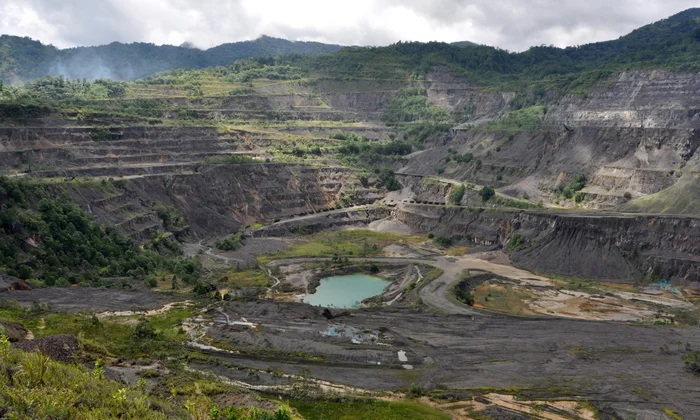
It will explore how Africa can advance justice and reparative measures in land ownership, access, and governance—addressing the enduring legacy of colonialism that led to widespread land dispossession, resource exploitation, and the erosion of indigenous systems.
The organisers say the 2025 CLPA aims to deepen dialogue on equitable land reform and foster innovative approaches that ensure inclusive land governance and sustainable development.
“The colonial system facilitated the subjugation and brutalization of African people,” a concept note from the organisers states. “Their fertile and productive lands were alienated, their resources pillaged, and their heritage looted by explorers and private collectors.”
According to the statement, post-colonial inequalities continue to persist, as descendants of colonizers retain significant control over land and natural resources, while historically marginalized communities face barriers to ownership and access.
The 2025 CLPA will focus on key themes such as emerging best practices in responsive land policies, effective and transparent governance systems, and data-driven monitoring and evaluation of land reforms.
Cross-cutting issues including youth empowerment, gender equality, climate change, agriculture, and reparations will also be central to discussions.
The CLPA has over the years evolved into Africa’s premier platform for dialogue on land governance—bringing together policymakers, researchers, civil society, and traditional authorities to advance sustainable land management practices across the continent.