The Concerned Citizens of Atewa Landscape (CCAL), under the Sustainable Minerals Governance Programme sponsored by the European Union through A Rocha Ghana and the BRACE Project, successfully organized a high-impact community engagement forum at Pameng Community on June 16, 2026.
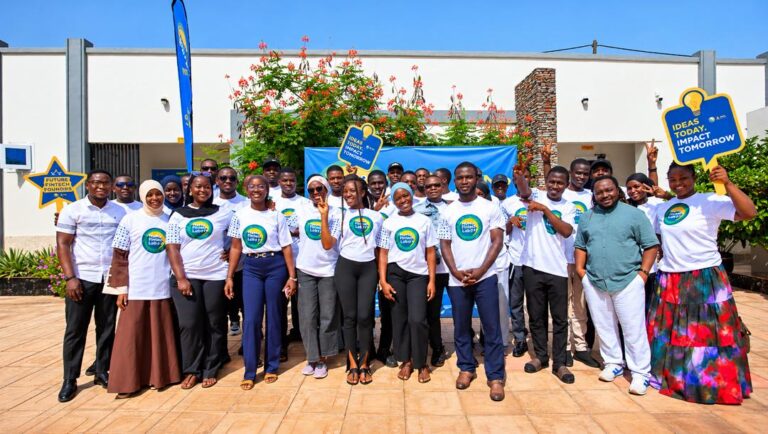
The event brought together a broad cross-section of stakeholders, including community members, traditional authorities, opinion leaders, youth groups, women representatives, local farmers, and key government regulatory agencies responsible for environmental governance and natural resource management.
The impressive turnout reflected the growing interest in environmental protection, responsible mining, and sustainable development within the Atewa Landscape.

The engagement provided a unique platform for direct interaction between community members and representatives of the Water Resources Commission (WRC), Forestry Commission (FC), and Minerals Commission (MC). Participants were given the opportunity to voice their concerns, seek clarification on pressing environmental issues, and contribute to discussions on the future of their natural resources.
One of the major highlights of the event was the active participation of community opinion leaders, who raised critical concerns about the management of forest resources, the restoration of degraded farmlands, and the alarming diversion and pollution of rivers and streams within the community. Community members also expressed concern about the impact of mining activities on agricultural productivity, water quality, biodiversity conservation, and the livelihoods of future generations.
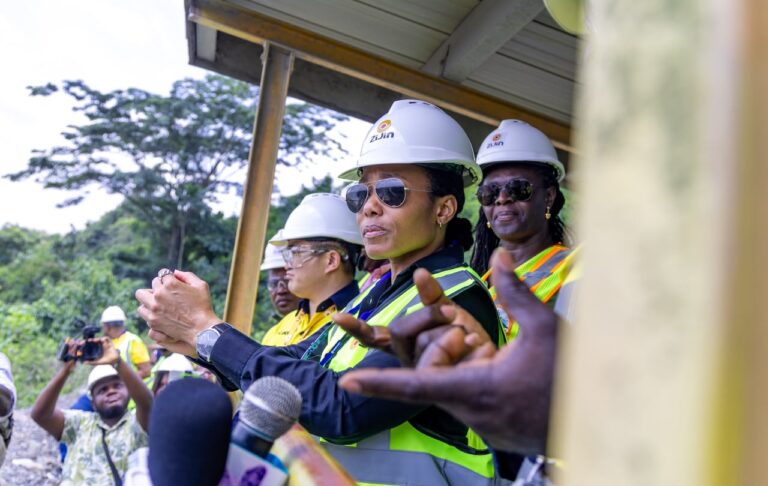
Leading the Minerals Commission delegation, Ing. Regina Abbey, Principal Inspector of Mines (Environment) at the Minerals Commission in Koforidua, delivered an insightful and highly engaging presentation on mining operations and environmental compliance. Her extemporaneous delivery captivated participants and demonstrated the Commission’s commitment to transparency and public education.

She comprehensively addressed questions relating to Ghana’s mining laws and regulatory framework, mining permit acquisition processes, environmental reclamation and restoration requirements, compensation procedures for affected landowners, the rights and responsibilities of community members, the responsibilities of duty bearers and regulatory institutions, and community participation in environmental monitoring and reporting.
Her responses clarified several misconceptions and empowered community members with the knowledge needed to effectively engage duty bearers and mining operators.
The Regional Training Officer of the Water Resources Commission also delivered an impactful presentation focusing on water resource protection, river conservation, and the dangers associated with illegal mining activities near water bodies. He patiently addressed participants’ questions and emphasized the collective responsibility of citizens, government agencies, and traditional leaders to safeguard water resources for present and future generations.
The open forum session proved to be one of the most valuable components of the programme. Community members openly shared their experiences, concerns, and recommendations, while government agencies responded directly to issues affecting the area. The discussions fostered mutual understanding, accountability, and trust between citizens and state institutions.
Beyond information sharing, the event strengthened the voices of local people and reinforced the principle that communities must be active participants in decisions affecting their environment and livelihoods. Participants left the meeting with a renewed sense of responsibility and a deeper understanding of their rights and roles in environmental governance.
CCAL believes that sustainable development can only be achieved when communities are informed, empowered, and equipped to participate meaningfully in natural resource governance.
Through engagements such as this, the organization continues to build the capacity of local people to advocate for environmental justice, responsible mineral extraction, and the protection of critical ecosystems within the Atewa Landscape.