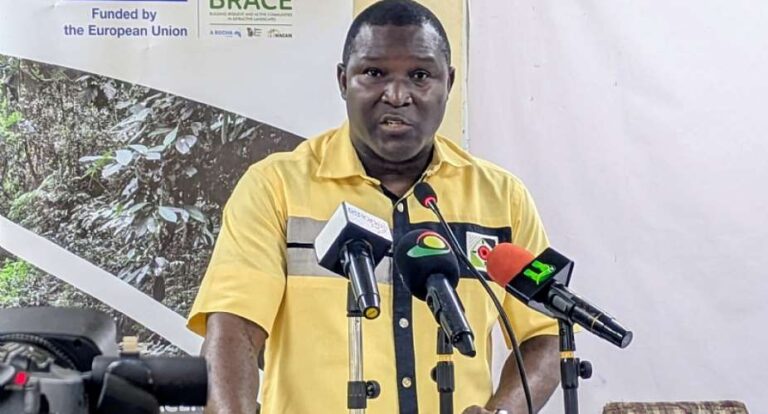
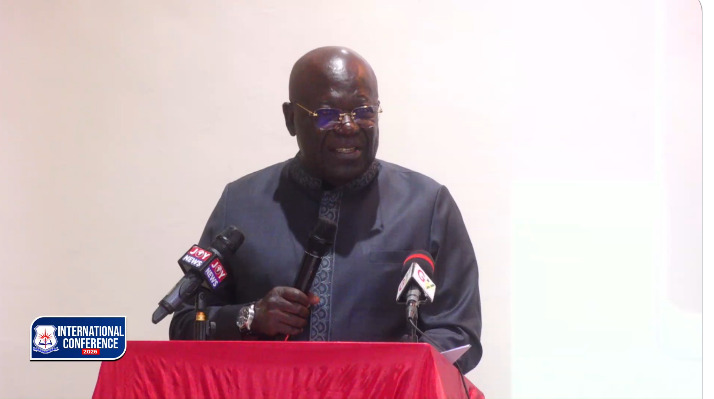
Ahmed Dasana Nantogmah
The Acting CEO of the Ghana Chamber of Mines, Ahmed Nantogmah, has cautioned against any perception of a shift toward the nationalization of Ghana’s mining sector, following the government’s decision not to renew the mining lease of a major operation—widely believed to be the Damang Mine.
Speaking on Upfront on Joy News on Thursday, April 17, Nantogmah stated that while the Chamber respects the state’s ownership of mineral resources, the sudden turn of events surrounding the lease raises serious concerns about policy certainty, investor confidence, and the future of private capital in Ghana’s mining sector.
“If that’s government policy to nationalize, then you need to tell the investor: ‘Look, we want to nationalize our mines,’” Nantogmah said. “You discuss it. If people are interested in staying, they will stay. If they want to leave, they will leave.”
He emphasized that, so far, government has not declared any broad nationalization policy, and the situation involving the Damang Mine appears to be a “one-off” case. However, he stressed the need for clear communication and reassurance, given the potential ripple effects on investor sentiment.
“Nationalization hasn’t worked anywhere. There are a lot of factors involved,” he cautioned. “If you nationalize this one, then who is going to come in and say, ‘If I go to Ghana, will my investment be taken away from me?’ That perception is real.”
Nantogmah also highlighted the capital-intensive nature of mining, pointing out that many companies invest over $1 billion to develop a single mine. Any uncertainty around lease renewals or ownership transfers, he argued, could threaten the flow of much-needed foreign direct investment into Ghana’s extractive sector.
He confirmed that the Chamber is engaging the government to seek clarity on whether the Damang case is an isolated matter or indicative of a broader policy shift. “We are talking to government to get the assurance—is this just peculiar to this mine, or is this a new direction?” he said.
Addressing broader economic pressures, Nantogmah acknowledged the role of gold in Ghana’s current macroeconomic strategy, including initiatives like Gold-for-Oil and Gold-for-Reserves. While he recognized the fiscal challenges facing the country, he warned against a slide into resource nationalism under the guise of economic management.
“Everybody wants certainty and predictability in their laws,” he said. “Once it is there, you will see that you have a stable investment climate.”
The Chamber’s comments come amid ongoing public and private debate over the future of mining governance in Ghana, a country that remains Africa’s leading gold producer and a critical player in the global minerals market.