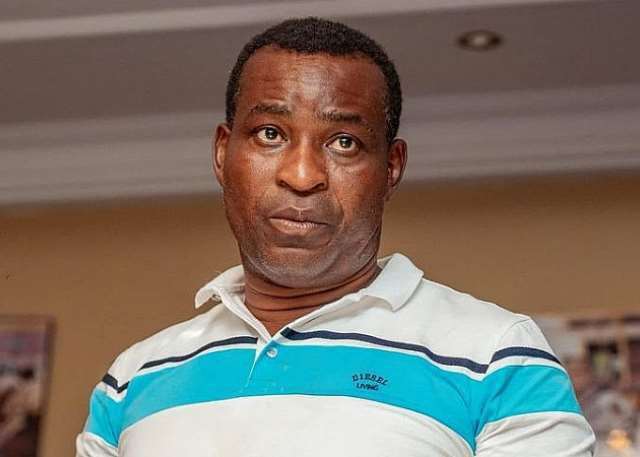
John Mahama
President John Dramani Mahama has urged African nations to shift decisively from an extractive economic model to one anchored in value addition and innovation, if the continent is to overcome its persistent debt challenges.
Speaking on Monday, 12 May, at the First African Union Debt Conference in Lomé, Togo, Mahama said the current structure of Africa’s economies—centered on raw material exports—continues to deepen fiscal vulnerability and undermine sovereignty.
Describing the event as more than a technical meeting, Mahama called it a defining moment for African leadership. “Our economies must no longer be built on extraction and aid, but on innovation, value addition, and equity,” he stated. “Debt must finance opportunity—not erode dignity.”
He highlighted how much of Africa’s current debt burden has been worsened by poor governance and unproductive borrowing, particularly in countries like Ghana, which have relied heavily on debt to fund consumption rather than transformational infrastructure. He reflected on Ghana’s own experience, noting that although the country made significant fiscal gains under the HIPC and MDRI initiatives in the early 2000s, those gains were reversed through years of unchecked borrowing and fiscal mismanagement.
According to Mahama, while debt can catalyze development, it can also become a source of fragility if not tied to productive investment. “In Ghana, much of our borrowing in recent years went into budget support and consumption in a poor governance environment. We must take responsibility for the debt traps we find ourselves in,” he said.
He called for a redefinition of Africa’s approach to debt—not just reducing debt ratios, but ensuring that borrowing supports sectors like renewable energy, value-added agriculture, health, education, and industrial infrastructure that generate long-term returns and reduce dependence on commodity exports.
Mahama also warned that global financial systems and rating agencies often fail to reflect the true structural potential of African economies, and that without reforms at both national and international levels, African countries will continue to be penalized for volatility they did not create.
In closing, Mahama said Ghana remains committed to building fiscal resilience and institutional reform, but called on the rest of Africa to walk the same path with “clarity, courage, and commitment.” He urged African nations to adopt a united stance ahead of the 2025 G20 Summit to demand a fairer global financial system and to fully operationalize continental institutions like the African Monetary Fund and the Pan-African Payment and Settlement System.
“Let us redefine the African debt narrative,” he said. “Let us leave behind extraction and dependency, and build a future on value creation and shared prosperity.”