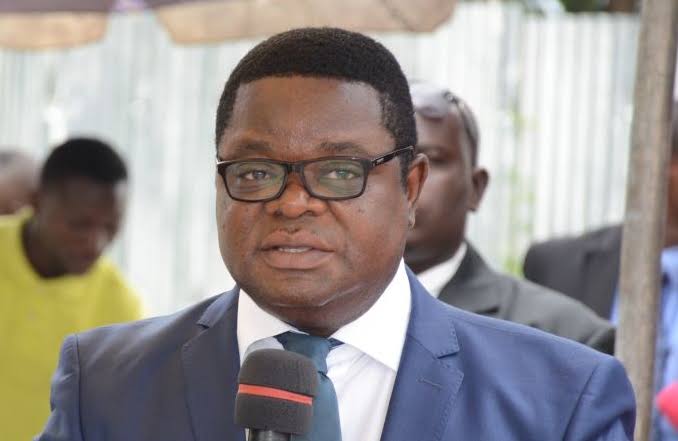
Jonathan Gokah, Coordinator of KASA Initiative Ghana
Civil Society Group, KASA Initiative Ghana has admonished journalists to prioritize climate change reporting in the country.
Climate change refers to long-term shifts in temperatures and weather patterns. Human activities have been the main driver of climate change, primarily due to the burning of fossil fuels like coal, oil and gas.
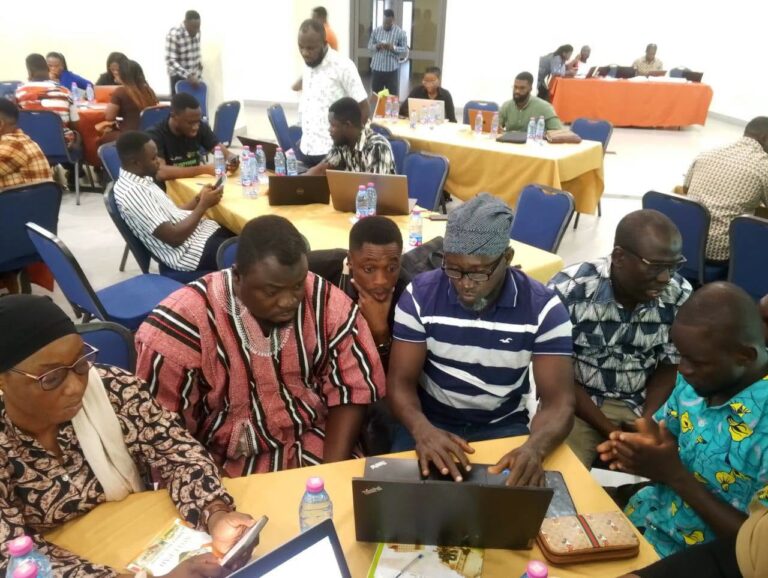
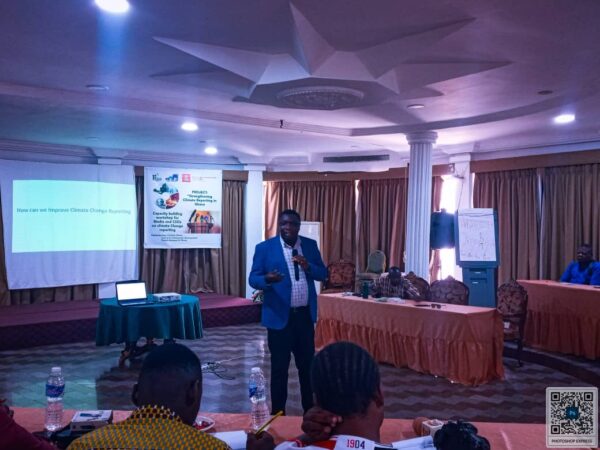
The call was made at workshop organized by KASA Initiative Ghana for journalist on Friday (25 October) aimed at empowering journalists with the skills and knowledge to prioritize and effectively report on climate change issues.
It was on the theme “Strengthening Climate Change Reporting in Ghana”
Speaking at the event, Jonathan Gokah, Coordinator of KASA Initiative Ghana, stressed the broad impact of climate change on the nation’s economy and the importance of media engagement in mitigating its effects.

“Climate change affects every sector of our economy. The more we strengthen climate change communication across our media reportage, it will go a long way to help Ghana overcome the crisis of climate change as we develop,” He said.
The workshop underscored the necessity of capacity-building for media personnel to foster deeper understanding and integrate climate-related dimensions into their reporting on economic issues.
Jonathan stated that,“It is important the media’s capacity is built. Their understanding of the issues of climate change should be well strengthened so that when they report on economic issues, the dimensions of climate change can also be incorporated.”
A key focus of the event was the long-term vision of KASA Ghana creating a network of knowledgeable journalists capable of spreading their insights across other media outlets and communities.
“We believe this is not going to be an event. It’s going to be a process. One step at a time,” he emphasized.

By equipping journalists with the tools to convey these pressing issues, KASA Initiative Ghana envisions a valuable effect that reaches every corner of society.
KASA Ghana targets two main groups, thus, communities that lack basic knowledge of climate change and policymakers responsible for implementing climate interventions.
“The stakeholders of targets here are those who are in the communities who have heard nothing about climate change before. We believe they also need to be knowledgeable, that helps them to prepare in advance against any major calamity they might experience in the future. When our communities are well-equipped with this information, we are more resilient in the future.”
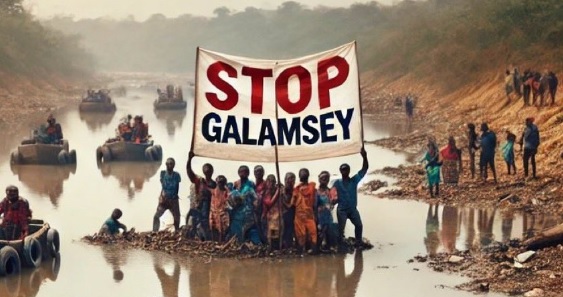
Another critical topic discussed was illegal mining, known as “galamsey,” and its detrimental effects on climate and environmental stability. These activities continue to degrade Ghana’s forests and water resources, exacerbating the climate crisis and hindering sustainable development efforts.
Jonathan also highlighted the importance of media accountability in climate policy noting that, “We are engaging the media and holding policymakers to account on all the resources that are advanced to them to implement various climate change interventions in Ghana to alleviate the plight of the poor and the vulnerable.”
KASA Ghana Initiative believes that an informed and empowered media is essential in driving transparency and ensuring that resources for climate change are appropriately used.
Reporting by Abigail Teye in Accra