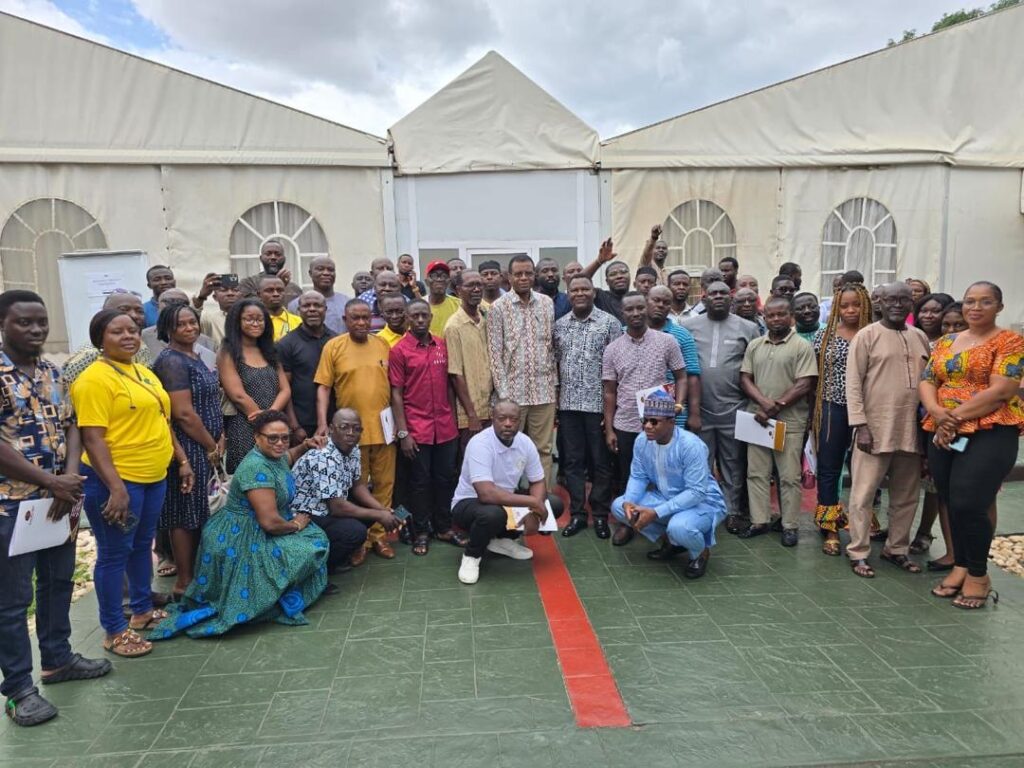
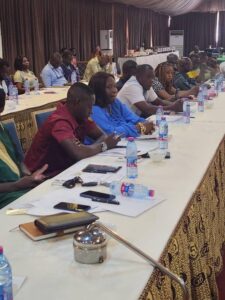
As part of ongoing consultations to review Ghana’s 2014 Minerals and Mining Policy and the Minerals and Mining Act, 2006 (Act 703), the Minerals Commission has held regional stakeholder engagements with members of the Ghana National Association of Small-Scale Miners (GNASSM). These engagements took place at the Eastern Premier Hotel in Koforidua and the Golden Bean Hotel in Kumasi.
The Minerals Commission, the government agency responsible for regulating the mining sector and advising on related policy, is leading the national review process. The engagements are aimed at incorporating input from key stakeholders, especially artisanal and small-scale miners, whose contributions to Ghana’s mining sector have become increasingly significant.
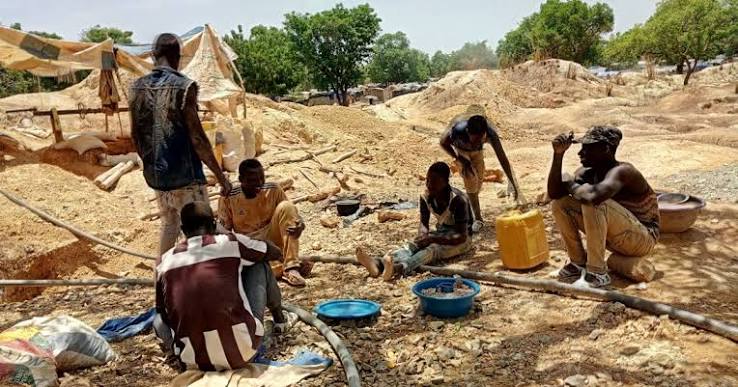
The Artisanal and Small-scale Mining (ASM) sub-sector now provides over one million direct and indirect jobs and has become a major contributor to national gold production. According to data from the Bank of Ghana and GoldBod, the ASM sector accounted for 52.1% of Ghana’s total gold exports in the first quarter of 2025, underscoring its growing economic importance.
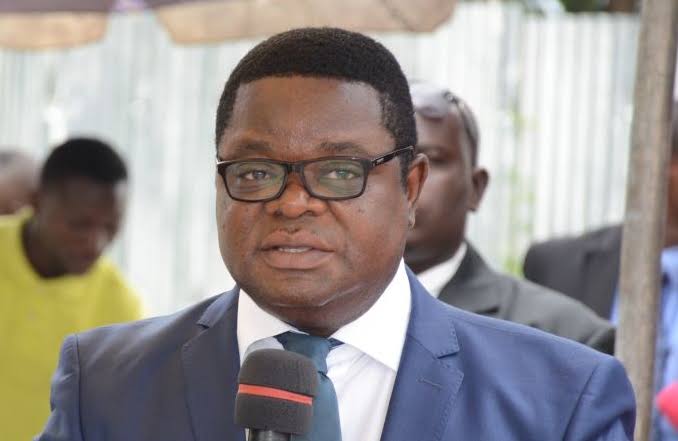
Chairing the engagement sessions, Prof. Jerry Samuel Yaw Kuma, Technical Advisor to the Minister of Lands and Natural Resources, urged GNASSM members to actively scrutinize and contribute to the proposed amendments. He emphasized the need for reforms that are both inclusive and forward-looking to support the long-term sustainability of the sector.
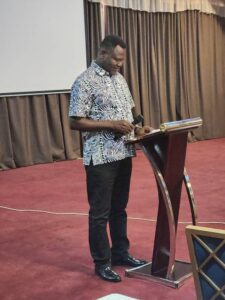
Mr. Benjamin Aryee, a key consultant on the review, presented the draft revised policy document. He highlighted the policy’s focus on addressing new global trends such as climate change, the importance of transition minerals, implementation challenges under the current policy, and the strategic role of small-scale mining in Ghana’s economy.
Following this, Mr. Josef Iroko, Manager of Legal Services at the Commission, presented proposed amendments to Act 703. Discussions during this session were robust, with GNASSM members raising a number of operational concerns.
A major issue was the persistent delay in the issuance of small-scale mining licenses. In response, Prof. Kuma assured the miners that the government is prioritizing the decentralization of license processing to the district offices of the Commission—a key reform aimed at improving access and efficiency.
GNASSM members also called for clearer qualification criteria for transitioning into the proposed mid-tier mining category. They advocated for realistic policies that allow qualified small-scale miners to scale up operations and emphasized the need for a tiered mining bond structure to accommodate different levels of financial capacity.
Gender inclusion in the sector was another major concern. The miners appealed for incentives and dedicated support structures to promote women’s participation in mining, especially in decision-making and ownership.
On environmental compliance, some miners criticized the uniform application of reclamation bond requirements. They called for a more flexible, concession-size-based model to ease the burden on smaller operators.
Legal insecurity around mining lease renewals was also highlighted. GNASSM members noted that while large-scale mining companies retain rights over their concessions during renewal processes, small-scale miners often risk losing theirs—sometimes to traditional authorities—due to bureaucratic delays. They proposed legal amendments to protect ASM leaseholders during pending renewals.
The Commission encouraged all GNASSM members to submit written recommendations through their leadership for consideration by the Mining Policy Review Committee.

Further engagements are scheduled to take place in Tamale with GNASSM members from the Upper East, Upper West, and Savannah Regions, and in Tarkwa for those from the Central, Western, and Western North Regions.
Officials in attendance at the engagements included Mr. Nelson Ahedor, Director of Small-Scale and Industrial Minerals, Dr. Ahmed Tijani, Manager of Corporate Affairs and IT, and Mr. Paul Dawson, Ashanti Regional Manager of the Commission.