Emmanuel Armah-Kofi Buah
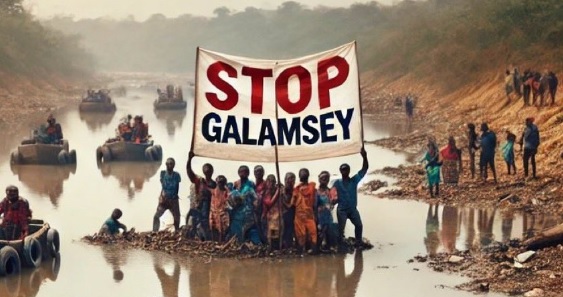
Ghana’s renewed fight against illegal mining has entered a new phase with the official deployment of the National Anti-Illegal Mining Operations Squadron (NAIMOS) to seven regions across the country.
Lands and Natural Resources Minister Emmanuel Armah-Kofi Buah confirmed the rollout during an interview on TV3’s Hot Issues with Kemini Amanor, saying the government’s strategy is to maintain a sustained presence in reclaimed mining zones to prevent illegal operators from returning.
“We already have a team in the Ankobra area preparing the ground. We’re setting up logistics, tents, and communications systems,” Mr. Buah said. “The first 400 trained personnel have been deployed, and this is only the beginning.”
According to the Minister, the seven regions identified as priority zones were chosen based on the severity of illegal mining activities, with Ankobra, Pra, Bia, and parts of the Ashanti Shelter Belt Forest Reserve listed among the critical flashpoints.
He revealed that nine forest reserves, previously overrun by illegal miners, have been successfully reclaimed through security interventions — and this time, government intends to occupy and secure these areas permanently.
“The message is clear: we are not leaving places for people to have a field day. The government is putting its money where it matters,” Mr. Buah emphasized.
To support the nationwide operation, the Ministry has procured 24 Toyota Land Cruisers and other logistics for the participating security agencies. The move is part of a broader five-pillar strategy that combines enforcement with institutional reform, community engagement, and environmental restoration.
Mr. Buah noted that while the security response is critical, government is equally focused on strengthening the legal and regulatory framework governing small-scale mining. He described current licensing practices as unfair and unsustainable, vowing to ensure that mining permits reflect local realities and environmental priorities.
“It is wrong that someone in Accra can receive a license to destroy a cocoa farm in Jomoro. We are changing that system,” he said. “Those who mine legally must do so responsibly, or their licenses will be revoked.”
The Minister admitted that the challenge remains complex, given that an estimated three million Ghanaians are engaged in small-scale mining across almost ten regions. He stressed that while enforcement is necessary, long-term solutions must address livelihoods, regulation, and accountability.
“We are under no illusion that these efforts alone can solve the problem,” he said. “But this time, the fight is real. We are staying on the ground, and we will hold people accountable.”