Northern Ghana, particularly Tamale and its surrounding areas, has long been a focal point for numerous non-governmental organizations (NGOs) dedicated to poverty alleviation, education, healthcare, and rural development.
Faced with widespread socio-economic challenges—including low literacy rates, inadequate healthcare facilities, and limited employment opportunities—the region has seen the presence of NGOs as both a beacon of hope and a subject of scrutiny.
The question remains: have these organizations truly succeeded in transforming lives, or are they merely buffering poverty without offering sustainable solutions?
The Role of NGOs in Northern Ghana
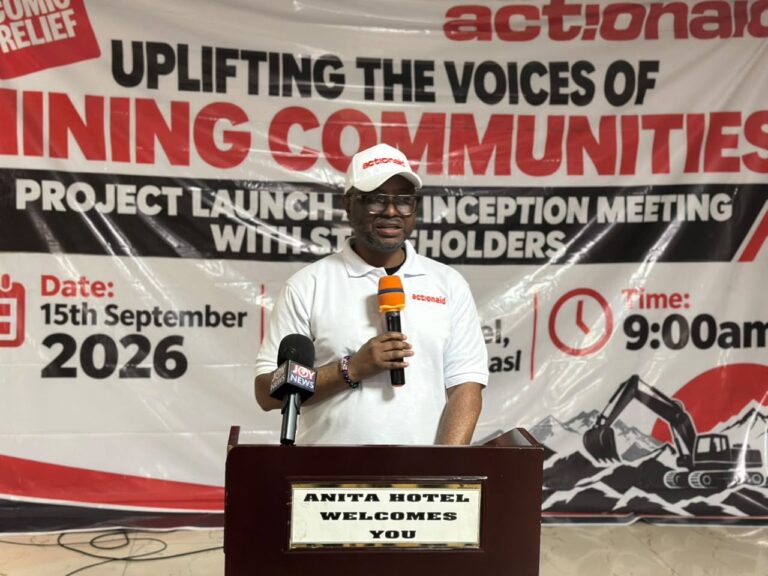
NGOs have undeniably contributed significantly to development in the northern belt of Ghana. Their efforts span across improving educational infrastructure, providing vocational training, enhancing healthcare access, and promoting women’s empowerment. Organizations such as World Vision, ActionAid, and Savannah Signatures have implemented various interventions aimed at enhancing livelihoods and reducing systemic poverty.
In education, NGOs have built schools, provided scholarships, and supported teacher training programs. For example, in the Savelugu District, World Vision has established several primary schools and distributed learning materials, ensuring children in underprivileged communities have access to quality education.
Similarly, the Campaign for Female Education (CAMFED) program has sponsored thousands of girls in the Gushegu and Karaga districts, significantly narrowing the gender gap in education.
Healthcare interventions have also made a substantial impact. In Bole, the Ghana Red Cross Society, with international donor support, has launched community-based health programs focused on maternal and child healthcare, leading to a notable reduction in infant mortality rates.
In Zabzugu-Tatale, mobile health clinics supported by UNICEF have ensured that remote communities receive basic medical care, immunizations, and maternal health services.
Agricultural development remains another key area of focus. The International Fund for Agricultural Development (IFAD) has introduced modern farming techniques, irrigation projects, and improved seed varieties in Nanumba South, leading to increased food production and improved livelihoods for farmers. Additionally, the Savannah Agricultural Research Institute (SARI) has partnered with NGOs to train farmers in Tolon-Kumbungu on climate-smart agriculture, enabling them to better adapt to changing climate conditions.
The Impact: Success Stories and Challenges
While these interventions have brought notable successes to many communities, questions remain about the sustainability of their impact. Some projects flourish while donor funds are available but struggle to maintain momentum once external support ends. Although educational enrollment has improved and child mortality has declined, persistent unemployment and economic vulnerability raise doubts about whether NGOs are addressing the root causes of poverty or merely providing temporary relief.
Critics argue that NGOs sometimes operate in isolation, leading to duplication of efforts and inefficiencies. Additionally, concerns have been raised about the alignment of some NGOs’ priorities with donor-driven agendas rather than the actual needs of the communities they serve, casting doubt on long-term effectiveness and accountability.
Would the Situation Be Worse Without NGOs?
Despite these criticisms, it is undeniable that NGOs have helped prevent deeper crises in Northern Ghana. In many cases, they have become the sole providers of essential services. Schools, boreholes, health centers, and small-scale economic empowerment programs initiated by NGOs have become lifelines for countless communities.
For example, WaterAid Ghana’s work in East Mamprusi has provided clean drinking water and improved sanitation facilities, drastically reducing waterborne diseases. In the West Gonja District, Plan International’s livelihood support programs have helped women establish small businesses, fostering financial independence and stability.
In the Upper West Region, the Ghana Developing Communities Association (GDCA) has successfully implemented the “School for Life” program—an alternative education initiative targeting out-of-school children. This program has enabled thousands of children in the Wa East and Lawra districts to acquire basic literacy and numeracy skills, with many transitioning into the formal education system.
In the Upper East Region, the Widows and Orphans Movement (WOM) has been instrumental in supporting marginalized women.
In Bawku, the NGO offers vocational training in shea butter processing, basket weaving, and small-scale trading. These programs have helped many women attain financial independence and escape the cycle of poverty.
Additionally, the Presbyterian Agricultural Services (PAS) has supported farmers in the Kassena-Nankana District with sustainable agricultural practices and access to microloans, leading to improved food security and household incomes.
The Way Forward: A Call for Sustainable Development
For NGOs to become true agents of change in Northern Ghana, their interventions must be grounded in sustainability. Communities should be equipped with the necessary skills, infrastructure, and resources to thrive independently of donor support.
There must also be a strategic shift from dependency-driven aid toward initiatives that promote economic self-reliance—such as entrepreneurship training, access to credit, and policies that support local industries.
The role of NGOs in Northern Ghana is pivotal. However, their success should not be measured solely by the number of projects executed but by the long-term transformations they inspire. With a well-coordinated approach that emphasizes community empowerment and self-sufficiency, Northern Ghana can move beyond mere survival and towards real, lasting prosperity.
By Dr. Jerome Kpan