Farmer spray the fertilizer in rice field.
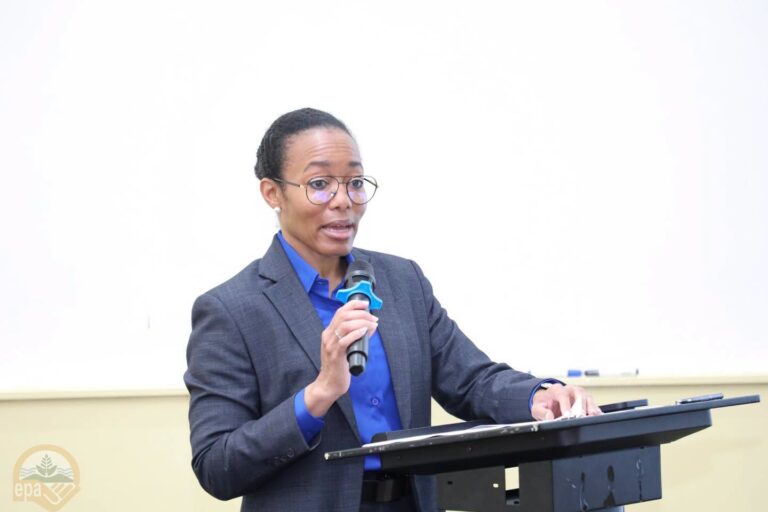
Dr. Kwadwo Owusu Boakye, a chemistry PhD researcher, is calling for stronger enforcement of fertilizer and pesticide regulations to safeguard Ghana’s food supply.
His recent studies revealed that heavy metals—including mercury, arsenic, cadmium, and lead—are appearing in staple crops such as rice, raising serious health concerns.
Boakye’s field research across northern Ghana showed that even in areas without active mining, some rice samples contained heavy metal levels above World Health Organization (WHO) and Food and Agriculture Organization (FAO) safety limits. “The risk is no longer limited to mining sites,” he warned. “These toxins may already be entering our food chain.”
In addition to regulatory action, Boakye advocates closer collaboration between farmers and research institutions. He emphasizes that educating farmers about the potential dangers of certain fertilizers and pesticides is crucial for reducing contamination.
To mitigate the threat, Boakye has also explored the use of locally available agricultural waste—such as rice husks and cocoa pods—to remediate contaminated soils. Early results show promise, offering a practical and affordable solution for farmers.
“Producing enough food is not enough if it slowly undermines health,” he stressed. “We must ensure that what we eat is safe.”