Communities in the Afadzato South District of the Volta Region are combining environmental restoration with agricultural and other livelihood activities under the fourth phase of the Community Development and Knowledge Management for the Satoyama Initiative (COMDEKS).
At Laiti Soba, a total of 38,000 seedlings have been planted towards restoring 50 hectares of degraded land, alongside the cultivation of four hectares each of rice and vegetables and 40 hectares of land under agro-farming.
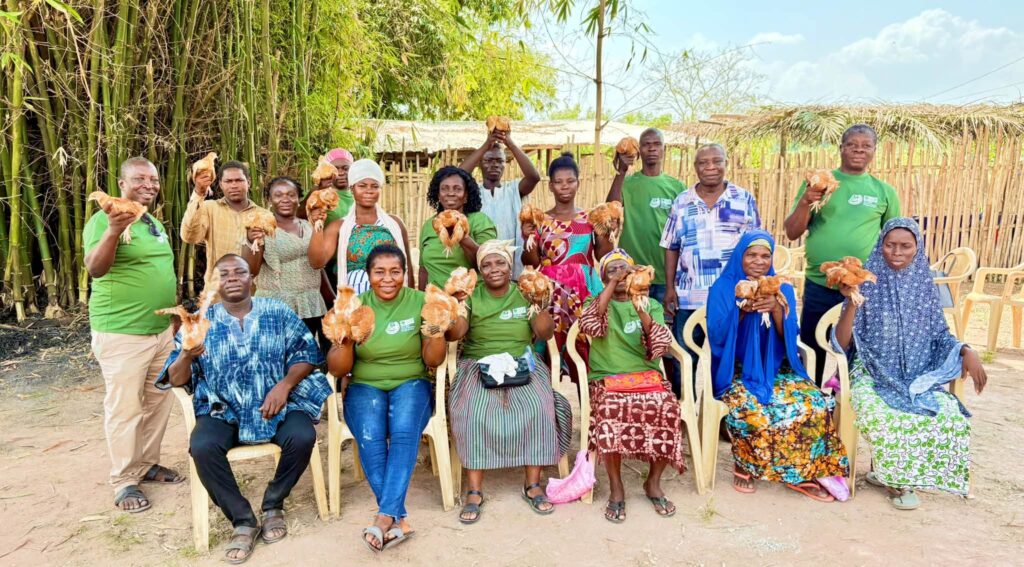
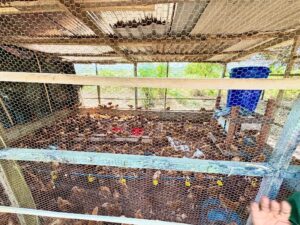
In Golokuati, livelihood interventions include fish farming involving 3,000 catfish fingerlings, poultry production involving 450 birds and the operation of a rice mill with the capacity to process 20 bags of 50-kilogramme rice daily.

The initiatives are intended to improve food security, create income-generating opportunities and support community participation in biodiversity conservation.
The activities form part of COMDEKS Phase 4, implemented under the Global Environment Facility (GEF) Small Grants Programme with support from the United Nations Development Programme (UNDP) Ghana.
A UNDP Ghana team recently undertook a field monitoring mission to Golokuati and Laiti Soba to engage beneficiaries and assess progress in environmental restoration and livelihood activities.
The programme combines efforts to restore degraded landscapes and promote biodiversity conservation with interventions aimed at improving the livelihoods of participating communities.
Through the community-led activities, the initiative seeks to demonstrate how creating sustainable economic opportunities can support local participation in environmental protection and natural resource management.